
This follows a significant reduction in maternal mortality of about 50 per cent, from 1,206 to 570 cases over the last 18 months.
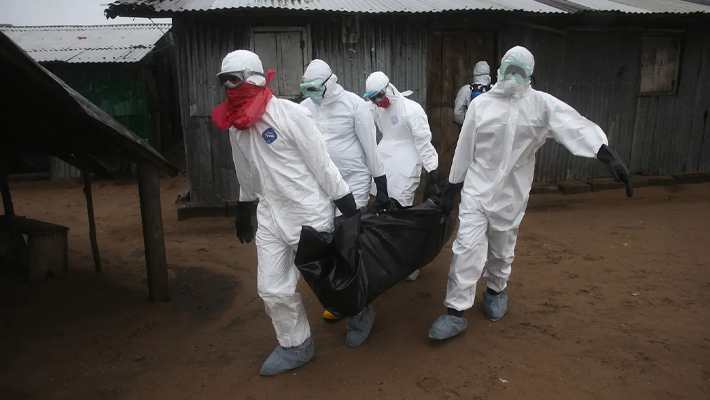
A much smaller number of cases have been reported in Uganda and experts warn of the possibility of it spreading to other neighbours such as South Sudan.
She described the project as a major step toward protecting women from one of the most preventable cancers.

The agency announced that trials of the Bundibugyo Ebola virus strain would begin this week in Bunia.
The acting CEO of NIPHID, Dalhatu Aminu, says the proposed establishment bill will strengthen, rather than duplicate, Nigeria’s public health security system.

In a statement on Tuesday, the hospital said the donation aimed to support neonatal care, clinical education, and data management within the Department of Paediatrics.

He said the centre would provide specialised treatment, research and training.

Mr Ipadeola said the interventions were strengthening early detection, protecting healthcare workers and helping communities respond more effectively to outbreaks.
Mr Ahmad, on Monday, said that the practice could lead to organ failure, drug addiction and sudden death.
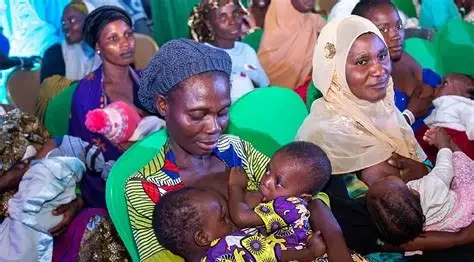
The Centre for Communication and Social Impact, through the Faith and Cultural Champions Project, has intensified efforts to reduce maternal and newborn mortality in Kaduna.


