

U.S. lawmakers write Justice Department to reopen corruption probe into Shell-Eni after Peoples Gazette’s story on Tinubu family’s OPL 245 deal

Members of the United States Congress have demanded the re-opening of a corruption inquiry into Shell and Eni after Nigeria’s President Bola Tinubu restored the ownership of OPL 245 to the European oil giants.
Two lawmakers, Maxine Waters and Joyce Beatty, urged the U.S. Department of Justice (DOJ) to investigate how the firms violated the country’s Foreign Corrupt Practices Act by following up on Peoples Gazette’s story earlier this year, which exposed how Mr Tinubu negotiated a deal with the oil firms that would see them transfer lucrative assets to Oando Plc, a hitherto struggling oil firm run by his nephew Wale Tinubu.
The lawmakers of financial services and national security committees emphasised that U.S. law also prohibits citizens and entities from bribing foreign government officials to benefit their business interests.
“We write to urge the Department of Justice (DOJ) to reopen a Foreign Corrupt Practices Act (FCPA) investigation into Shell and Eni regarding their 2011 purchase of the rights to Oil Prospecting License (OPL) 245, one of Nigeria’s most lucrative oilfields. Available evidence implicates both companies in a scheme that resulted in the payment of $1.1 billion in bribes to Nigerian government officials, including then-President Goodluck Jonathan,” the lawmakers said in a May 8, 2024, letter to Attorney-General Merrick Garland (PDF).
The lawmakers said estimated losses from the controversial 2011 deal had been placed at over $6 billion, well above Nigeria’s annual health and education budget.
The lawmakers acknowledged awareness of the recent stall in foreign arbitration proceedings over the matter, referencing The Gazette’s story published on January 31.
“Eni’s legal challenge, filed at the International Centre for Settlement of Investor Disputes (ICSID) and based upon the corruptly acquired prospecting license and related Resolution Agreement, as well as the use of the original contract in arbitration proceedings, constitutes further violation of the FCPA.
“The ICSID proceedings are currently suspended until May 23, 2024, with the agreement of the parties, suggesting that a settlement is being negotiated. Allegations have been made in the Nigerian press of further corruption relating to a settlement,” the lawmakers said.
“Shell and Eni, both registered with the U.S. Securities and Exchange Commission (SEC), continue to profit from the deal in violation of the FCPA.
“The reopening of this case would further illustrate the U.S.’ commitment to ‘aggressively pursue foreign bribery cases,’ as stated in the U.S. Strategy on Countering Corruption and reaffirm its pledge to fully implement the OECD Anti-Bribery Convention.
“We urge you to leverage this potent anti-corruption law to address the issues in this case and to send a powerful message that the United States stands vigilant in its pursuit of corporate crime around the globe,” they added.
A spokesperson for the DOJ did not immediately return a request seeking comments on the lawmakers’ letter. Nigerian presidential spokespersons also declined comments on Thursday afternoon.
The Gazette’s story detailed how Mr Tinubu controversially moved to restore the oil block to Shell and Eni after a secret deal that saw Eni transfer its Nigerian onshore assets to Oando.
The deal was finalised at different meetings in London and Paris. It allowed Nigeria to withdraw all existing cases against Shell and Eni from international tribunals and let both firms take back control of OPL 245 based on the tainted old contract under Goodluck Jonathan without fresh privileges to Nigeria.
Petroleum minister Heineken Lokpobiri quickly attacked The Gazette’s story as “unpatriotic“, saying the deal was being negotiated in Nigeria’s best interest.
Eni also denied any violations in its discussion with the Tinubu administration to retake control of the lucrative oil field offshore Nigerian waters.
A year into his administration, Mr Tinubu has continued to draw corruption controversies. Earlier this week, the government admitted awarding a massive infrastructure contract to a firm controlled by the president’s son Seyi and his longtime ally and convicted money launderer Gilbert Chagoury.

We have recently deactivated our website's comment provider in favour of other channels of distribution and commentary. We encourage you to join the conversation on our stories via our Facebook, Twitter and other social media pages.

More from Peoples Gazette

States
Independence: NBA urges Nigerians to expect better future
The NBA said that ordinary Nigerians should be deriving benefit from the subsidy removal rather than hardship.

Agriculture
FG tasks ECOWAS on leveraging financing strategies for agroecology
The federal government has urged stakeholders in the agriculture and finance sectors in the West Africa region to leverage financing strategies to enhance agroecology practices

Politics
Katsina youths pledge to deliver over 2 million votes to Atiku
“Katsina State is Atiku’s political base because it is his second home.”

Politics
Tinubu’s door-to-door movement suspends campaign over plane crash
The President Bola Tinubu Door-to-Door Movement has suspended its campaign activities for one week following the killing of military operatives in an aircraft crash.
States
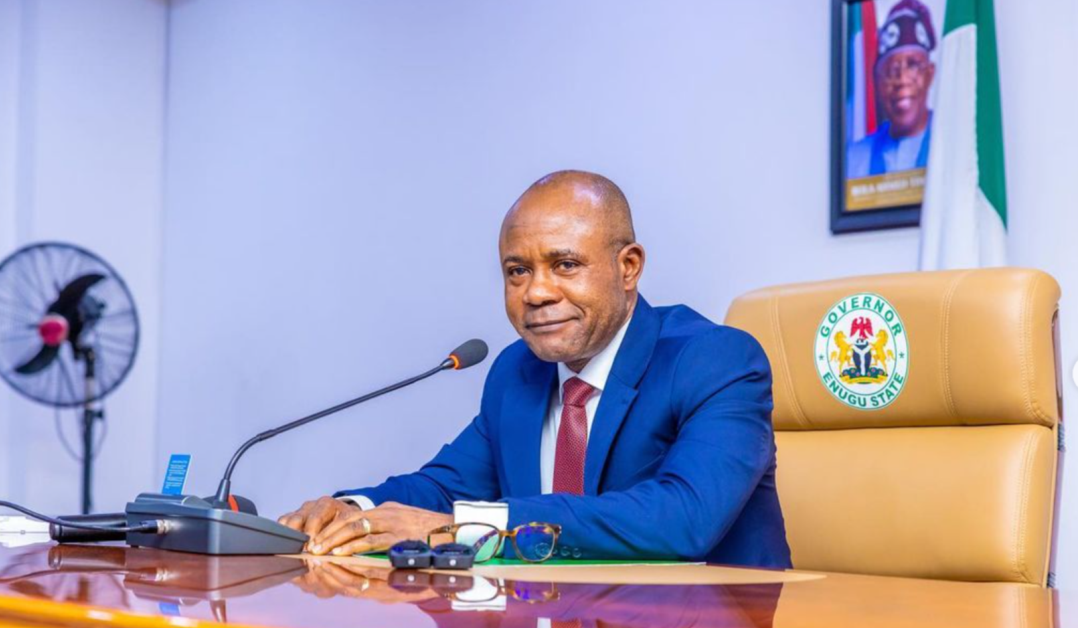
Gov Mbah appoints Richard Agu as transport commissioner
Mr Ozor resigned after an alleged Economic and Financial Crimes Commission probe into embezzlement of billions of naira.
Lagos
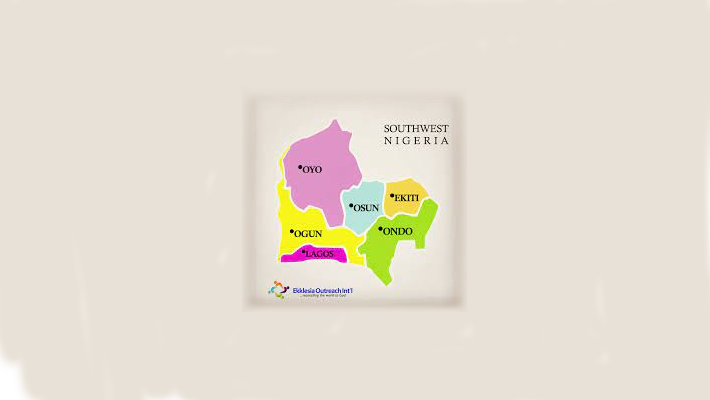
Yoruba leaders establish platform for unity, collective action
Yoruba leaders across socio-political and advocacy groups have established Yoruba Parapo as a central platform for unity, consultation and collective action.

Politics
Gov Idris buys house to relocate mosque in Malami’s Birnin Kebbi community
Governor Nasir Idris approved the purchase of a building to relocate a temporary mosque in the Go-Slow Road area of Birnin Kebbi, a community near Abubakar Malami’s family house.

States
Aguleri-Anam Violence: Soludo orders ceasefire, sets up inquiry commission
On Friday, the Anambra government ordered the closure of Otuocha Market after a clash between Aguleri and Umuoba-Anam communities, which resulted in five deaths.

States
Kebbi: ADC reps, state assembly candidates defect to APC
Welcoming the defectors at Government House, Birnin Kebbi, on Wednesday, Mr Idris described their action as a very wise decision.


