

U.S. urges Nigeria to harness technology to strengthen security

The U.S. Embassy in Nigeria has urged the federal government to harness the power of technology to strengthen its security framework and build a safer, more resilient Nigeria.
Bradley Markwald, the embassy’s senior regional security officer, said this at the 2024 Annual General Meeting of ASIS International, Chapter 273, in Abuja on Tuesday.
Mr Markwald noted that with Nigeria’s vast population, rich resources, and extensive geographic expanse, safeguarding national security presents complex challenges and unique opportunities.
“By incorporating satellite-based imagery from platforms like the NigeriaSat-X and the European Space Agency’s Copernicus programme, we can monitor vast swathes of land, borders, and critical infrastructure in real-time.
“Drones, or Unmanned Aerial Vehicles, equipped with thermal imaging and Al-powered tracking software, can be deployed for surveillance in remote areas, providing intelligence on movements and activities of potential security threats.
“The integration of sensor networks along Nigeria’s borders, highways, and ports could offer a proactive approach to security by detecting unusual activity such as unauthorised vehicle movements or crossing of borders in real-time,” Mr Markwald said.
He added that technologies like Internet of Things (IoT) sensors could alert authorities to possible incursions or natural disasters that may threaten national security.
According to him, these tools would not only enhance defensive posture but also help keep Nigerian citizens and businesses safer by enabling timely interventions.
The security expert also called for modernising border control, adding that effective border control was essential to Nigeria’s national security strategy and that technology could significantly improve this area.
Mr Markwald said that the United Arab Emirates had implemented an eGate system that employs facial and fingerprint recognition to streamline immigration while enhancing security.
He added that for Nigeria, adopting cost-effective solutions like Suprema ID’s BioMini Slim 3 fingerprint scanners could make a significant difference.
(NAN)

We have recently deactivated our website's comment provider in favour of other channels of distribution and commentary. We encourage you to join the conversation on our stories via our Facebook, Twitter and other social media pages.

More from Peoples Gazette

States
Independence: NBA urges Nigerians to expect better future
The NBA said that ordinary Nigerians should be deriving benefit from the subsidy removal rather than hardship.

Agriculture
FG tasks ECOWAS on leveraging financing strategies for agroecology
The federal government has urged stakeholders in the agriculture and finance sectors in the West Africa region to leverage financing strategies to enhance agroecology practices

Politics
Katsina youths pledge to deliver over 2 million votes to Atiku
“Katsina State is Atiku’s political base because it is his second home.”

Heading 1
Tinubu cajoling Nigerians with money, luxury cars after ruining economy, stealing public funds, ADC alleges
The party said President Bola Tinubu has failed Nigerians.

NationWide
Court rejects IG’s bench warrant request against journalist Fisayo Soyombo in Orelope-Adefulire’s cyberstalking suit
The judge noted that since the journalist had not been brought before the court previously, issuing a bench warrant was impossible.
Africa
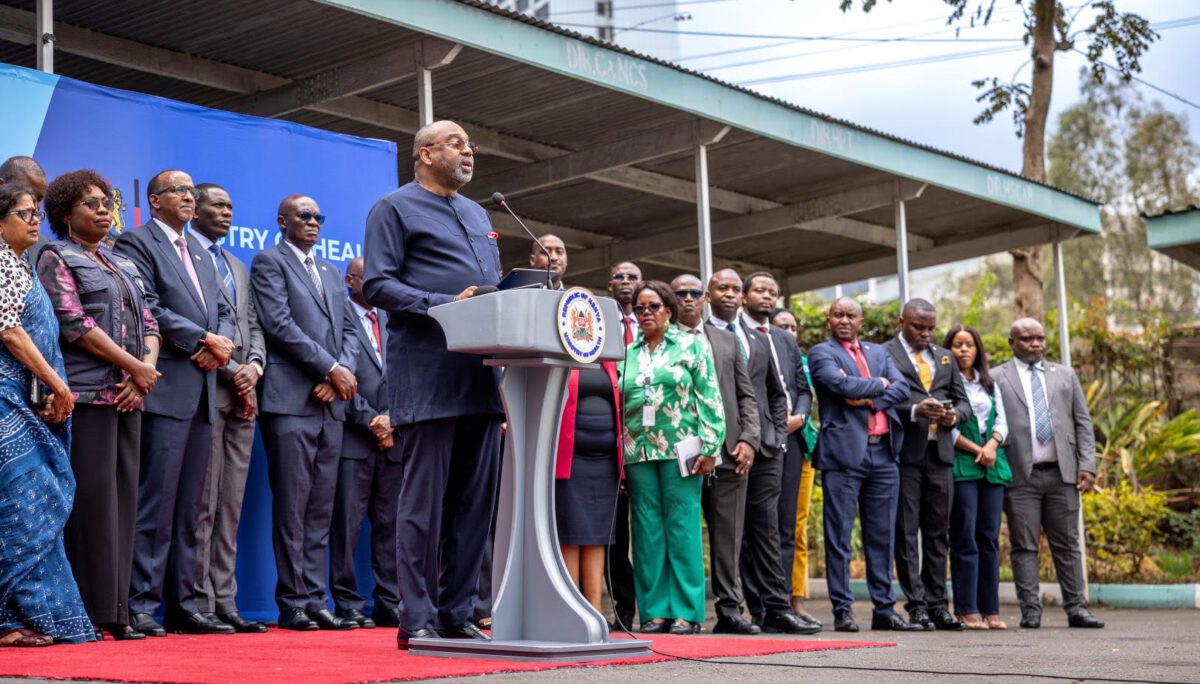
Kenya discharges last Ebola patient, begins 42-day countdown to end outbreak
Kenya confirmed its first case of Bundibugyo virus disease on October 6, 2026.
Health
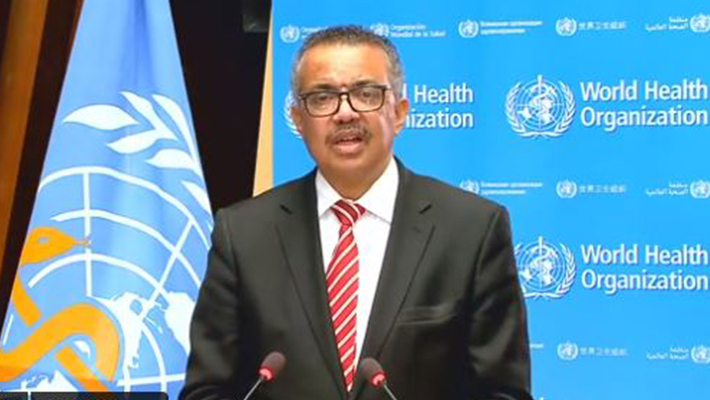
WHO identifies critical gaps in Africa’s health information systems
The World Health Organisation has revealed critical gaps in Africa’s health information systems.
Heading 2
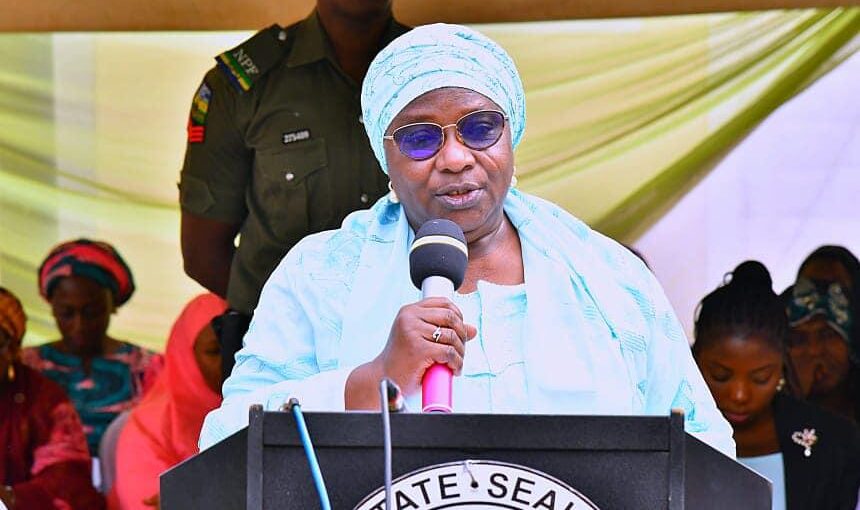
Uba Sani eulogies deputy’s late father at three-day prayer
Mr Sani stated, “His death will affect not only his immediate family but all of us who have come to regard him as our father.”
World
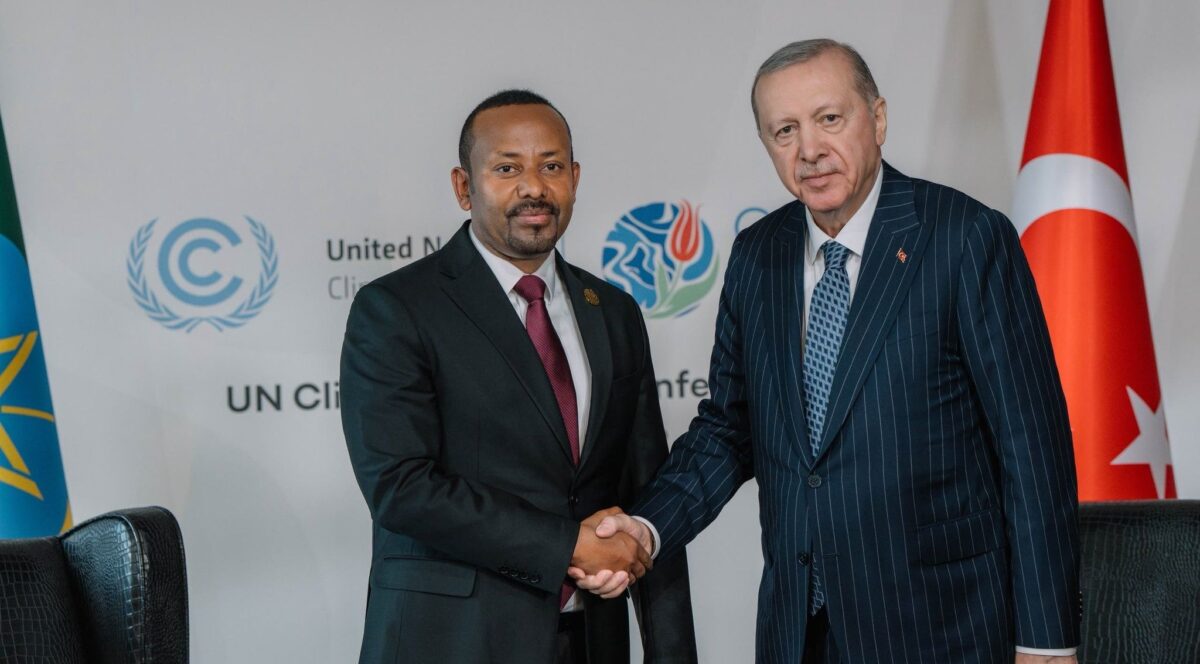
Ethiopian, Turkish presidents explore ways to strengthen bilateral ties ahead of COP32
The leaders explored ways to deepen cooperation between their countries, building on their existing partnership and shared priorities.


