

Ugandan lawmakers pass law to whittle down foreign influence

Uganda’s parliament passed legislation to curb alleged foreign influence after scaling back proposed restrictions on funding from abroad that the central bank governor said risked “economic disaster.”
The proposal, entitled “The Protection of Sovereignty Bill,” was adopted on Tuesday and now awaits the signature of President Yoweri Museveni.
Museveni, who has been in power since 1986, and allies in the ruling party regularly decry outside influence in Uganda, accusing domestic political rivals of receiving funding from abroad and pushing foreign agendas such as LGBTQ rights.
Several Ugandan opposition parties have traditionally received some of their funding from outside the country.
The law, which calls for penalties of up to 10 years in prison for violations of its terms, bans anyone working on behalf of foreign interests from developing or implementing policy without the approval of the government.
It also criminalises the promotion of the “interests of a foreigner against the interests of Uganda.”
Rights groups have said that such broad language would allow the government to criminalise just about any form of political opposition.
The government has accused critics of exaggerating the bill’s impact.
The final legislation, however, softened earlier language that had drawn concern from economic actors.
For example, a provision requiring any Ugandan receiving money from abroad to register as a foreign agent and disclose incoming funds was amended to apply only to people receiving funds for political purposes that advance foreign interests.
Remittances from Ugandans living abroad are a important source of foreign exchange for the east Africa nation.
The Central Bank Governor Michael Atingi-Ego warned last week that the legislation would diminish financial flows into the country and risk running down foreign exchange reserves a situation his called “economic disaster for our country.”
The World Bank also said last month that the bill could expose to criminal liability a broad range of its “routine development activities,’’ including meetings in which alternative policy ideas are discussed.
It was not immediately clear to what extent parliament’s amendments had addressed those concerns.
The World Bank halted new lending to Uganda in 2023 after the government enacted a harsh anti-homosexuality law but resumed funding two years later after authorities agreed to some compromises.
(Reuters/NAN)

We have recently deactivated our website's comment provider in favour of other channels of distribution and commentary. We encourage you to join the conversation on our stories via our Facebook, Twitter and other social media pages.

More from Peoples Gazette

States
Independence: NBA urges Nigerians to expect better future
The NBA said that ordinary Nigerians should be deriving benefit from the subsidy removal rather than hardship.

Agriculture
FG tasks ECOWAS on leveraging financing strategies for agroecology
The federal government has urged stakeholders in the agriculture and finance sectors in the West Africa region to leverage financing strategies to enhance agroecology practices

Politics
Katsina youths pledge to deliver over 2 million votes to Atiku
“Katsina State is Atiku’s political base because it is his second home.”
Uncategorized
TCN restores Kainji-Birnin Kebbi 330kV transmission line
The company said power went off in the affected areas on September 7.
States
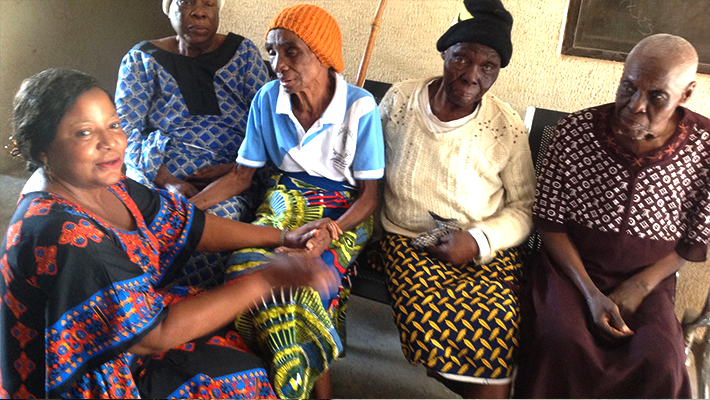
Group seeks better healthcare, social support for elderly Nigerians
Mr Oluwadamilare said growing old in Nigeria was becoming increasingly difficult due to economic hardship.
States
INEC urges Sokoto voters to maintain confidence in electoral process
INEC reminded registered voters that collection of Permanent Voter Cards (PVCs) would begin on October 9.
States
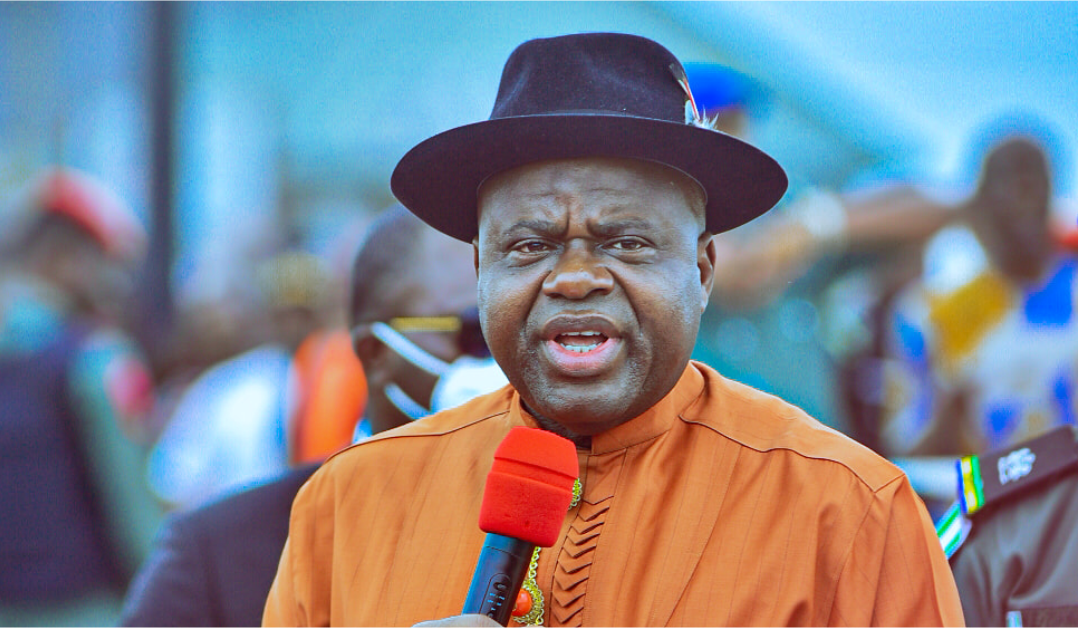
Bayelsa governor urges Nigerians to renew commitment to unity, development
The governor congratulated the people of Bayelsa at home and abroad.
NationWide
Dangote Foundation gives Nigerian students free shares to build new generation of investors
The initiative forms part of ADF’s broader commitment to empowering young Nigerians.

States
Police, security agencies launch operation to rescue abducted corps members in Imo
The incident occurred on Thursday at about 6:30 p.m. along the Owerri-Onitsha Road, near Umunoha.


