

UK sanctions Russia for 18 months, targets African mercenary groups

The British government said on Thursday it has imposed its biggest sanctions package against Russia for 18 months, targeting people involved in the Ukraine war, African mercenary groups, and a nerve agent attack on British soil.
The foreign ministry said it sanctioned 56 bodies and individuals, aiming to hurt Russian President Vladimir Putin’s war effort and Russia’s “malign activity globally.”
Among them were 10 entities based in China said to be supplying machinery and components for the Russian military.
“Today’s measures will continue to push back on the Kremlin’s corrosive foreign policy, undermining Russia’s attempts to foster instability across Africa and disrupting the supply of vital equipment for Putin’s war machine,” British foreign minister David Lammy said.
The Russian embassy in London did not immediately respond to a request for a comment.
Most of the measures were aimed at companies based in Russia, China, Turkey, and Kazakhstan accused of aiding the Russian invasion of Ukraine with the supply of machine tools, microelectronics, and components for drones.
They include firms that European intelligence sources believe to be part of a Russian attempt to establish a weapons programme in China, according to a Reuters report in September.
Britain also said the latest sanctions would address Russian activity in Libya, Mali, and the Central African Republic by targeting three private mercenary groups with links to the Kremlin, including the Kremlin-controlled Africa Corps, and 11 individuals.
Amongst the individuals sanctioned was Denis Sergeev, whom British police have charged with the murder attempt on former Russian double agent Sergei Skripal and his daughter Yulia in the southern English city of Salisbury in March 2018.
Mr Sergeev, who Britain said was acting under the alias Sergey Fedotov, was one of three Russians said by Britain to have been GRU military intelligence officers suspected of carrying out the attack.
Last month, a public inquiry into the death of a woman who was accidentally poisoned by the nerve agent heard that Skripal believed Mr Putin himself ordered the Novichok attack.
Moscow has repeatedly rejected British accusations that it was involved.
(Reuters/NAN)

We have recently deactivated our website's comment provider in favour of other channels of distribution and commentary. We encourage you to join the conversation on our stories via our Facebook, Twitter and other social media pages.

More from Peoples Gazette

Agriculture
FG tasks ECOWAS on leveraging financing strategies for agroecology
The federal government has urged stakeholders in the agriculture and finance sectors in the West Africa region to leverage financing strategies to enhance agroecology practices

Politics
Katsina youths pledge to deliver over 2 million votes to Atiku
“Katsina State is Atiku’s political base because it is his second home.”
World
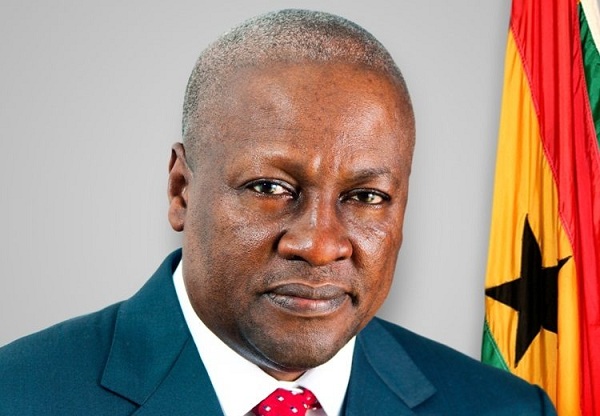
Mahama holds trade partnerships, economic cooperation meeting with world leaders
Mr Ruto commended Mr Mahama for spearheading the Accra reset agenda.

Economy
Court allows Trump admin to exchange land with Musk’s SpaceX in Texas
A U.S. federal court has approved a land exchange between the Fish and Wildlife Service and SpaceX in South Texas.

Abuja
TCN announces six-hour power outage in parts of Abuja
The Transmission Company of Nigeria has announced a six-hour planned power outage in parts of Abuja on Wednesday.
States
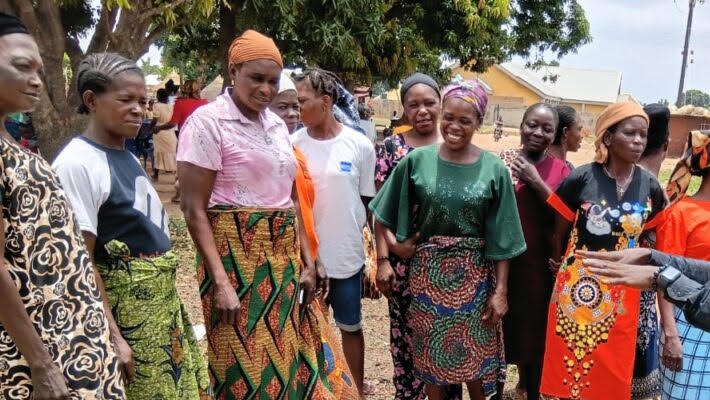
Benue stakeholders fine-tune action plan to boost women’s security
Stakeholders have fine-tuned a new Benue ‘Action Plan for Women, Peace and Security’ to enhance the security and well-being of women, youth and children.

States
Carpenter jailed 12 months for stealing phone in Benue
The magistrate also ordered the convict to pay N210,000 compensation to the owner of the phone.
Health
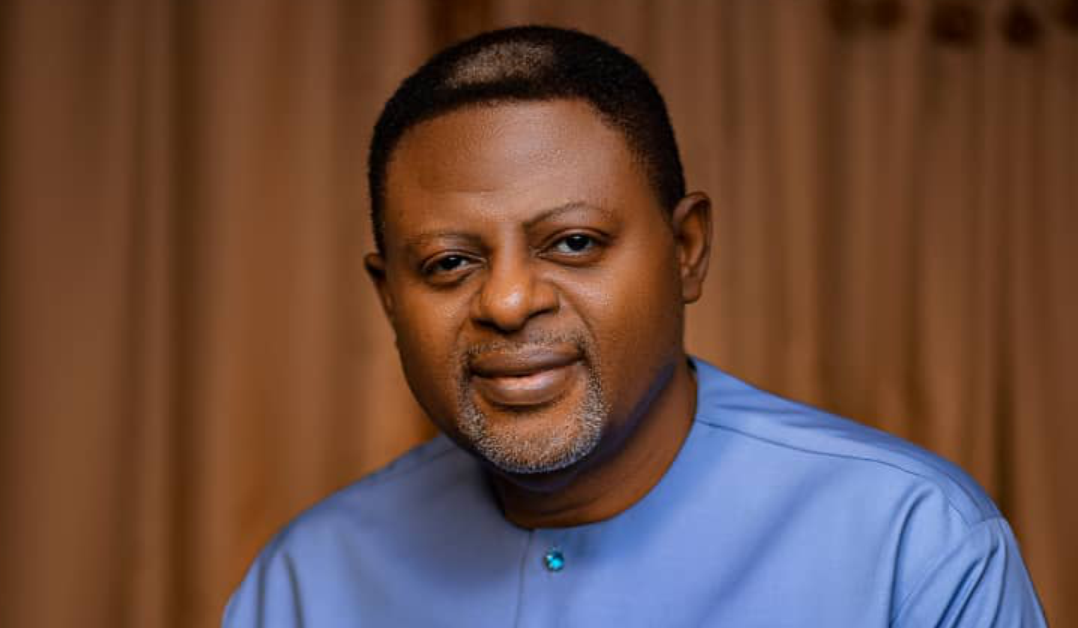
Cross River pledges support for healthcare workers
The Cross River government has reaffirmed its commitment to improving healthcare delivery and the welfare of medical doctors and other health professionals.


