

UN begins new initiative to measure Africa’s GDP
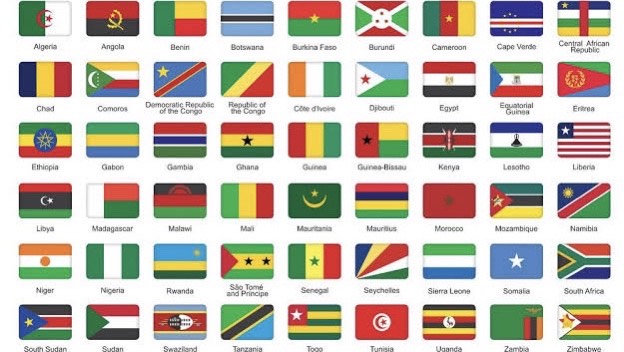
A new initiative by the United Nations Economic Commission for Africa (ECA) is supporting African cities to measure their GDP, a vital economic well-being indicator.
This is contained in a statement on Thursday.
The GDP estimates, the ECA said, would enable a more accurate understanding of the economic weight and performance of cities as well as the design of tailored measures to unlock their full potential.
The figures will further help identify priority policy interventions to attract investors, improve competitiveness and strengthen productive economic sectors in cities.
Presenting the initiative to the inaugural meeting of a regional technical working group, Edlam Yemeru, ECA’s director for the Gender, Poverty and Social Policy Division, said, “City GDP, in spite of its immense contribution to national economies, has hardly been measured in Africa consistently to inform policy targeting and investment decisions.”
ECA plans to ensure city GDP estimations are conducted regularly across the region to access and harness the economic potential and performance of African cities.
”The establishment of the regional technical working group is of crucial significance in realising these aspirations,” noted the organisation.
The technical working group members would meet regularly to advise on a regional guideline on city GDP estimation in Africa and a roadmap to institutionalise the practice.
This would be done while exchanging ideas, solutions and findings at the local, national and continental levels. The regional guideline, in particular, would be used as a main capacity-building tool to support more African cities in conducting their GDP estimates.
According to the statement, findings from the pilot initiative for the first time showed that between 2015 and 2020, Harare accounted for an average of 38 per cent of Zimbabwe’s GDP, while Accra and Yaoundé’s contributions in Ghana and Cameroon were 36 per cent and 15.7 per cent respectively.
The regional technical working group comprises experts from various organisations, including the UN-Habitat, the African Union, the United Cities and Local Governments of Africa (UCLG-Africa), the Sahel and West Africa Club of the Organisation for Economic Co-operation and Development.
Others are the United Nations Capital Development Fund, the World Resources Institute, the Cities Alliance, the Gauteng City-Region Observatory and the Islamic Development Bank.
(NAN)

We have recently deactivated our website's comment provider in favour of other channels of distribution and commentary. We encourage you to join the conversation on our stories via our Facebook, Twitter and other social media pages.

More from Peoples Gazette

Agriculture
FG tasks ECOWAS on leveraging financing strategies for agroecology
The federal government has urged stakeholders in the agriculture and finance sectors in the West Africa region to leverage financing strategies to enhance agroecology practices

Politics
Katsina youths pledge to deliver over 2 million votes to Atiku
“Katsina State is Atiku’s political base because it is his second home.”
Heading 3
FG, states, LGs shared N2.550 trillion June revenue: FAAC
Mr Mokwa said the revenue was shared at the July meeting of the committee.

Heading 2
14-year-old boy charged with terror offences targeting London mosques
The boy was arrested on 9 July on suspicion of criminal damage to a vehicle.

States
Delta content creator arrested after alleged rape victim dies by suicide
According to the victim, Mr Ogbonna initially demanded sex in exchange for financial help.
Heading 1
73 million children immunised in lower-income countries despite conflict, hesitancy, says Gavi Vaccine Alliance
The organisation identified Sudan as the country with the greatest progress.

Heading 5
SCRAMP: Lagos begins documentation of informal urban spaces
Mr Olayinka urged residents and stakeholders to cooperate with the exercise.

States
Police nab three over alleged kidnapping of herders in Osun, recover ransom
The police boss said all the suspects would be charged to court after the completion of investigations.


