

UN chief urges countries to honour commitments of indigenous peoples
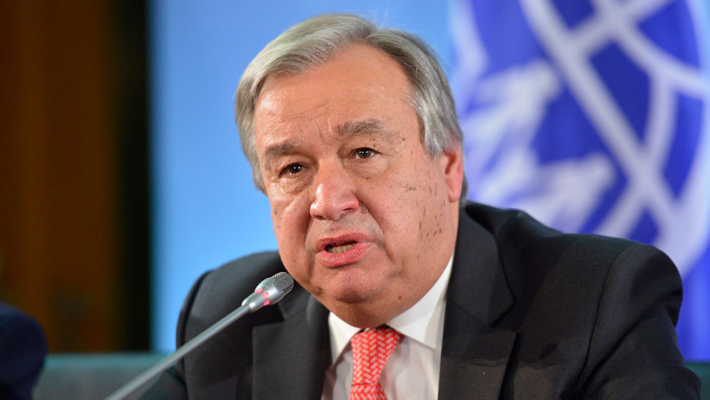
UN secretary-general Antonio Guterres has called on member states to honour their commitments under the Declaration on the Rights of Indigenous Peoples.
Mr Guterres made the call at the opening of the 25th session of the Permanent Forum on Indigenous Issues on Monday at the UN headquarters in New York.
No fewer than 1,000 participants are attending the latest session of UNPFII – the platform that has placed their concerns at the centre of international debate over the past 25 years.
“From the Amazon to Australia, and Africa to the Arctic, you are the great guardians of nature, a living library of biodiversity conservation, and champions of climate action,” Mr Guterres said.
According to him, the UN system and member states must ensure the full, meaningful, and direct participation of indigenous peoples at all levels, supported by adequate and sustained financing.
He called for societies everywhere to take immediate and concrete steps to protect indigenous peoples, their leaders, and human rights defenders – and to address the violence and risks they face.
The final area for action is to ensure that indigenous women and girls can participate meaningfully in decisions that affect their lives, as “their knowledge, leadership, and perspectives must shape the way forward”.
The secretary-general also underscored how their rights were inseparable from their lands, waters, languages, cultures, and ecosystems, stressing that when one is harmed, all are affected.
“This is especially true in the context of conflict, when displacement from ancestral lands, loss of livelihoods, food insecurity, destruction of sacred sites, and disruption of cultural traditions can put health at risk,” he said.
The secretary-general acknowledged indigenous peoples as “bearers of cultures, knowledge, and ways of life that have sustained humanity for thousands of years”.
Delegates – many wearing traditional clothing – convened in the General Assembly Hall where an Inuit leader from Canada, Aluki Kotierk, was re-elected chair of the forum by acclamation.
Although indigenous people make up six per cent of the global population, they account for nearly 19 per cent of those living in extreme poverty.
Communities still encounter discrimination, marginalisation and exclusion, and she highlighted the health inequities they face.
Regardless of where in the world they live, indigenous peoples experienced shorter life expectancy, increased likelihood of chronic illnesses and alarming suicide rates, she said.
“The degradation of indigenous peoples’ lands, territories, and waters directly contributes to these poor health outcomes,” she added, with communities reporting issues such as mercury contamination and climate change impacts.
(NAN)

We have recently deactivated our website's comment provider in favour of other channels of distribution and commentary. We encourage you to join the conversation on our stories via our Facebook, Twitter and other social media pages.

More from Peoples Gazette

States
Independence: NBA urges Nigerians to expect better future
The NBA said that ordinary Nigerians should be deriving benefit from the subsidy removal rather than hardship.

Agriculture
FG tasks ECOWAS on leveraging financing strategies for agroecology
The federal government has urged stakeholders in the agriculture and finance sectors in the West Africa region to leverage financing strategies to enhance agroecology practices

Politics
Katsina youths pledge to deliver over 2 million votes to Atiku
“Katsina State is Atiku’s political base because it is his second home.”
Heading 4
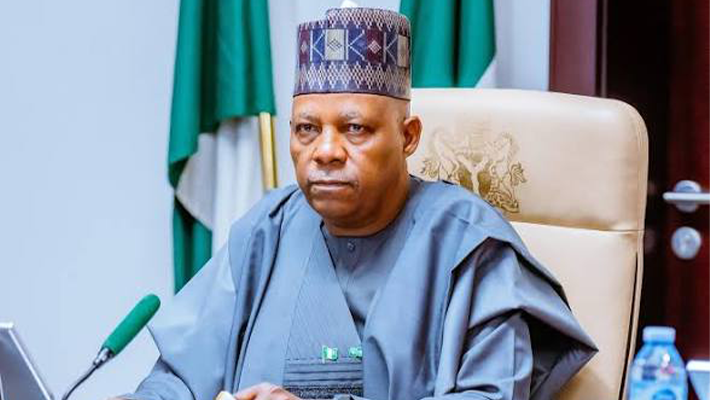
Shettima urges statisticians to strengthen Nigeria’s data systems
Mr Shettima said credible statistics were essential for effective governance and economic planning.

Heading 1
19 injured in minibus collision with train in France
The minibus was conveying truck drivers.

Heading 5
Sokoto: Customs confiscate truckload of contraband worth N722 million
He urged Nigerians to support the NCS by providing credible information that could help eradicate smuggling.
Heading 3
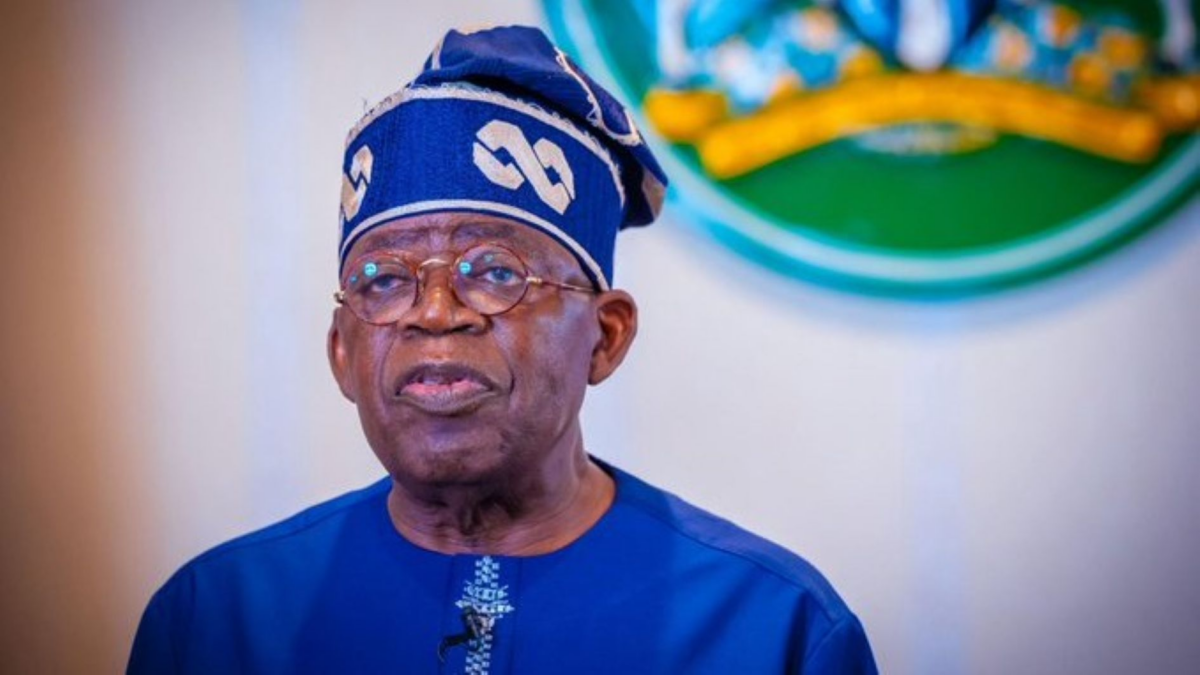
2027: Tinubu directs security chiefs to rescue abducted Nigerians, crush terrorists
Mr Musa said Mr Tinubu also stressed the need for free, fair and credible elections.
Heading 2
INEC decries exclusion of PWDs from elective positions in Akwa Ibom
Mr Onuoha said the commission would hold a sensitisation programme for persons with disabilities on Friday in Uyo.
World
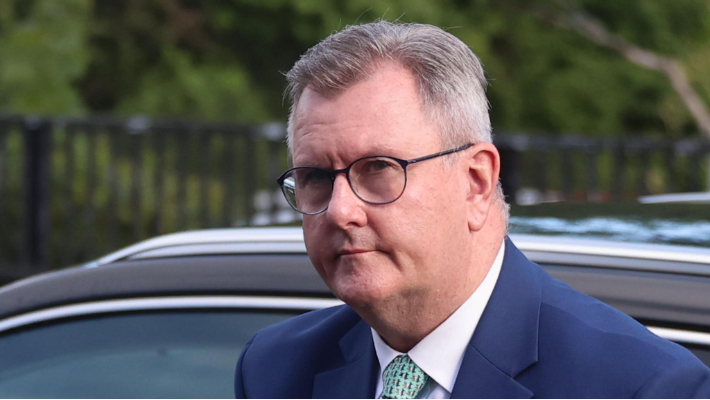
UK court sentences Irish lawmaker Jeffrey Donaldson to 15 years in prison for raping children
One of the women described the rape as “the worst moment of her life”.


