

UN tasks South African government on ending torture

United Nations experts on torture prevention have urged South African government to swiftly pass legislation establishing a national watchdog to conduct routine inspections of prisons, detention facilities, and other facilities to put an end to torture in the country
The call came at the conclusion of the Subcommittee on Prevention of Torture SPT’s first visit to South Africa, which took place from February 26 to March 9.
In 2019, South Africa ratified the Optional Protocol to the Convention Against Torture.
“There is an urgent need for South Africa to fully establish a national preventive mechanism, according to the commitment it made four years ago and in full compliance with the Optional Protocol,” SPT head of delegation, Abdallah Ounnir, said.
In order to prevent torture and other forms of ill-treatment in the nation, Mr Ounnir explained that the national preventive mechanism should have a completely independent monitoring body with the authority to visit all places of detention.
The delegation criticised the nation’s response to crime and noted that the overuse of liberty deprivation across sectors, including prisons, police stations, immigration facilities, mental health facilities, and drug treatment centres, reflects a de facto punitive approach rather than a rehabilitative one.
“The high number of remand detainees and overcrowding in detention places reflect deficiencies in the criminal justice system and the judiciary. The delegation received allegations of corruption within facilities. We also observed entrenched inhuman practices, ill-treatment, and poor detention conditions,” Mr Ounnir added.

We have recently deactivated our website's comment provider in favour of other channels of distribution and commentary. We encourage you to join the conversation on our stories via our Facebook, Twitter and other social media pages.

More from Peoples Gazette

States
Independence: NBA urges Nigerians to expect better future
The NBA said that ordinary Nigerians should be deriving benefit from the subsidy removal rather than hardship.

Agriculture
FG tasks ECOWAS on leveraging financing strategies for agroecology
The federal government has urged stakeholders in the agriculture and finance sectors in the West Africa region to leverage financing strategies to enhance agroecology practices

Politics
Katsina youths pledge to deliver over 2 million votes to Atiku
“Katsina State is Atiku’s political base because it is his second home.”
Anti-Corruption
Alleged $1Billion Fraud: Court acquits Aliyu Abubakar, Malabu Oil
The judge stated that the EFCC failed to discharge the responsibility placed on it,
States
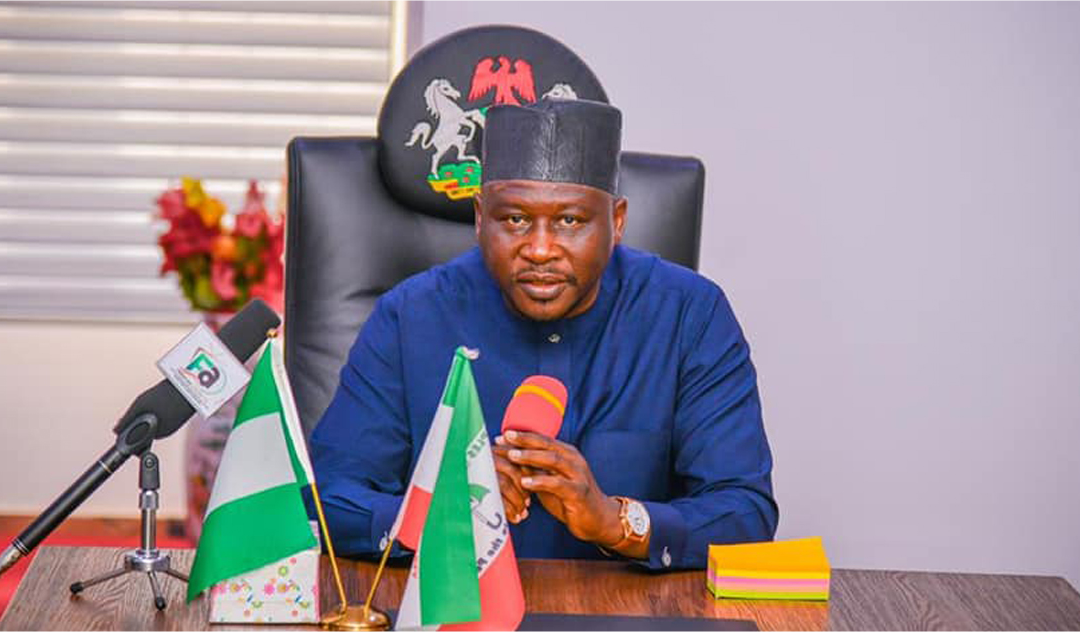
Gov. Fintiri suggests cogent solutions to Nigeria’s security challenges
practical solutions to Nigeria’s security challenges.

States
Gov. Sanwo-Olu tasks 1,800 law enforcement officers on responsible conduct, impartiality
The governor also urged residents to cooperate with law enforcement officers.
Agriculture
WAF advocate investment in technology, storage to strengthen food security
Mr Isong urged stakeholders to translate their commitments into practical projects, measurable outcomes and sustainable investments.

States
CDHR advises activists against selective rights advocacy
Mr Ogundipe called for evidence-based advocacy, accountability and stronger institutions.
Hot news Home top
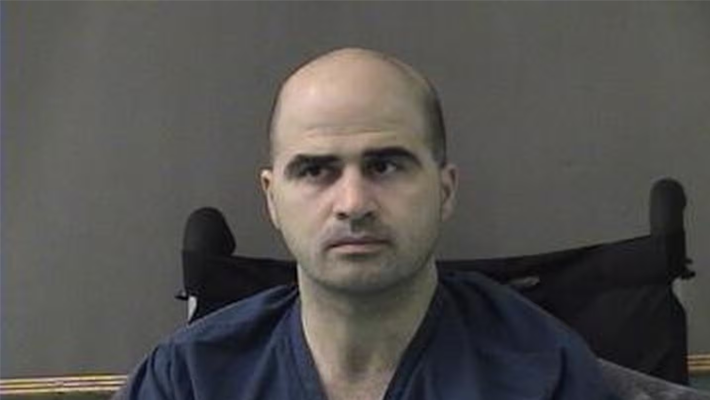
Trump overrules Hegseth, cancels live-streaming of terrorist Nidal Hasan’s execution
Mr Trump stated, “The execution may be viewed in person by the immediate families of the victims, if they so choose. They deserve to witness JUSTICE!”


