

UNAIDS pushes to end AIDS as public health threat by 2030
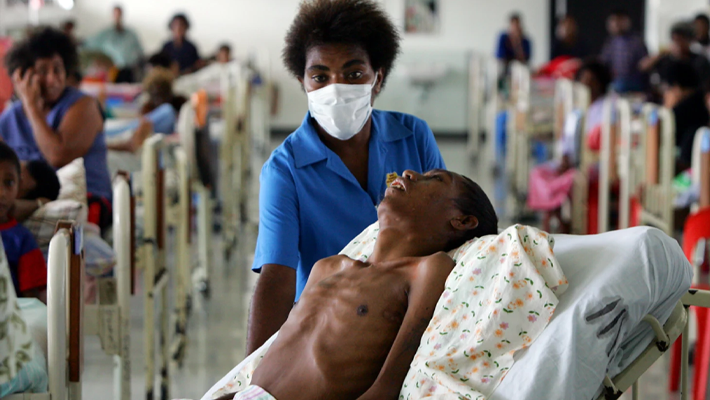
The Joint United Nations Programme on HIV/AIDS says the world can still end the scourge of HIV and AIDS as a public health threat by 2030.
UNAIDS executive director Winnie Byanyima, the global body’s agency fighting AIDS and HIV infection, stated this in the 2025 Global AIDS Update released on Thursday.
“Together, we can still end AIDS as a public health threat by 2030, if we act with urgency, unity, and unwavering commitment,” she said.
Ms Byanyima said in spite of the grim landscape, “there is still time to transform this crisis into an opportunity”. She stressed the need for countries and communities to step up to protect treatment gains.
As of December 2024, seven countries in sub-Saharan Africa had achieved the 95-95-95 targets.
This means 95 per cent of people living with HIV know their status, 95 per cent of those are on treatment, and 95 per cent of those on treatment are virally suppressed.
While such successes must be maintained and further scaled up, the global HIV response cannot rely solely on domestic resources, she cautioned.
“In a time of crisis, the world must choose transformation over retreat,” Ms Byanyima said.
Ms Byanyima, however, warned that the funding gap was hampering the fight to end AIDS, declaring it “a ticking time bomb”.
In spite of marked progress in the HIV response in 2024, this year has seen many disruptions to HIV prevention programmes and treatment services, due to abrupt funding shortfalls by the U.S. and other major donor countries.
Even before the large-scale service disruptions, reported data for 2024 showed that 9.2 million people living with HIV still did not have access to life-saving treatments, contributing to 75,000 AIDS-related deaths among children in 2024.
“This is not just a funding gap, it’s a ticking time bomb,” Ms Byanyima warned, as many AIDS-relief programmes are being defunded, pushing people out of critically needed care.
If U.S.-supported HIV treatment and prevention services collapse entirely, UNAIDS estimated that an additional six million new HIV infections and four million additional AIDS-related deaths could occur between 2025 and 2029.
She said devastating funding cuts from international donors were hitting countries hardest affected by HIV, but praised many that showed remarkable resilience and determination to keep progress alive.
UNAIDS, in the 2025 Global AIDS Update, warned that a historic funding crisis now threatens to unravel decades of hard-won gains unless countries radically rethink how they fund and deliver HIV services.
Of the 60 low and middle-income nations surveyed in the report, 25 have signalled plans to increase domestic HIV budgets in 2026, a clear sign of growing national leadership and commitment to the response.
While promising, UNAIDS stated that such efforts are insufficient to replace the scale of international funding in countries that are heavily reliant on global donors.
(NAN)

We have recently deactivated our website's comment provider in favour of other channels of distribution and commentary. We encourage you to join the conversation on our stories via our Facebook, Twitter and other social media pages.

More from Peoples Gazette

States
Independence: NBA urges Nigerians to expect better future
The NBA said that ordinary Nigerians should be deriving benefit from the subsidy removal rather than hardship.

Agriculture
FG tasks ECOWAS on leveraging financing strategies for agroecology
The federal government has urged stakeholders in the agriculture and finance sectors in the West Africa region to leverage financing strategies to enhance agroecology practices

Politics
Katsina youths pledge to deliver over 2 million votes to Atiku
“Katsina State is Atiku’s political base because it is his second home.”
States
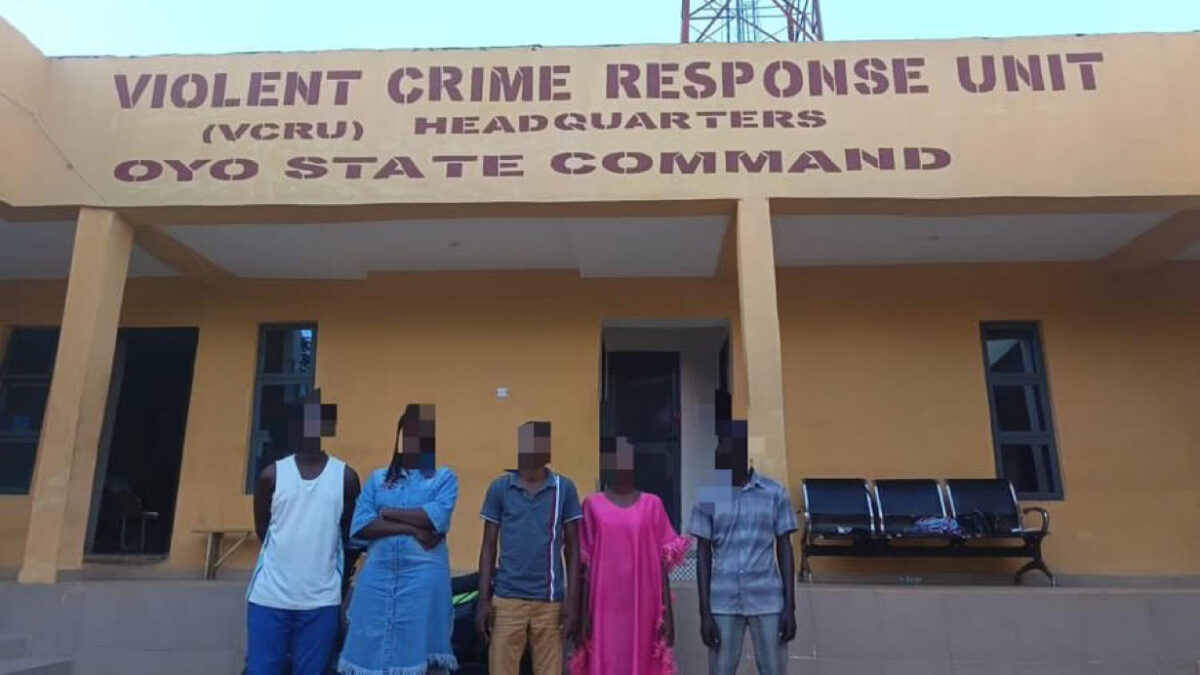
Human Trafficking: Police rescue Congolese nationals in Oyo
Mr Olayinka said the suspect was not found at the hotel during the operation.

Heading 5
NAFDAC raids Aba market, seizes fake packaging materials worth N200 million
NAFDAC stated that an invitation had been extended to the market union chairman.

States
Osun police nab man for allegedly defiling 15-year-old girl
Mr Ojelabi explained that the suspect used his closeness to the family to perpetrate the act.

States
Troops nab five ISWAP collaborators, rescue kidnap victim
The report that the suspects and recovered items were in military custody for further investigation.
NationWide
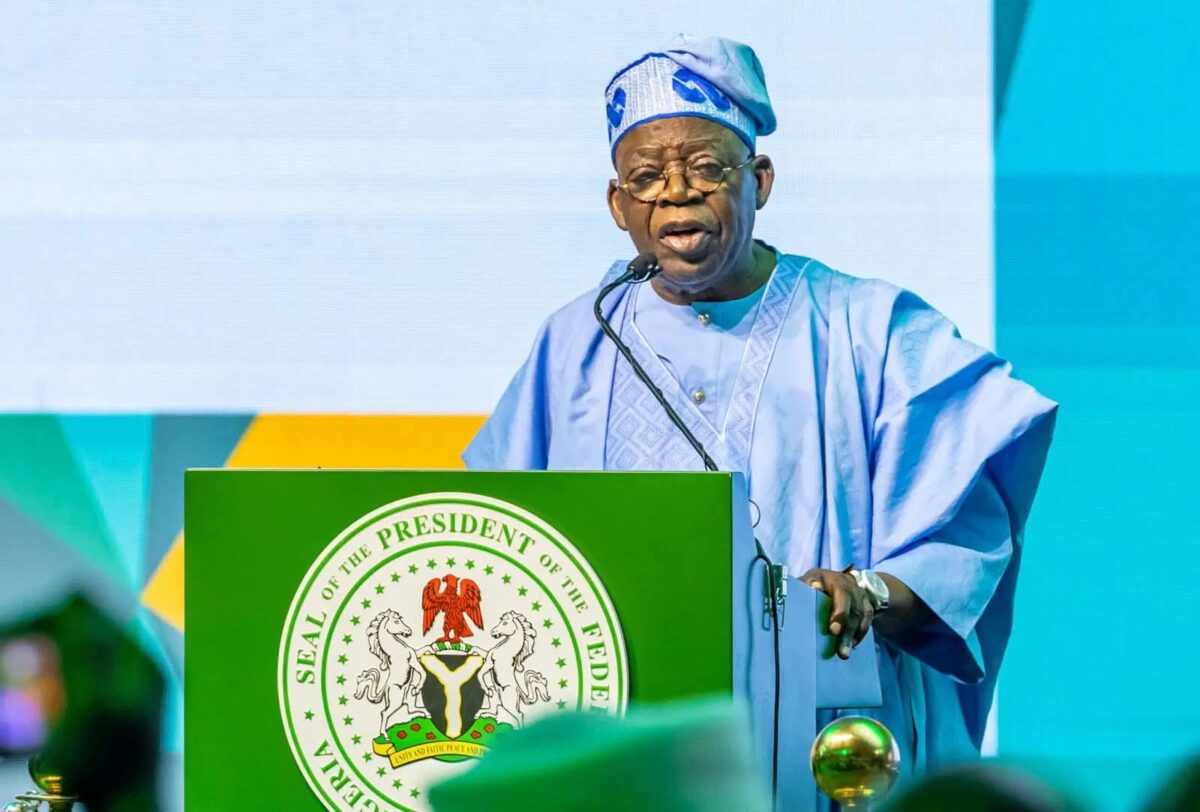
2027: Tinubu goofs, addresses himself as governor seeking second term
The president’s gaffe is reminiscent of his several campaign outings in 2022 and 2023.

Anti-Corruption
Lagos court jails Facebook impersonator three years over $135,000 fraud
Mr James allegedly scammed him under the guise of foreign exchange scheme.


