

UNIBEN wins national electric vehicle design competition, clinches N5 million prize

The University of Benin, Edo State, has emerged as the overall winner of the National Automotive Design and Development Council’s (NADDC) inaugural 8-Seater Electric Vehicle (EV) Campus Shuttle Bus Design Competition.
The grand finale, held on Friday at the University of Lagos (UNILAG), saw the Federal University of Technology, Owerri (FUTO) clinching the first runner-up position, while the University of Abuja secured the second runner-up spot.
The competition, which started on March 6, featured 12 participating universities from across Nigeria.
Emmanuel Ikegwuonu, from the Department of Mechanical Engineering, UNIBEN, who made presentation on behalf of his team, said 50 per cent of the materials were locally sourced.
He explained partnership with local suppliers and auto manufacturers and how the design captured benefits of people, profit and the planet.
Prof. Osarobo Ighodaro, UNIBEN, who supervised the overall winning team, explained technicalities that went into the supervision and how it was simplified for the students.
Earlier, while announcing the winners, Prof. Ibrahim Rufai, from the Bayero University Kano, explained the selection criteria and industrial requirements.
A team of 20 comprised 10 students from various faculties, five lecturers, two industry experts and the other technicians.
Director-General, NADDC, Oluwemimo Osanipin, after presentation of awards and plaques to winners and other stakeholders announced cash rewards for all participating schools.
Mr Osanipin said each of the 12 participating schools would get N2 million, first runner-up N3 million, second runner-up to get N4 million and the overall winner, UNIBEN, will go home with N5 million.
He stated that the aim of the competition was to foster local content in vehicle design for Nigerian use and potential export.
Mr Osanipin described the university community as a fertile land for execution of any idea, adding that the competition was the first in the nation.
The DG explained the multidisciplinary efforts that went into the electric vehicle design and the need for collaboration between stakeholders toward production to promote Nigeria.
He stated, “They have built possibilities and shown to us that we can have cleaner mobility in Nigeria.’’
Mr Osanipin said that the next phase, involving the production of the vehicle in collaboration with the private sector and NADDC support, would begin immediately.
He commended the participating students, lecturers, the National Assembly, industry experts from automotive industries and other stakeholders.
He said the Renewed Hope Agenda of President Bola Tinubu advocates local production.
He added, “Let us move towards the Nigeria that does not just consume but produce technology and export technology.’’
The Minister of State for Industry, Senator John Enoh, represented by his Special Adviser, Odusanya Adedamola, said that the initiative aligned with the vision and substance of the Nigerian Industrial Revolution Plan (NIRP).
He stated, “The NIRP, through the Nigerian Automotive Industry Development Plan (NAIDP), deliberately prioritises innovation, skills development, and local content. Hence, recognising that sustainable industrialisation and economic growth depend on cultivating homegrown solutions and technological capacity.’’
He said the collaboration between government, academia, and industry indicates possibilities when national policy, through instruments such as the NAIDP, meets the energy and ingenuity of youths.
He thanked the students for their boldness and brilliance, urging them to continue to innovate boldly, build confidently, and drive sustainably in line with NIPR vision
The Vice Chancellor of UNILAG, Prof. Folasade Ogunsola., represented by Prof. Wale Okunuga, Director, Research Management Office, explained how the initiative aligned with the institution’s green projects.
Other speakers, including the National Assembly representative, explained the advantages of clean mobility for Nigeria and the opportunities of local electric vehicles production.
Other schools from the nation’s six geopolitical zones were the Ahmadu Bello University (ABU), Zaria; Usmanu Danfodiyo University, Sokoto; Modibbo Adama University of Technology (MAUTECH), Yola.
Others were the University of Nigeria, Nsukka; Obafemi Awolowo University, Osun State; the University of Port Harcourt; University of Ilorin and Abubakar Tafawa Balewa University (ATBU), Bauchi.
(NAN)

We have recently deactivated our website's comment provider in favour of other channels of distribution and commentary. We encourage you to join the conversation on our stories via our Facebook, Twitter and other social media pages.

More from Peoples Gazette

States
Independence: NBA urges Nigerians to expect better future
The NBA said that ordinary Nigerians should be deriving benefit from the subsidy removal rather than hardship.

Agriculture
FG tasks ECOWAS on leveraging financing strategies for agroecology
The federal government has urged stakeholders in the agriculture and finance sectors in the West Africa region to leverage financing strategies to enhance agroecology practices

Politics
Katsina youths pledge to deliver over 2 million votes to Atiku
“Katsina State is Atiku’s political base because it is his second home.”
States
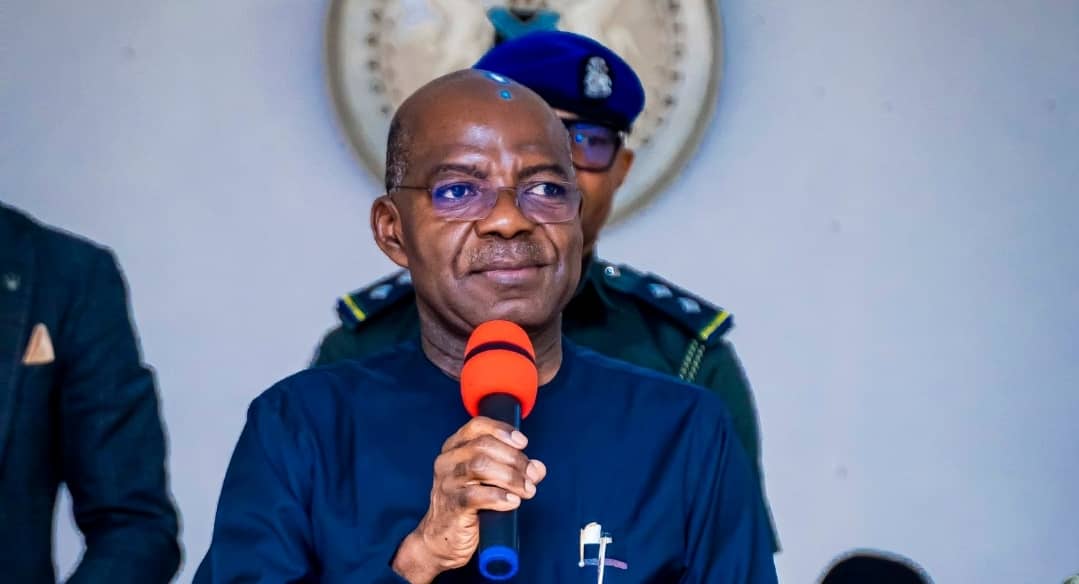
Otti advises Abia residents to reject election-season politicians’ promises
The bishop thanked God for giving Abia the opportunity to be governed by Mr Otti.

Heading 3
NiMet predicts three-day rain, sunshine nationwide from Monday
The agency also predicted cloudy skies with intervals of sunshine across the southern region.
States
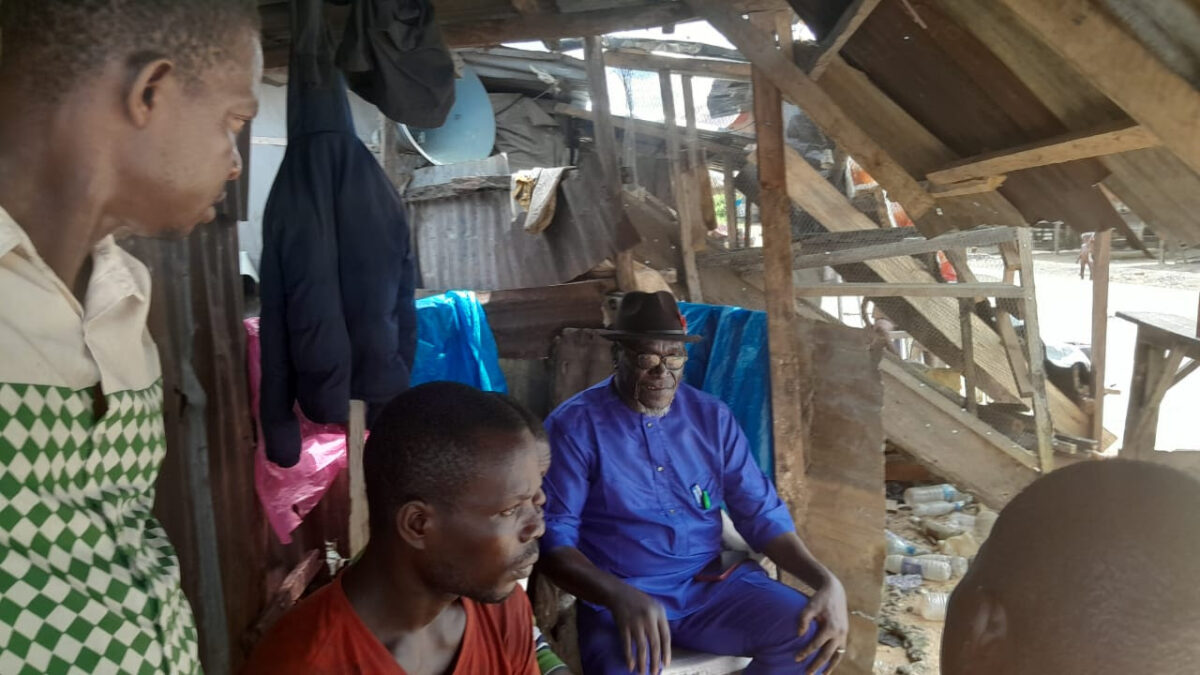
Environmentalists seek probe into Bayelsa, Rivers tremors
A fruit seller, Benita Douglas, said the vibration broke another trader’s table.

States
Coalition urges investment in girls’ education to end child marriage
Mr Ibn-Attahir said keeping girls in school was essential to ending child marriage.
Hot news Home top
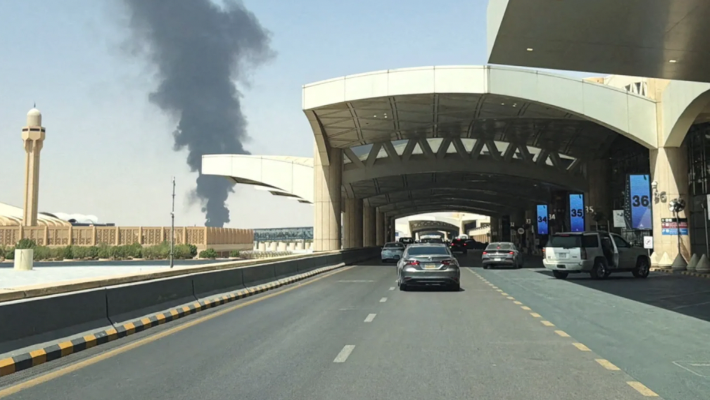
FG condemns Houthi attack on Saudi Arabia’s airport, urges restraint
The ministry stressed the need to respect Saudi Arabia’s sovereignty and territorial integrity.

States
PDP governorship candidate vows free shops for traders affected by Enugu market demolition
Mr Nnaji described trading as an integral part of the people’s economic and social life.


