

Unsafe livestock care fuelling drug resistance, medical experts warn

Veterinary experts have raised concerns over the growing public health risks associated with poor veterinary practices in Nigeria’s livestock sector.
The experts warned that neglect in animal healthcare is fuelling antimicrobial resistance and threatening food safety.
They made the remarks in separate interviews on Sunday in Lagos.
The experts also stressed the urgent need to strengthen veterinary services across the country.
Dr Mobolaji Alao, a poultry industry stakeholder and animal health expert, said veterinary and human healthcare systems were deeply interconnected.
Mr Alao noted that between 60 and 65 per cent of disease-causing organisms affecting humans are shared with animals.
“Zoonotic diseases make it impossible to separate veterinary healthcare from human medical care. They are closely linked and must be addressed together,” he said.
He attributed unsafe practices in livestock production to a lack of professional guidance, particularly among small and medium-scale poultry farmers.
“Most poultry farmers are not professionally trained. They go into the business for sustenance and learn on the job, which leads to mistakes, particularly in animal husbandry and drug use,” he said.
According to him, poor animal management often leads to disease outbreaks, resulting in excessive and inappropriate use of antibiotics.
“This misuse results in drug residues in animal products such as eggs, meat and milk, which are then consumed by humans,” he said.
Mr Alao explained that many veterinary drugs come with mandatory withdrawal periods, ranging from seven to over 40 days, during which animal products should not be consumed.
“But in reality, these products still find their way into the market because farmers are not compensated for the losses incurred during withdrawal periods,” he added.
He warned that continuous exposure to low doses of antibiotic residues through food contributes to antimicrobial resistance in humans.
“When people consume these residues, even at low doses, the microbes in their bodies begin to develop resistance. Over time, when such individuals fall ill and take antibiotics, the drugs become ineffective,” he said.
He also decried unsafe practices during meat processing, noting that animals were sometimes slaughtered with visible injection sites and drug residues still present in their tissues.
“These products eventually end up in the food chain and sometimes as street food like suya,” he said.
He stressed that the consequences include prolonged illnesses, increased healthcare costs and, in severe cases, death, calling for stronger regulation and enforcement across the livestock value chain.
In the same vein, the President of the World Veterinary Association, Dr Olatunji Nasir, described veterinarians as “guardians of food and health,” underscoring their critical role in ensuring food safety and public health.
“Without veterinary services, a safe and reliable food system cannot exist,” he said.
Mr Nasir explained that veterinarians are involved at every stage of food production, from breeding and rearing animals to inspection processes before and after slaughter.
“Before slaughter, veterinarians conduct ante-mortem inspections to identify animals unfit for consumption, while post-mortem examinations ensure that only safe and wholesome products reach consumers,” he said.
He noted that about 65 per cent of infectious diseases affecting humans originate from animals, while nearly 75 per cent of emerging diseases are zoonotic.
“By preventing these diseases at the animal level, veterinarians stop potential outbreaks before they reach humans,” he said.
Mr Nasir added that effective veterinary services reduce the burden on healthcare systems by preventing diseases rather than treating them.
Also speaking, Dr Mark Ofua, the Lagos State Chairman of the Nigerian Veterinary Medical Association, said veterinary medicine remained a foundational pillar of public health, food security and economic stability.
“A veterinarian is a trained professional dedicated to safeguarding animal health, but their role goes far beyond treating animals,” Mr Ofua said.
He noted that veterinarians protect humans from zoonotic diseases such as rabies, tuberculosis, avian influenza and monkeypox, especially in densely populated areas like Lagos.
“In a city where humans and animals live in close proximity, weak veterinary surveillance can open the door to disease outbreaks and even pandemics,” he said.
He added that veterinary oversight was essential across the food chain, from farm to table, to prevent contamination and foodborne diseases.
“Healthy animals mean safe food. When veterinary systems are neglected, the consequences include outbreaks, economic losses and avoidable deaths,” he said.
Mr Ofua also highlighted the economic importance of livestock production, noting that the sector contributes significantly to Nigeria’s Gross Domestic Product and provides livelihoods for millions.
He said inadequate veterinary services, poor infrastructure and disease outbreaks continued to hamper productivity and increase dependence on food imports.
“Investing in veterinary services yields substantial returns, including healthier livestock, increased productivity, safer exports and improved food security,” he said.
The experts unanimously called for the adoption of the one health approach, which integrates human, animal and environmental health systems to address emerging health threats holistically.
They emphasised that strengthening veterinary services, improving regulation and increasing awareness among farmers were critical steps toward safeguarding public health and ensuring a safe food system.
(NAN)

We have recently deactivated our website's comment provider in favour of other channels of distribution and commentary. We encourage you to join the conversation on our stories via our Facebook, Twitter and other social media pages.

More from Peoples Gazette

States
Independence: NBA urges Nigerians to expect better future
The NBA said that ordinary Nigerians should be deriving benefit from the subsidy removal rather than hardship.

Agriculture
FG tasks ECOWAS on leveraging financing strategies for agroecology
The federal government has urged stakeholders in the agriculture and finance sectors in the West Africa region to leverage financing strategies to enhance agroecology practices

Politics
Katsina youths pledge to deliver over 2 million votes to Atiku
“Katsina State is Atiku’s political base because it is his second home.”

Heading 3
Oyedele defends Tinubu’s 30-day fuel subsidy, says it’s discount
“The discount is not funded by the federal budget or the federation account,” Mr Oyedele said.
Heading 1
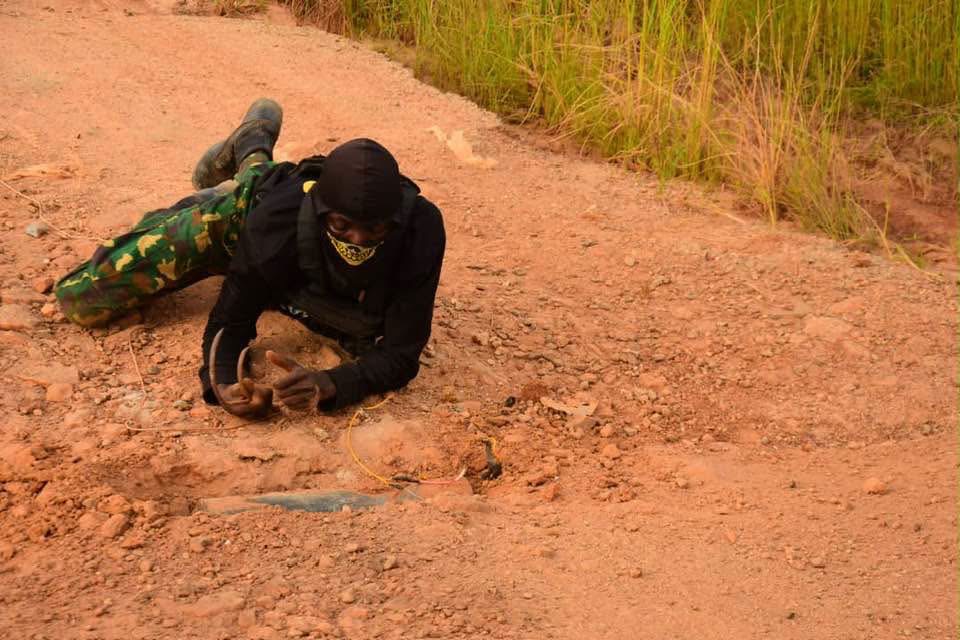
Troops neutralise IEDs planted along Zamfara road
The army said an explosive ordnance disposal team was subsequently deployed to destroy one device.
NationWide
FG, states move to improve grassroots nutrition delivery
Mr Alausa said nutrition interventions should begin during pregnancy and continue through the critical early stages of childhood development.
Anti-Corruption
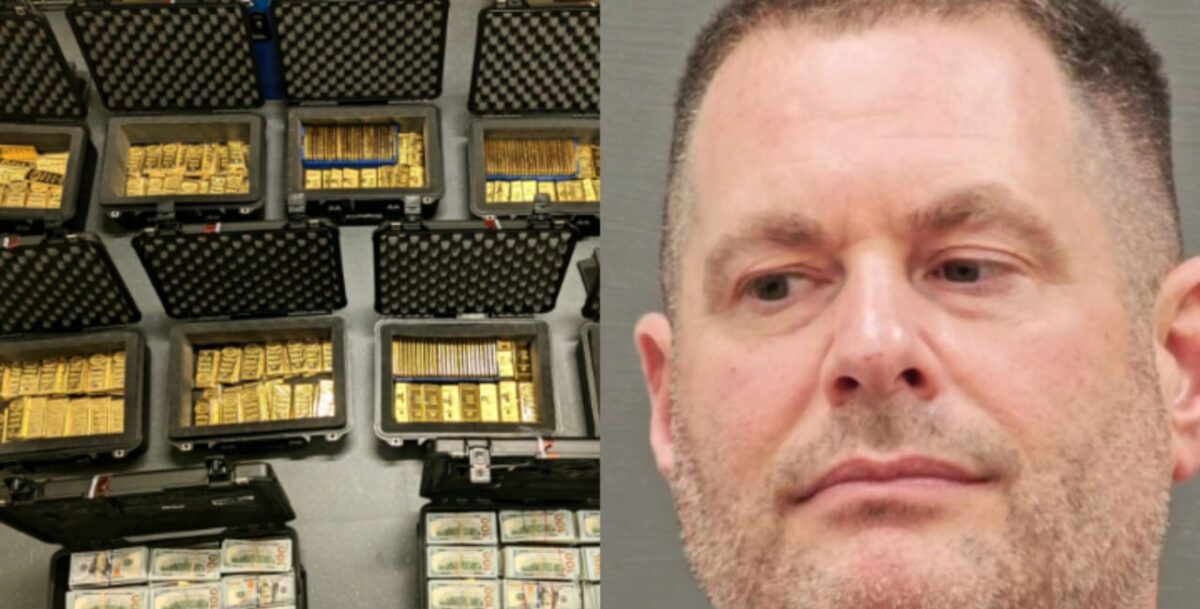
CIA official dupes U.S. govt, splurges $194 million on gold, real estate, Rolexes, 2026 BMW Alpina cars
The FBI recovered 298 gold bars, $2,106,550 in cash, €104,795, numerous luxury watches, and two 2026 BMW Alpina vehicles from Mr Rush. He faces 20 years in prison.
States
Violations of women, children’s rights top list as Gombe records 241 complaints
Mr Wanshe said 148 of the complaints, representing 61.4 per cent, involved violations of the rights of women and children.

World
Russia-Iran trade grew 21% in 2025: Putin
Mr Putin also highlighted growing humanitarian ties, including cultural exchanges and other joint activities organised in both countries.


