

Vilnius Summit: NATO to discuss Russia, China’s “coercive behaviour”
NATO leaders are to discuss Russia, China, and rapidly changing security landscapes with Ukrainian President Volodymyr Zelensky and counterparts from Indo-Pacific nations on Wednesday.
Mr Zelensky is to attend the first meeting of the NATO-Ukraine Council, a newly created format designed to give Kiev the opportunity to engage with the alliance on an equal footing, rather than just acting as an applicant.
The council meetings are intended to allow Ukraine to raise issues and deepen relations with NATO against the backdrop of Kiev’s aspirations to join the alliance and Russia’s ongoing war in Ukraine.
The G7 group of leading democracies, which includes France, Italy, Japan, Canada, the United States, Britain and Germany, is expected to decide on long-term security assurances to Ukraine.
China is to be discussed when NATO leaders meet their counterparts from Australia, Japan, New Zealand, and South Korea on the second day of the alliance’s summit in Vilnius.
“China is increasingly challenging the rules-based international order, refusing to condemn Russia’s war against Ukraine, threatening Taiwan and carrying out substantial military buildup,” Mr Stoltenberg said this week.
“China’s nuclear modernization is unprecedented in speed and scale and being carried out with no transparency,” he added.
NATO countries earlier agreed to work together “to protect against China’s coercive behavior,” Mr Stoltenberg stated.
The final day of the summit is to also give leaders the opportunity to meet for private one-on-one talks.
German Chancellor Olaf Scholz and US President Joe Biden are to meet Zelensky separately to discuss support for Kiev.
(dpa/NAN)

We have recently deactivated our website's comment provider in favour of other channels of distribution and commentary. We encourage you to join the conversation on our stories via our Facebook, Twitter and other social media pages.

More from Peoples Gazette

Agriculture
FG tasks ECOWAS on leveraging financing strategies for agroecology
The federal government has urged stakeholders in the agriculture and finance sectors in the West Africa region to leverage financing strategies to enhance agroecology practices

Politics
Katsina youths pledge to deliver over 2 million votes to Atiku
“Katsina State is Atiku’s political base because it is his second home.”
Africa
CDC canvasses stronger African ownership of health security
Mr Kaseya said the approach was central to the African Health Security and Sovereignty agenda.
Hot news Home top
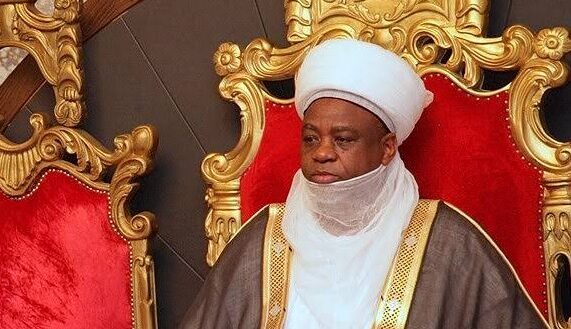
Don’t use looted funds to sponsor pilgrims to Mecca, Jerusalem, Sultan tells politicians
Mr Abubakar said that God does not accept corrupt offerings.

Africa
UN warns predicted El Niño rains may affect 3.4 million people in Somalia
The agency said the window for preparedness was closing.

Abuja
NSCDC nabs three suspected vandals, recover 17 vandalised petroleum pipes
The commandant said that the arrested suspects had been subjected to preliminary investigation.
Heading 1
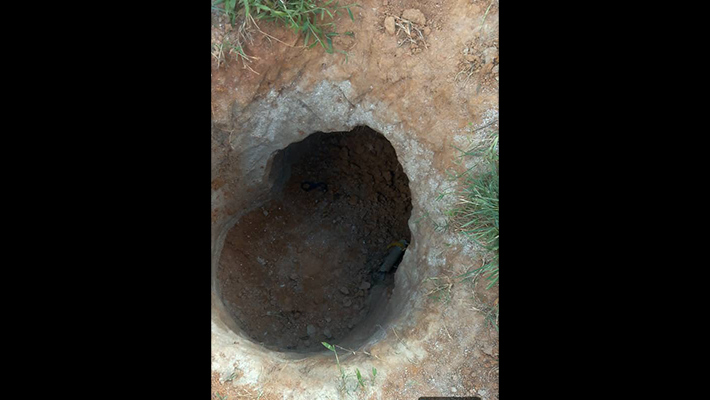
Six die in collapsed mining pit in Plateau
Mr Mallai stated that the bodies had been evacuated.

Africa
Ghana’s deputy interior minister seeks integrated protection of West Africa’s mineral economy
Mr Terlabi said mining security must be viewed as part of the wider national and regional security architecture.


