

We need the Nigerian dream and identity
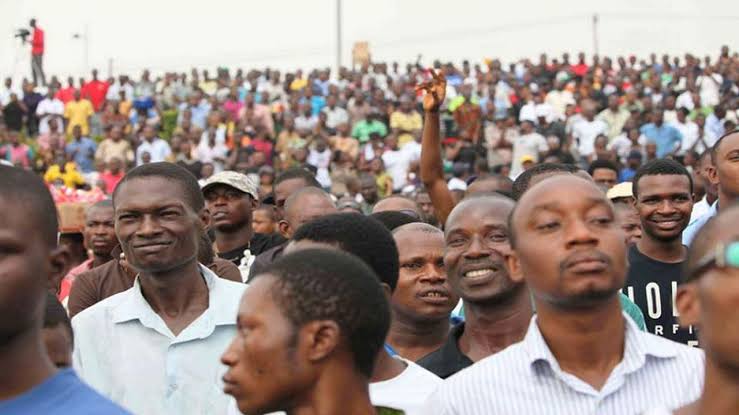
We, the Igbo, the Hausa, the Yoruba, the Fulani, the Ijaw, the Esan, the Urhobo – and all other ethnic nationalities — must cede our ethnic identities to the Nigerian identity. This does not imply abandoning our roots, culture and traditions but embracing an expansive identity for the survival of our country.
Giving up the tribe means putting the interest of the nation first; it means acting on the philosophy of the monolithic whole as against group agenda; it means eschewing divisive utterances and actions; it means accenting our strengths and areas of convergence rather than promoting discord and points of divergence; it means embracing our common identity as Nigerians and consigning the tribal identity to secondary relevance. It means being Nigerian.
We must begin to erode ‘’tribal identities’’ and awaken the ‘’Nigerian identity’’ to make progress as one country. I am Nigerian. That is my tribal identity.
To build the Nigerian identity and dream, there is a place for leadership and a place for followership. Building Nigeria will involve Nigerians from all strata. The place of leadership in nation-building is the place of personal example. Leadership by deed, not just by words. The leadership must inspire hope and confidence. The leadership must gain the trust of all sections of the country and work to keep it.
Sadly, no leadership over the years has successfully levelled the contours and inspired honour in the Nigerian identity. Citizens cling to native allegiances because they feel safe in the unit. In the tribal unit, they have a sense of belonging. But it should not be so. Citizens should feel secure and hopeful in the bosom of their country.
Where the leadership betrays prejudices, the followership sunders. The leadership is doomed to be assailed by a phalanx of discontents when it ignores the elements of inclusion.
The place of leadership in forging bonds of commonality is the place of purpose and deliberateness. The leadership must be very deliberate in managing diversity and in fostering kinship among variegated people. Nation-building cannot be left to chance or to the whim of anyone. There must be purposive plans and actions towards uniting the people.
The next leadership should make it a priority to build citizens’ confidence. Confidence-building is an essential ingredient of leadership. Deliberate policies and efforts must be committed to this pursuit.
Today, the country is sundered – and it has always been so, really. The leadership must make a conscious effort at reconciling all Nigerian groups and goading loyalism — even if it means tasking the National Orientation Agency with pragmatic targets and making it alive to its responsibilities.
We need to address the issue of ‘’ethnic origin and identity?’’ Am I a Nigerian because I am Igbo? Or Am I a Nigerian by virtue of my birth and allegiance to my country? The truth is most ‘’citizens’’ submit to their ethnic nationalities rather than to Nigeria. They derive their identity not from Nigeria but their ethnic stock.
We need to build a Nigerian identity. All ethnic nationalities must surrender their individual identities to a Nigerian identity. Like it is in Rwanda, it can happen in our country.
We must be deliberate about managing our diversity. As said earlier, this is where the leadership is remiss. There is no calculated policy to harmonise ethnic divergences and sensitivities; understand this chasm and forge a strong bridge across all lines.
What is the Nigerian dream? Well, some cynics say the Nigerian dream is to ‘’Japa’’. I believe the Nigerian dream should be a reflection of the wishes and aspirations of citizens. It should draw from the Nigerian identity and reflect the hope and faith of the people. The Nigerian dream could be of national unity, mass prosperity or self-actualisation.
But the leadership needs to inspire this dream. Where the leadership lacks purpose as regards fostering communal connection, galvanising allegiance, and inclining patriotism, young men and women cannot dream the Nigerian dream, and elders cannot see the vision.
Inspiring citizens to dream the Nigerian dream through deliberate policies and good governance should be a priority of the next leadership. Nigeria needs corrective leadership in 2023. No government has it all figured out. Progressive leadership is corrective leadership. It is expected that every succeeding administration should surgically address the malignant afflictions of the preceding government.
In 2023, Nigeria needs a government that will better manage the country’s diversity, retool the economy, deal decisively with insecurity, and build on the burgeoning infrastructural records of the Buhari administration. But most importantly, heal the bruised national umbilicus, and inspire patriotism and confidence in the Nigerian identity.
2023 should be for national healing, hope and dream.
Fredrick Nwabufo, Nwabufo a.k.

We have recently deactivated our website's comment provider in favour of other channels of distribution and commentary. We encourage you to join the conversation on our stories via our Facebook, Twitter and other social media pages.

More from Peoples Gazette

States
Independence: NBA urges Nigerians to expect better future
The NBA said that ordinary Nigerians should be deriving benefit from the subsidy removal rather than hardship.

Agriculture
FG tasks ECOWAS on leveraging financing strategies for agroecology
The federal government has urged stakeholders in the agriculture and finance sectors in the West Africa region to leverage financing strategies to enhance agroecology practices

Politics
Katsina youths pledge to deliver over 2 million votes to Atiku
“Katsina State is Atiku’s political base because it is his second home.”
Heading 2
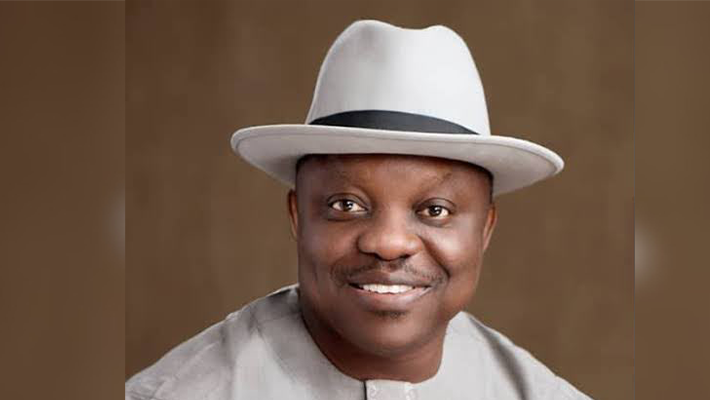
Tinubu describes Uduaghan’s death as loss to Delta, Nigeria
Mr Tinubu urged the people of Delta to draw strength from Mr Uduaghan’s years of service.

Diaspora
U.S. court sentences Chukwuemeka Amachukwu to eight years in prison for role in over $15 million fraud
Mr Amachukwu was sentenced after pleading guilty.
States
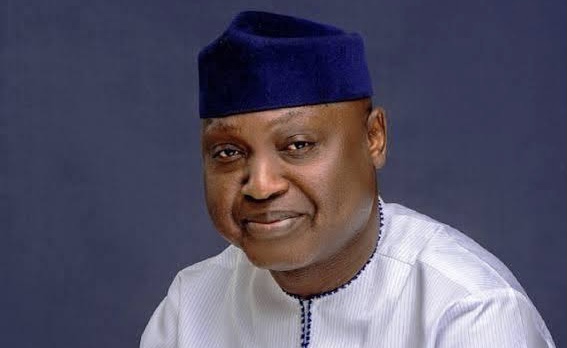
Gov. Oyebanji inaugurates aviation fuel depot in Ado-Ekiti
The governor said the ground lighting project would cost more than N10 billion.

Anti-Corruption
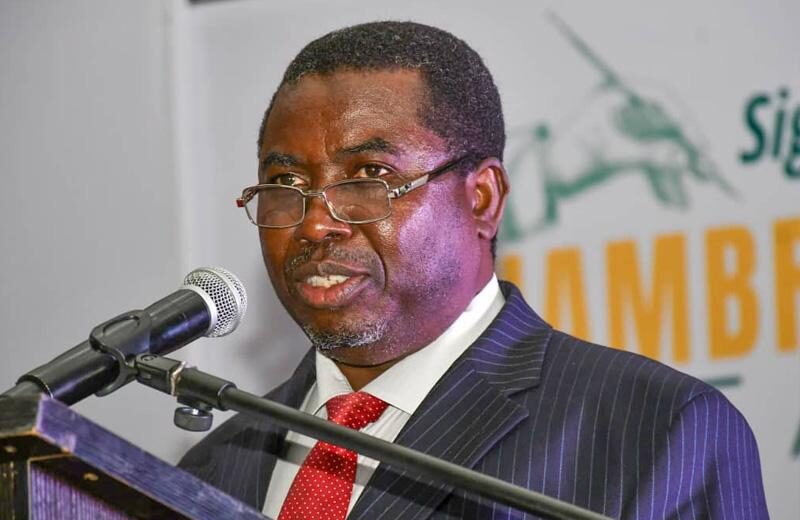
FEC did not approve $6 billion Mambilla contract, former governor Imoke tells court
The former governor said he served as minister between August 2003 and November 2006.

States
Troops foil kidnapping attempt, rescue 11 passengers in Kogi
The acting spokesperson said the incident occurred on Sunday while the troops were on routine patrol.
Heading 5
2027: Amupitan assures INEC workers of improved welfare, remuneration
Mr Amupitan urged the staff to steer clear of partisan politics.


