

West Africa continues study on Lassa fever, malaria co-infection

The ENABLE 1.5 Lassa Research Programme has continued in West Africa to address knowledge gaps on Lassa fever, its connection to malaria, and community readiness for forthcoming vaccines.
The study, funded by the Coalition for Epidemic Preparedness Innovations, commenced in late 2024 and will run until mid-2026 across Liberia, Nigeria, and Sierra Leone, with significant scientific and public health goals.
The prospective cohort study recruited 5,000 participants, with at least 1,000 per site, and monitored them closely for a year to measure Lassa virus incidence, malaria co-infection, and long-term complications, including permanent hearing loss.
This phase of the study builds on ENABLE 1.0 (2021–2023), which enrolled over 23,000 participants in Benin, Guinea, Liberia, Nigeria, and Sierra Leone, yielding important data on Lassa virus exposure and distribution patterns.
The study reported that the earlier phase had an overall Lassa virus seroprevalence of approximately 30 percent, with Edo recording the highest incidence rate of 1.9 cases per 1,000 persons, as indicated in the surveillance findings.
It disclosed that children were as vulnerable to Lassa fever as adults.
“Mild cases are often missed, while malaria coinfection rates in Lassa patients remain poorly studied, necessitating targeted data gathering and analysis.
“ENABLE 1.5 will determine symptomatic infection rates confirmed by RT-PCR testing, measure malaria co-infection among Lassa patients, and assess sensorineural hearing loss incidence in survivors to inform vaccine trials and health interventions,” it said.
The study would also evaluate community perceptions of Lassa vaccination and willingness to participate in future clinical trials, using participatory approaches to enhance acceptance and foster trust in targeted populations.
To reduce participant dropout, the study proposed that researchers involve community health workers and survivors as advocates, alongside sensitization campaigns on rodent control, environmental sanitation, and insecticide-treated mosquito net usage in high-risk communities.
Communities from ENABLE 1.0 will receive updates on past findings, ensuring transparency and strengthening local relationships. Meanwhile, random household selection in Lassa hotspots will ensure balanced representation across five age categories.
The study said that participants would undergo regular check-ups, blood tests, and hearing assessments.
It stated that suspected cases would be tested for both diseases, and confirmed cases would be referred promptly to treatment centers following national health guidelines.
It said that survivors would be followed for months to monitor recovery progress, detect delayed complications, and collect valuable information about the long-term health and socioeconomic impact of the disease on affected individuals.
CEPI said that ENABLE 1.5 would generate robust evidence for late-stage vaccine trials, inform delivery strategies, and strengthen regional outbreak preparedness and response for Lassa fever and associated health challenges.
(NAN)

We have recently deactivated our website's comment provider in favour of other channels of distribution and commentary. We encourage you to join the conversation on our stories via our Facebook, Twitter and other social media pages.

More from Peoples Gazette

Agriculture
FG tasks ECOWAS on leveraging financing strategies for agroecology
The federal government has urged stakeholders in the agriculture and finance sectors in the West Africa region to leverage financing strategies to enhance agroecology practices

Politics
Katsina youths pledge to deliver over 2 million votes to Atiku
“Katsina State is Atiku’s political base because it is his second home.”
Heading 4
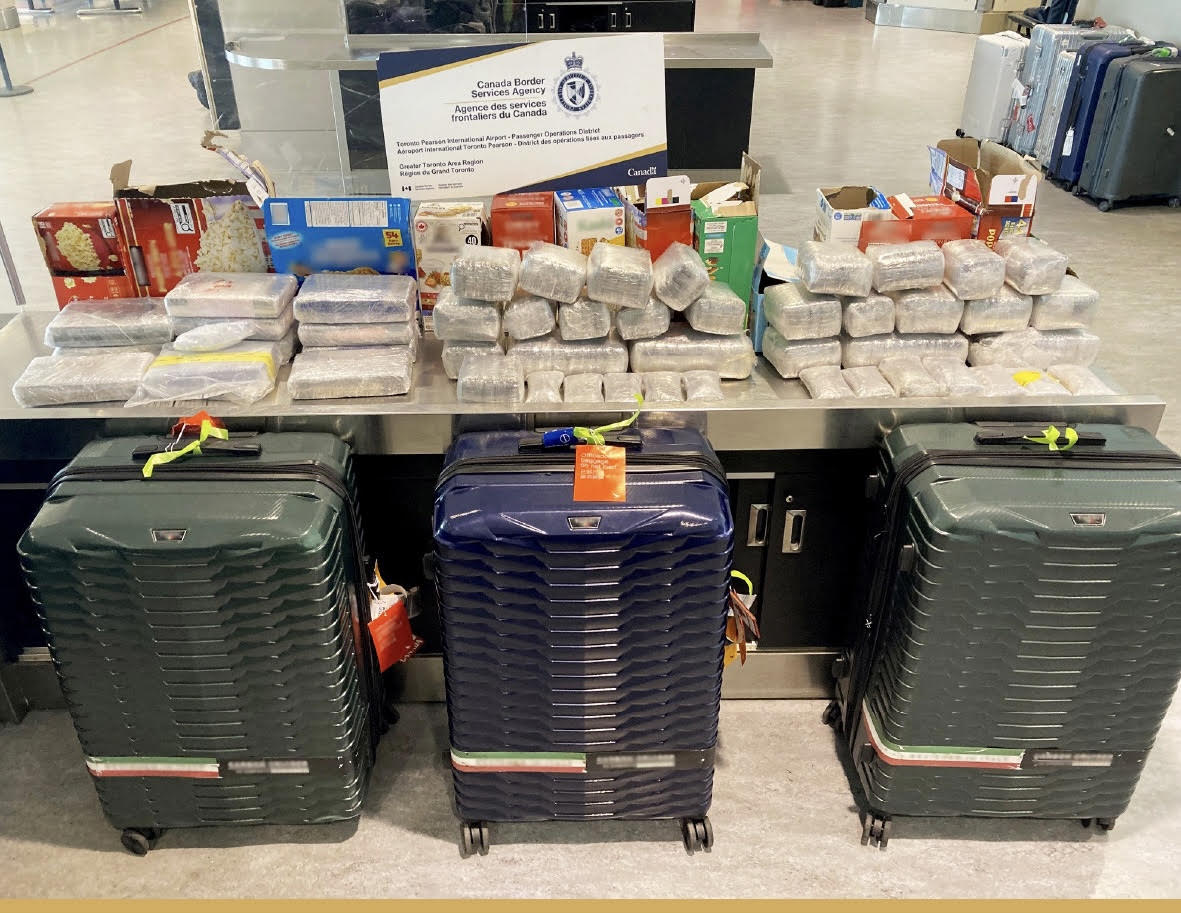
Sri Lanka-bound 44kg hashish, 13kg cocaine intercepted at Canada’s Toronto Pearson’s airport
The suspect was subsequently arrested by law enforcement officers before being transferred into the custody of the Royal Canadian Mounted Police (RCMP).

NationWide
Africa Magic airs documentary celebrating Olu Jacobs’ legacy
The late Jacobs co-founded the Lufodo Group and the Lufodo Academy of Performing Arts with his wife.

Africa
Ebola cases rise as outbreak expands to 63 health zones in DR Congo: WHO
WHO said delays in diagnosis and access to adequate treatment could contribute to preventable deaths.

States
Edo govt. targets jobs, revenue through tourism, hospitality sectors
Mr Okaeben said the state government was committed to creating an enabling environment where talents could thrive.

NationWide
Army trains 380 soldiers in specialised skills to boost operations
Mr Adejimi said the training was designed to improve the technical capabilities of personnel.

States
Police nab two suspects for alleged car theft in Niger village
The suspected soldier and one other took to their heels, while the other two were arrested.


