

West Africa ramps up fight against Lassa fever threat
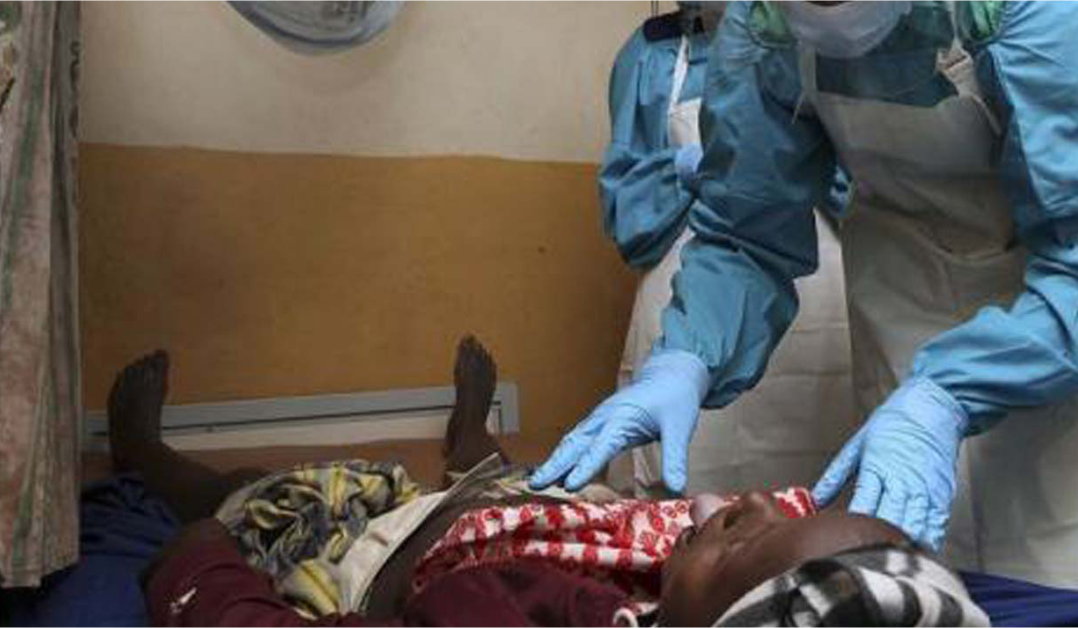
The Lassa Coalition Governing Entity will convene its inaugural meeting on Thursday to make a significant step towards addressing the recurring threat of Lassa fever in the West Africa region.
The Federal Ministry of Health and Social Welfare, in collaboration with the West African Health Organisation, supported by the Coalition for Epidemic Preparedness Innovations, is to host the meeting.
This was disclosed on Wednesday in a joint statement by the conveners.
The LGE is designed to provide leadership and governance for the newly established Lassa Coalition, which aims to build upon existing regional and national efforts.
The coalition will focus on vaccine research, community engagement, and sustainable manufacturing to ensure that those most affected by Lassa fever can access effective vaccines.
The statement said that the high-level meeting would mark the launch of a pioneering regional initiative to strengthen public health systems and accelerate vaccine development.
It said the initiative also sought to ensure equitable access to life-saving solutions for Lassa fever, a significant regional public health challenge.
“Nigeria’s coordinating minister of health and social welfare, Prof. Muhammad Ali Pate, described the coalition as a critical step towards health security and innovation.
“The fight against Lassa fever reflects our shared commitment to health security and equitable access to life-saving solutions. Together, this coalition strengthens public health systems, fosters innovation, and builds a resilient future,” it said.
The statement said the coalition aimed to prioritise regional and country ownership of Lassa fever control efforts while focusing on sustainable solutions.
It said a secretariat based at WAHO would spearhead policy research and coordinate regional strategies.
Richard Hatchett, CEO of CEPI, emphasised the significance of the coalition in accelerating progress.
“Having plagued West Africa for decades, Lassa fever has long been considered one of the most neglected of neglected diseases, but with the great advances in vaccine research, this is now changing,” he said.
Lassa fever, first identified in 1969 in Lassa village, Nigeria, is a viral hemorrhagic disease caused by the Lassa virus.
The virus is transmitted to humans primarily through food or household items contaminated by the urine or faeces of infected mastomys rats, a rodent common across West Africa.
Without adequate infection control measures, human-to-human transmission is also possible, particularly in healthcare settings.
The disease infects hundreds of thousands annually across West Africa, causing symptoms such as fever, vomiting, and, in severe cases, bleeding.
One of the most troubling complications is hearing loss, which affects about 25 per cent of survivors.
Fatality rates are estimated at one per cent, but during outbreaks, mortality can rise significantly, particularly among pregnant women and healthcare workers.
Despite its significant health impact, Lassa fever has been categorised as one of the most neglected diseases, with limited resources allocated to its prevention and treatment.
There are no licensed vaccines for Lassa fever, although about 20 candidates are in development, with the most advanced in Phase IIa clinical trials.
Meanwhile, the LGE includes health ministers from Nigeria, Benin, Guinea, Liberia, and Sierra Leone, alongside WAHO, CEPI, and the World Health Organisation representatives.
The coalition will be tasked with operationalising a roadmap for 2025 that includes vaccine demand evaluation, clinical trial design, and equitable vaccine access strategies.
Establishing the coalition marks a critical milestone in the fight against one of West Africa’s most persistent health challenges.
By fostering collaboration, innovation, and sustainability, the coalition aims to transform the region’s response to Lassa fever and secure a healthier future for its population.
(NAN)

We have recently deactivated our website's comment provider in favour of other channels of distribution and commentary. We encourage you to join the conversation on our stories via our Facebook, Twitter and other social media pages.

More from Peoples Gazette

States
Independence: NBA urges Nigerians to expect better future
The NBA said that ordinary Nigerians should be deriving benefit from the subsidy removal rather than hardship.

Agriculture
FG tasks ECOWAS on leveraging financing strategies for agroecology
The federal government has urged stakeholders in the agriculture and finance sectors in the West Africa region to leverage financing strategies to enhance agroecology practices

Politics
Katsina youths pledge to deliver over 2 million votes to Atiku
“Katsina State is Atiku’s political base because it is his second home.”
States
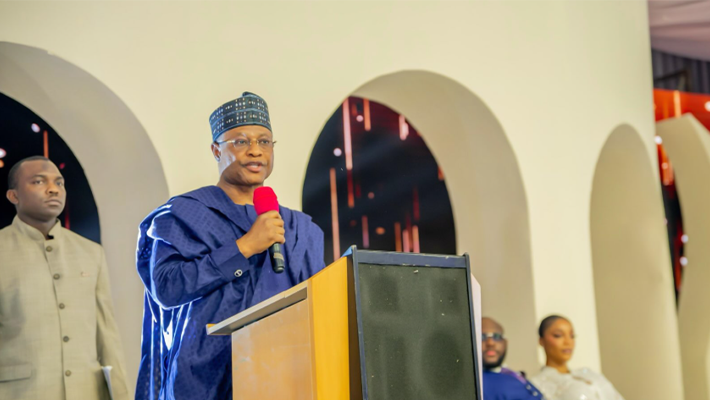
I’ve paid over N7 billion as compensation to property owners: Gov Sani
The governor commended the owners of the 865 affected households.
Heading 5
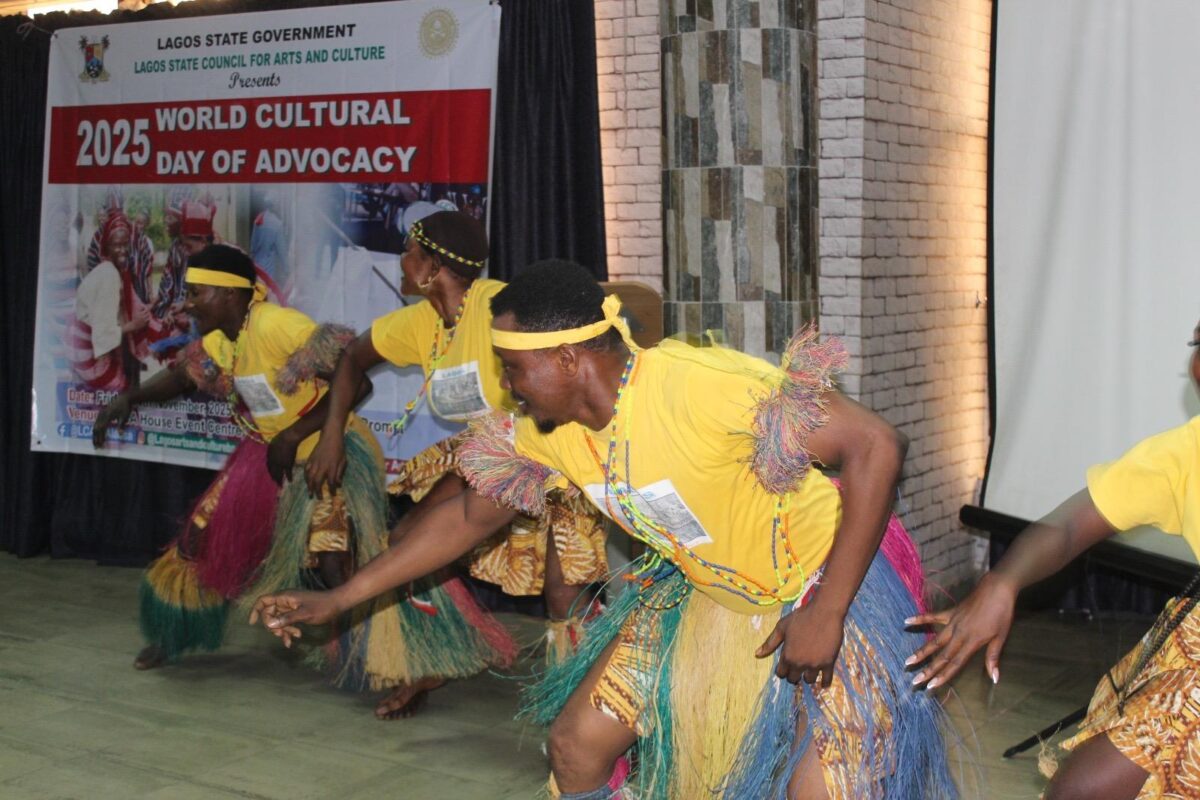
Lagos strengthens culture, youth engagement to boost creative economy
According to Mr Johnson, the government was encouraging young people to develop their creative skills.

States
Ogun FRSC commander dies after brief illness
He described Mr Ogunjobi’s death as a great loss to the corps.

Showbiz
Daddy Showkey, Peruzzi, others thrill fans at Felabration
Felabration is an annual cultural festival featuring musical performances, debates, dance, art and fashion.

Heading 5
France’s historic Limoges City Hall burns down amid raging protests
The building was inaugurated in 1883.
World
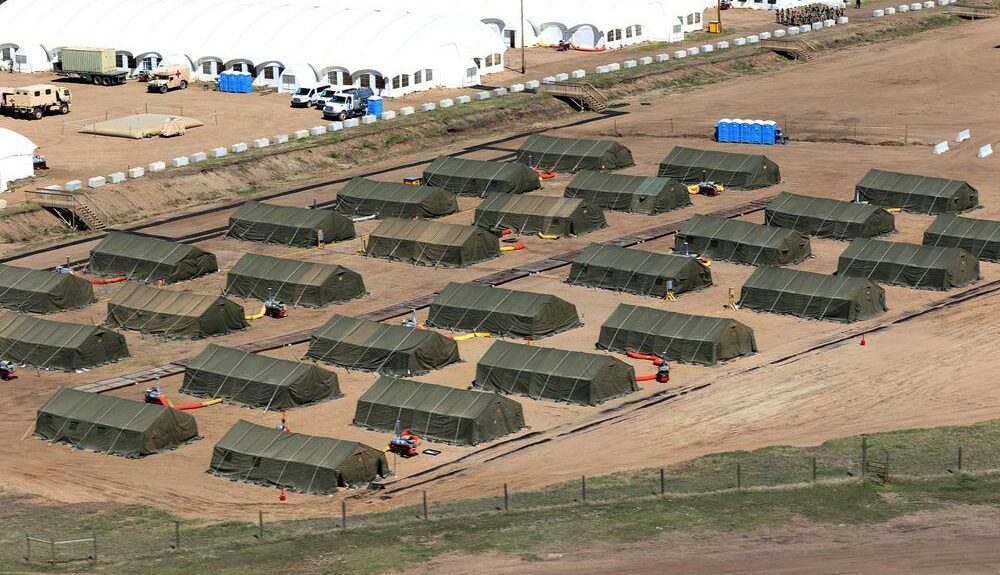
Several killed, others injured in explosion at Canadian military base
Mr McGuinty said the Canadian military was still investigating the incident.


