

West African health unions warn of deepening workforce crisis, urge government action

A coalition of health sector unions in West Africa has raised concerns about an escalating workforce crisis in the region and urged governments to take urgent, coordinated action.
The union made the call at the 25th plenary session of the West African Health Sector Unions Network (WAHSUN) in Abuja on Friday.
The theme of the event was “Strengthening Public Healthcare Delivery Systems in West Africa: Trade Union Strategies for Workforce Protection, Equity and Universal Health”.
Speaking at the opening, its chairman, Kabiru Ado-Minjibir, said the region was grappling with a severe shortage of health workers amid a rising disease burden.
According to him, the region is facing a critical shortage of health workers, which is already affecting service delivery across countries.
“We cannot sustain our health systems when a large number of trained professionals continue to leave in search of better conditions.
“Unless urgent steps are taken to bridge workforce gaps, the situation will worsen and compromise healthcare access for millions,” he said.
Mr Ado-Minjibir noted that Africa accounts for about 10 per cent of the global population but carries nearly 25 per cent of the global disease burden, with only about four per cent of the world’s health workforce.
Mr Ado-Minjibir, who is also the president of the Medical and Health Workers’ Union of Nigeria (MHWUN), identified mass migration of health professionals, poor remuneration, among others, and limited career opportunities as key drivers of the crisis.
The chairperson added that insecurity, especially in the Sahel region, had further worsened the situation, exposing health workers to attacks and increasing risks in service delivery.
He also decried the poor welfare of community health workers, saying that many workers remained unpaid and without formal recognition despite their critical role in primary healthcare delivery.
According to him, over 80 per cent of community health workers in Africa do not receive formal salaries.
Mr Ado-Minjibir also decried low budgetary allocation to the health sector in many African countries, noting that most countries had failed to meet the 15 per cent target under the Abuja Declaration.
He called on governments to prioritise investment in the health sector, enforce labour agreements, and ensure adequate protection and motivation of health workers.
He called for stronger regional collaboration and partnership with stakeholders to address the challenges and improve health outcomes across West Africa.
According to him, the unions will continue to engage with governments and advocate for policies that promote fair wages, safe working conditions, and sustainable health systems.
Also speaking, Baba Aye, global head of health and social services at Public Services International (PSI), said regional health union networks remained critical to strengthening collaboration and advocacy among health workers.
Mr Aye said the West African Health Sector Unions Network was conceived in 2004 and formally inaugurated in 2007, describing it as the first of its kind within PSI’s regional structures.
He noted that the initiative had since inspired the establishment of similar health union networks in East and Southern Africa, as well as in America.
According to him, PSI represents about 30 million workers globally, with nearly half of that number in the health sector, underscoring the importance of healthcare to human life and development.
Mr Aye said that despite its importance, public health systems across the world, particularly in Africa, continued to face challenges of underfunding, privatisation pressures and workforce shortages.
(NAN)

We have recently deactivated our website's comment provider in favour of other channels of distribution and commentary. We encourage you to join the conversation on our stories via our Facebook, Twitter and other social media pages.

More from Peoples Gazette

Agriculture
FG tasks ECOWAS on leveraging financing strategies for agroecology
The federal government has urged stakeholders in the agriculture and finance sectors in the West Africa region to leverage financing strategies to enhance agroecology practices

Politics
Katsina youths pledge to deliver over 2 million votes to Atiku
“Katsina State is Atiku’s political base because it is his second home.”

Sport
4,000 athletes competing in Akwa Ibom sports festival: Gov Eno
According to Mr Eno, sports play a significant role in his administration’s ARISE agenda, especially in developing and empowering youths.

States
Police nab alleged notorious drug dealer Chukwudi Eguzouwa in Abia
The police command in Abia says it raided criminal hideouts and arrested an alleged notorious drug dealer, Chukwudi Eguzouwa, 49, of Ahiabubi, Isiala Ngwa North LGA.

Politics
Appeal court president constitutes Delta election petition tribunal
The Election Petition Tribunal for the National and State Houses of Assembly by-elections held on Saturday in Delta has been constituted.

Anti-Corruption
Convicted Olamide Shanu faces 20-year jail for money laundering, sextortion scheme that defrauded 150 Americans
Mr Shanu, extradited to the U.S., now risks a maximum penalty of 20 years in prison, and his sentence is scheduled for December 15, 2026.
Politics
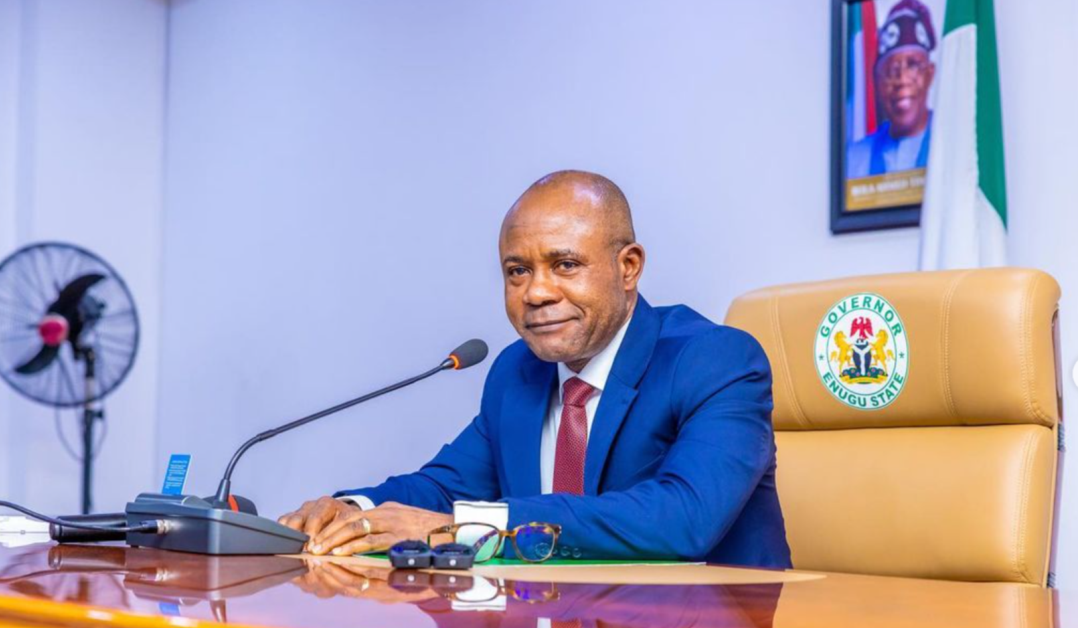
Enugu: Gov Mbah appoints 101 new aides
Governor Peter Mbah has approved the appointment of 101 new aides, comprising special advisers, senior special assistants and special assistants.

Kano
UNGA81: North-West governors commit to shared agenda for peace, resilience
Governors from the North-West geopolitical zone have committed to advancing a shared regional agenda for peace, resilience, and economic opportunity.


