

West, Central Africa made ‘notable progress’ in AIDS response: UNAIDS

The Joint United Nations Programme on HIV/AIDS says the West and Central African region has made notable progress in the AIDS response in recent years.
The UN agency leading the fight to end HIV/AIDS stated this at the Regional Dialogue on the Status of the Epidemic and the AIDS Response in West and Central Africa.
UNAIDS, in a statement, said data show that in 2024, 81 per cent of people living with HIV knew their status and 76 per cent were accessing antiretroviral therapy. It also showed that 70 per cent had suppressed viral loads, preventing onward transmission.
Between 2010 and 2024, there was a 55 per cent reduction in new HIV infections across the region and a 60 per cent decline in AIDS-related deaths.
However, these gains remain insufficient to meet global targets and end AIDS as a public health threat by 2030, UNAIDS warned, and urged continued commitment to end AIDS.
“The HIV epidemic is not over. It took the lives of 124,000 people in the region last year, and in at least five countries in west, central and north Africa, new HIV infections continue to grow.
“So, even as we celebrate progress, let’s remember that the job is not yet done,” Susan Kasedde, UNAIDS regional director for West and Central Africa, said.
The dialogue was part of efforts to strengthen strategic engagement for a more effective, sustainable and integrated response to HIV across the region.
UNAIDS’ deputy executive director, Angeli Achrekar, highlighted the unique opportunity the year presents for global partners in the HIV response.
“We have a unique political opportunity this year to mobilise action guided by the new 2026-2031 Global AIDS Strategy to end AIDS. We have exceptional capacity for impact that can be leveraged through the power of country, regional and global partnerships,” the official said.
In West and Central Africa, UNAIDS says progress is hindered by persistent inequalities.
Disparities also exist between countries and within countries, including differences across regions, districts, sexes, age groups and population groups. These inequalities limit the overall impact of interventions and threaten progress towards ending AIDS.
The participants underscored the importance of political will and engagement to accelerate progress, close gaps and end AIDS in the region.
To get to 2030, countries are advised to take decisive action to protect the populations most vulnerable to HIV infection, illness and death and all those working with them.
Countries are also to ensure that the fundamental rights of these people to life, inclusion, safety and health are not violated,
(NAN)

We have recently deactivated our website's comment provider in favour of other channels of distribution and commentary. We encourage you to join the conversation on our stories via our Facebook, Twitter and other social media pages.

More from Peoples Gazette

Agriculture
FG tasks ECOWAS on leveraging financing strategies for agroecology
The federal government has urged stakeholders in the agriculture and finance sectors in the West Africa region to leverage financing strategies to enhance agroecology practices

Politics
Katsina youths pledge to deliver over 2 million votes to Atiku
“Katsina State is Atiku’s political base because it is his second home.”

Politics
2027: North-Central youths back Tinubu’s re-election bid
The North-Central Renewed Hope Youth Vanguard endorsed President Bola Tinubu for a second term.

Heading 2
Tinubu applauds INEC on by-elections in four states, congratulates winners
Mr Tinubu also commended voters and security agencies for maintaining peace and order during the elections.
States
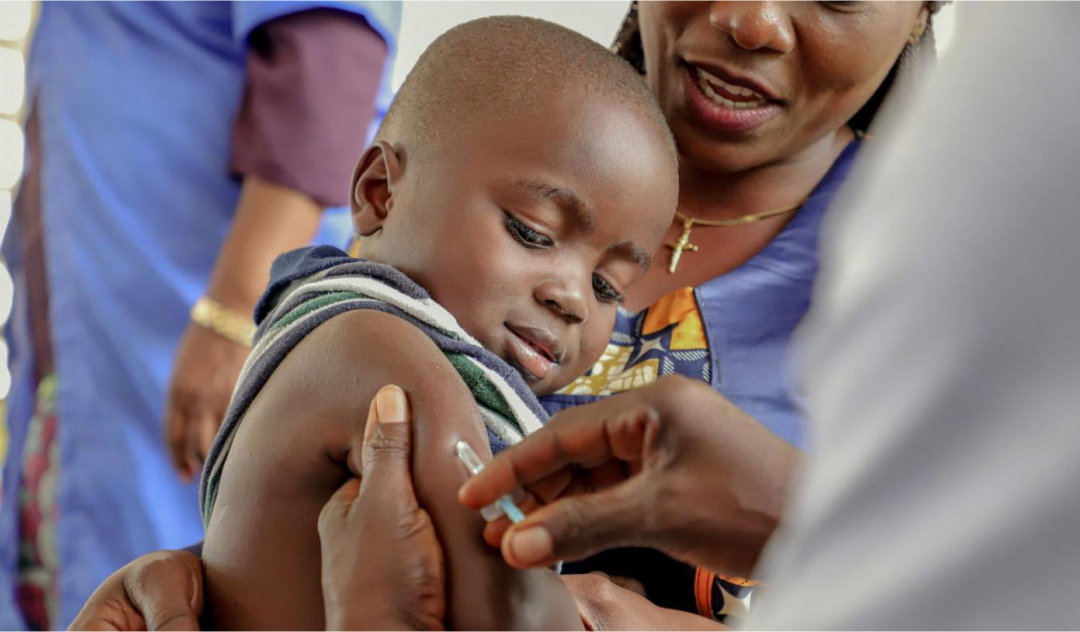
Sultan Foundation trains 200 mobilisers, targets 80,000 zero-dose children for immunisation in Zamfara
The project is being funded by Gavi, the Vaccine Alliance, supported by Mannion Daniels.
Heading 5
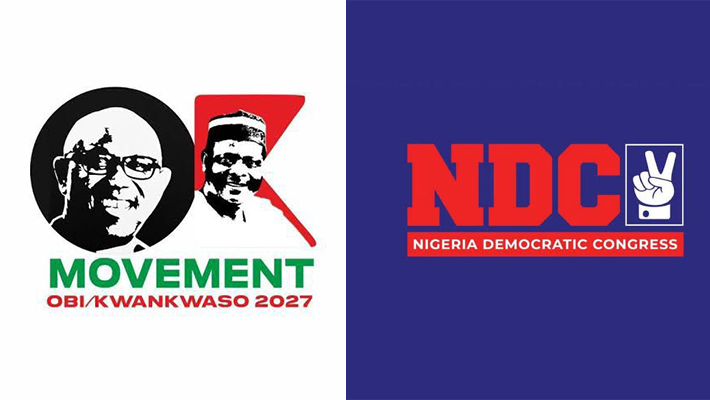
Crisis hits Obi-Kwankwaso campaign as OK Movement, NDC fight over structure
National secretary Saadatu Sani called on the NDC national chairman to withdraw statements considered defamatory and apologise to the OK Movement and Mr Ughulu.

States
Labour Party won’t participate in Oyo LG elections, says secretary
The party’s state general secretary, Fatai Ojetunde, said LP had participated in previous elections without seeing tangible outcomes.
Heading 1
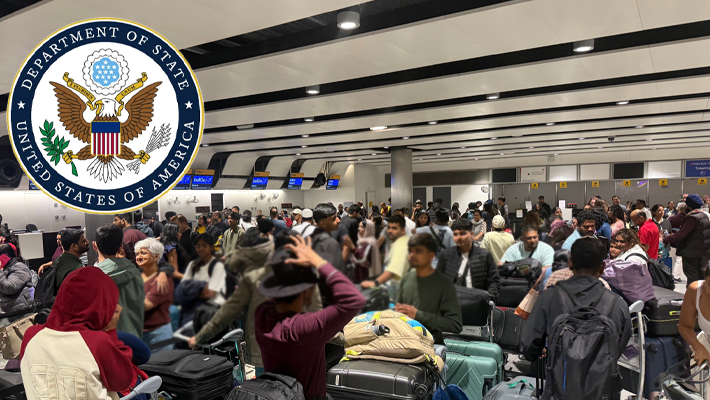
U.S. issues travel advisory to Americans over Iran-Middle East conflict
“Americans outside the Middle East should seriously reconsider travel to and through the region,” a Department of State travel advisory said.


