

WHO advocates more attention to violence against women with disabilities
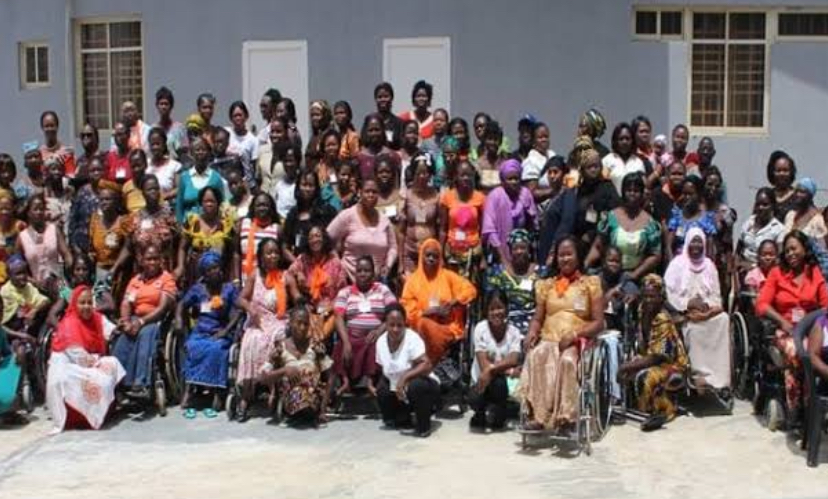
The World Health Organisation (WHO) says older women and women with disabilities face a particular risk of abuse, yet their situation is largely hidden in most global and national violence-related data.
The organisation said this in a statement on Wednesday, adding that the information is based on two new publications released on March 27.
It stated that “the health agency is calling for better research across countries that will help to ensure these women are counted, and that their specific needs are understood and addressed” and “where there is evidence on gender-based violence among these groups, data shows high prevalence.”
The global body also stated that one systematic review found greater risks of intimate partner violence for women with disabilities compared with those without, while another review found higher rates of sexual violence.
It quoted the organisation’s Technical Officer, Dr Lynnmarie Sardinha, as saying that “older women and women with disabilities are under-represented in much of the available research on violence against women.
“The under-representation undermines the ability of programmes to meet their particular needs,” it stated.
Ms Sardinha, who is also the UN special programme on human reproduction (HRP) for violence against women data and measurement,
and the author of the briefs said there was a need to understand such women.
“Understanding how diverse women and girls are differently affected, and how they access services, is critical to ending violence in all its forms,” she said.
According to her, intimate partner and sexual violence are the most common forms of GBV globally and affect around one in three women.
She said older women and women with disabilities are still subjected to these types of violence but also face specific risks and additional forms
of abuse, “sometimes in the hands of caregivers or healthcare professionals,” and “these include coercive and controlling behaviours such as withholding of medicines, assistive devices or other aspects of care, and financial abuse.”
The technical officer added that among women aged 60 years and older, a review conducted by WHO found that physical or sexual intimate
partner violence remained the most frequently experienced form of abuse.
She, however, said, “As partners aged, some women reported a shift from predominantly physical and sexual violence to psychological
violence, including threats of abandonment and other controlling behaviours.
“Older women and women with disabilities can be extremely isolated when violence occurs, making it difficult for them to escape and report the abuse.
“Stigma and discrimination can further reduce access to services or information, or result in their accounts of violence being dismissed by responders.”
(NAN)

We have recently deactivated our website's comment provider in favour of other channels of distribution and commentary. We encourage you to join the conversation on our stories via our Facebook, Twitter and other social media pages.

More from Peoples Gazette

States
Independence: NBA urges Nigerians to expect better future
The NBA said that ordinary Nigerians should be deriving benefit from the subsidy removal rather than hardship.

Agriculture
FG tasks ECOWAS on leveraging financing strategies for agroecology
The federal government has urged stakeholders in the agriculture and finance sectors in the West Africa region to leverage financing strategies to enhance agroecology practices

Politics
Katsina youths pledge to deliver over 2 million votes to Atiku
“Katsina State is Atiku’s political base because it is his second home.”

Abuja
Abuja civil servants back strike, say rising cost of living impoverishing families
FCT civil servants have backed a warning strike declared by public service workers over unresolved demands.

States
Ekiti rolls out 15 CNG-powered buses to cut transport fare
The governor said his administration would continue to take measures to reduce the economic burden on residents.
States
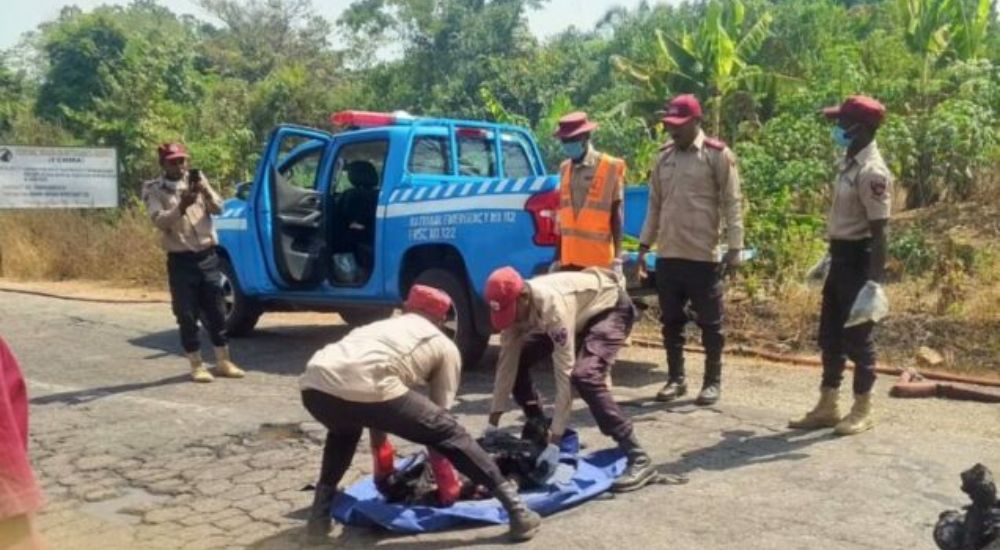
FRSC seeks stakeholders’ support for intelligence-driven safety operations
FRSC called for stronger stakeholders’ collaboration to improve road safety and reduce road crashes in Osun, Ondo and Oyo.
Rights
Alleged Cybercrime: Prosecution faults Sowore’s insistence on SSS boss testimony
Mr Sowore, the presidential candidate of the African Action Congress, is facing cybercrime charges.
Health
Enugu govt pledges stronger reproductive, maternal, neonatal health services
The Enugu government has pledged to intensify efforts to improve sexual, reproductive, maternal and neonatal health services.
Africa
Burkina Faso affirms Nigeria as natural partner for cooperation
Burkina Faso says Nigeria is a “natural partner” and major African player and has called for stronger economic cooperation.


