

WHO boss cautions against overreliance on vaccines as COVAX roll out 2 billion doses
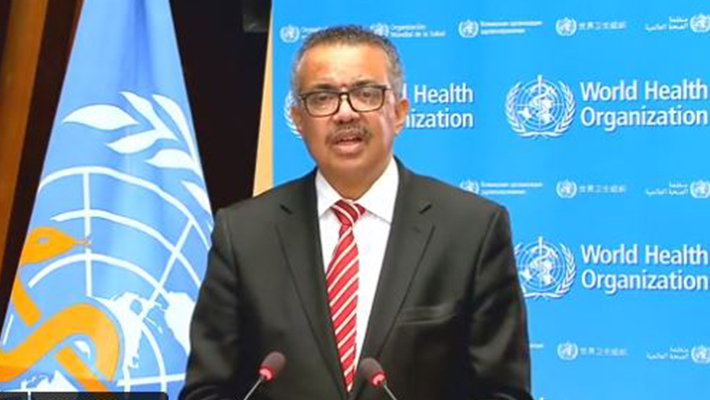
World Health Organisation head, Dr. Tedros Adhanom Ghebreyesus, Friday welcomed the news that the global vaccine partnership (COVAX) has lined up almost two billion doses of existing and candidate vaccines for use worldwide. He, however, warned that “The end of the pandemic is in sight but we must not let our guards down.”
The huge vaccine reservoir means that COVAX, a 190-country international initiative that seeks to ensure all countries have equal access to coronavirus vaccines, can plan to start delivering the shots in the first quarter of 2021.
A UN statement said by mid-year it will have delivered enough doses to protect health and social care workers in all participating countries that have asked to get doses in that timeframe.
All other participants should get sufficient doses to cover up to 20 per cent of their populations by the end of 2021, and further doses in 2022.
“This is fantastic news and a milestone in global health,” the WHO Director-General told reporters attending an online press conference.
“This is a time for taking comfort that the end of the pandemic is in sight, but taking care that we do not let down our guard. We are all responsible for taking the measures to keep ourselves and each other safe, including during this holiday season.
“With today’s news the light at the end of the tunnel has grown a little bit brighter, but we are not there yet. And we will only get there together,” he said.
The UN Children’s Fund, UNICEF, said it was ready to transport up to 850 tonnes of COVID-19 vaccines per month in 2021, more than twice its usual payload of vaccines. Most could be sent using existing commercial flights, but alternative options and charter flights would also be considered where necessary, it said.
“This is a mammoth and historic undertaking,” UNICEF Executive Director Henrietta Fore said. “The scale of the task is daunting, and the stakes have never been higher, but we are ready to take this on.”
With support of from the global vaccine alliance Gavi, UNICEF is procuring and supporting installation of 70,000 cold-chain fridges in lower income countries by the end of 2021, which will help in the roll out of COVID-19 vaccines that need to be stored at 2 to 8 degrees Celsius. Almost half of the fridges will be solar powered, UNICEF said.
It was important to understand that vaccines would complement, and not replace, the existing tools for slowing transmission of the virus and saving lives, Mr. Tedros said.
But vaccines were the key to stopping the disease, and as soon as the pandemic began, there was a risk that low-income countries would miss out on vaccines, which is why COVAX was formed, he added.
COVAX is part of the Access to COVID-19 Tools Accelerator (ACT Accelerator), a comprehensive plan to defeat the virus using diagnostics, therapeutics and vaccines.
On Tuesday, Mr. Tedros’ senior advisor, Bruce Aylward, called ACT Accelerator “the best deal in town”, saying that its $28 billion price tag would be repaid in full almost overnight because of the immediate economic uplift expected if the disease is tamed.
Mr. Tedros, who took over leadership of the WHO in 2017 on a promise to promote universal health coverage, said the vaccine must not be reserved only for a lucky few.
“Images of people receiving vaccines are giving us hope, but it must be hope for all not hope for some. For most of the past year, we have been talking to world leaders and vaccine developers to ensure that when his vaccines were available, they were available equitably to all countries.”
Before Friday’s announcement, COVAX had already lined up more than 1 billion doses of vaccines under development for 2021. The new announcement included an advance purchase agreement for 170 million doses of the AstraZeneca/Oxford candidate and a memorandum of understanding for 500 million doses of the Janssen candidate, which is currently being investigated as a single dose vaccine.
COVAX is co-led by the Coalition for Epidemic Preparedness Innovation (CEPI), Gavi, and the World Health Organization (WHO) – working in partnership with vaccine manufacturers, UNICEF, the World Bank, civil society organisations and others.

We have recently deactivated our website's comment provider in favour of other channels of distribution and commentary. We encourage you to join the conversation on our stories via our Facebook, Twitter and other social media pages.

More from Peoples Gazette

Agriculture
FG tasks ECOWAS on leveraging financing strategies for agroecology
The federal government has urged stakeholders in the agriculture and finance sectors in the West Africa region to leverage financing strategies to enhance agroecology practices

Politics
Katsina youths pledge to deliver over 2 million votes to Atiku
“Katsina State is Atiku’s political base because it is his second home.”

NationWide
Civilian JTF gets new commander-general
He said the purpose of establishing the CJTF was to bring peace and unity to the country.

States
Police nab three Bayelsa civil servants over alleged N500 million theft of govt equipment
Police said the suspects would be charged to court after the conclusion of investigations.

Heading 4
England beat France 6-4 to win 2026 World Cup bronze
Saka completed his hat-trick from the penalty spot in the 87th minute.
Africa
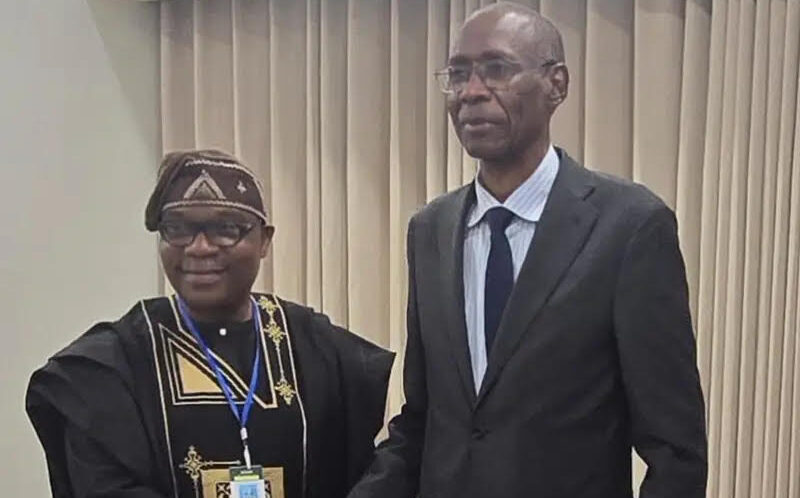
Nigeria, Senegal pledge to revive joint commission
Mr Enikanolaiye described the bilateral relations between Nigeria and Senegal as excellent.
![U.S. Mission[Credit: X.com]](https://gazettengr.com/wp-content/uploads/images-78-3.jpeg)
World
U.S. issues security alert to Americans worldwide as Iran kills two soldiers
The U.S. government issued a warning to all Americans worldwide amid the escalating war against Iran.

Heading 3
Tinubu’s scorecard is 139 million Nigerians in poverty; he should resign, not seek re-election: ADC
“The evidence of 139 million people living in poverty and 17 million at risk of starvation is President Tinubu’s scorecard,” the party said.


