

WHO deploys experts to Equatorial Guinea to combat Marburg outbreak
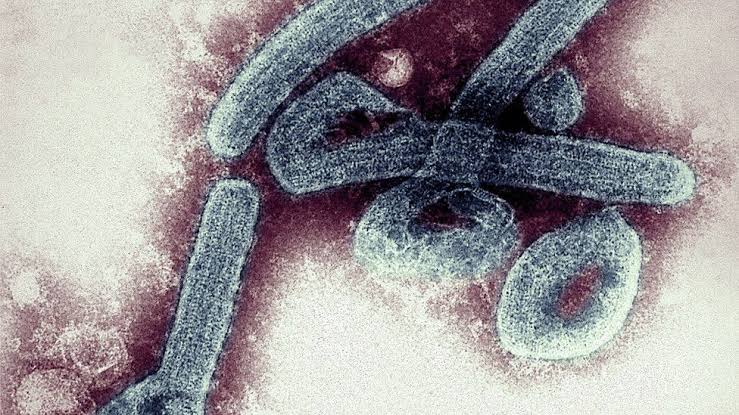
The World Health Organisation (WHO) has deployed experts to Equatorial Guinea following confirmation of the first-ever outbreak of Marburg virus disease in the country this week.
The country has so far reported nine deaths as well as 16 suspected cases of Marburg virus disease, with symptoms including fever, fatigue and blood-stained vomit and diarrhea.
The rare yet severe viral haemorrhagic fever is similar to Ebola and has a fatality rate of up to 88 per cent.
“Marburg is highly infectious. Thanks to the rapid and decisive action by the Equatorial Guinean authorities in confirming the disease, emergency response can get to full steam quickly.
“They can get to full stem quickly so that we save lives and halt the virus as soon as possible,” Dr Matshidiso Moeti, WHO Regional Director for Africa, said in a statement on Tuesday.
Meanwhile, WHO on Tuesday convened an urgent meeting of the Marburg virus vaccine consortium (MARVAC) to discuss the outbreak.
MARVAC includes leaders in the field of vaccine research and development, working together to develop vaccines against the disease.
The outbreak was confirmed following the deaths of nine people in Kie Ntem Province, located in western Equatorial Guinea. The deaths reportedly occurred between January 7 and February 7, according to media reports.
Health authorities sent samples to the Institut Pasteur reference laboratory in Senegal, with support from WHO, to determine the cause.
Eight samples were tested, one of which turned out positive.
Advance teams have been deployed in the affected districts to trace contacts, isolate and provide medical care to people showing symptoms of the disease.
Raped emergency response efforts are also underway, and WHO has dispatched health emergency experts in epidemiology, case management, infection prevention, laboratory and risk communication.
The UN agency is also facilitating the shipment of laboratory glove tents for sample testing as well as one viral haemorrhagic fever kit that includes personal protective equipment for use by 500 health workers.
Marburg virus is in the same virus family that causes Ebola.
It is transmitted to humans by fruit bats and spread through direct contact with the bodily fluids of infected people, surfaces and materials.
The disease was first detected in 1967 after simultaneous outbreaks in the German cities of Marburg and Frankfurt, and in Belgrade, Serbia.
Illness begins abruptly, with high fever, severe headache and severe malaise. Many patients develop severe haemorrhagic symptoms within seven days.
While there are no vaccines or antiviral treatments approved to treat the virus so far, rehydration with oral or intravenous fluids, and treatment of specific symptoms, improves chances of survival.
(NAN)

We have recently deactivated our website's comment provider in favour of other channels of distribution and commentary. We encourage you to join the conversation on our stories via our Facebook, Twitter and other social media pages.

More from Peoples Gazette

States
Independence: NBA urges Nigerians to expect better future
The NBA said that ordinary Nigerians should be deriving benefit from the subsidy removal rather than hardship.

Agriculture
FG tasks ECOWAS on leveraging financing strategies for agroecology
The federal government has urged stakeholders in the agriculture and finance sectors in the West Africa region to leverage financing strategies to enhance agroecology practices

Politics
Katsina youths pledge to deliver over 2 million votes to Atiku
“Katsina State is Atiku’s political base because it is his second home.”

Heading 3
2027: INEC to publish preliminary voter register online
The commission explained that it was continuing to process claims and objections arising from the exercise in accordance with the Electoral Act, 2026.

Heading 2
Human remains discovered along Switzerland-Germany border
Investigators suspect that it was a homicide.
States
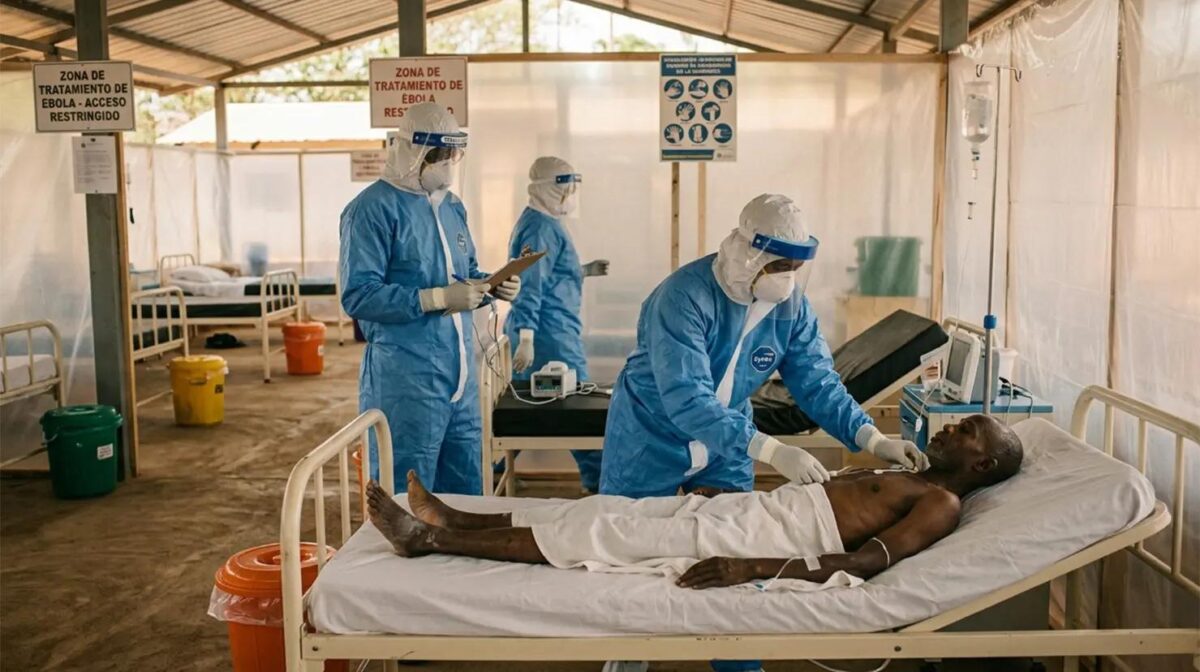
Ebola: Cross River trains 34 health workers
The commissioner said no Ebola case had been reported in the state at the time of the training.

Heading 4
Russia committed crimes against humanity in Ukraine, UN panel says
The UN panel said Russia violated the rights of recruits through deceptive employment practices.

World
Anthropic warns of catastrophic AI risks to humanity ahead of IPO
According to the company, these are risks, not inevitable outcomes.

Diaspora
U.S. forces capture wanted Lagos Yahoo Boy Adetunji Abudu six years after fleeing
The 34-year-old Lagos native was arrested on Monday at Logan Airport in Boston.


