

WHO DG tasks African leaders on health sovereignty at Accra Summit
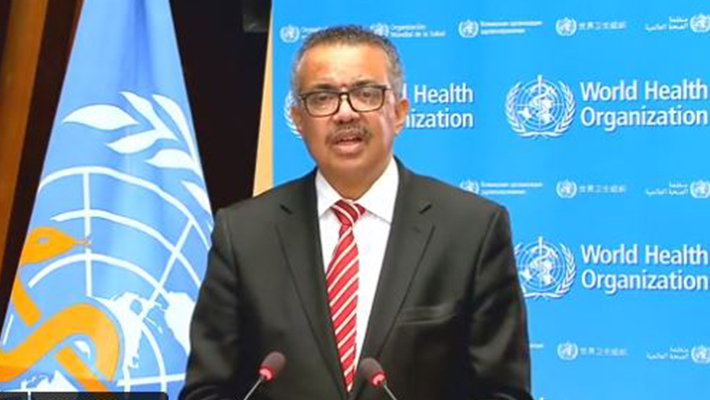
The director-general of the World Health Organization (WHO), Tedros Ghebreyesus, on Tuesday urged African leaders to shake off the yoke of aid dependency and invest in resilient, country-owned health systems.
Mr Ghebreyesus made the remarks on Tuesday at the Africa Health Sovereignty Summit in Accra, Ghana, convened under the ambitious Accra Initiative.
He commended President John Mahama of Ghana for his bold leadership in convening the summit and championing reforms aimed at increasing domestic health financing.
“This summit builds on the leadership of President Kagame and the African Union to strengthen reliance on domestic resources. But it goes a step further, acknowledging that finance alone will not take us to the aspirations of the Lusaka Agenda,” he said.
According to the WHO chief, the continent faces a health financing cliff as health aid declines drastically.
“Aid is projected to decline by up to 40 per cent this year compared to just two years ago.
“Life-saving medicines are sitting in warehouses, health workers are losing jobs, clinics are closing, and millions are missing care,” he warned.
Despite the crisis, he called on African leaders to seize the opportunity to transform, noting that the crisis presents an opportunity to embrace a new era of sovereignty, self-reliance, and solidarity.
He hailed Ghana’s recent reforms, including legislation to increase financing for its National Health Insurance Scheme, as a model of health sovereignty.
Mr Ghebreyesus stressed that while private and philanthropic capital are valuable, they must complement, not replace, public financing.
He also stressed the need for better utilisation of existing funds, revealing that up to 13 per cent of health budgets in low and middle-income countries go unspent due to weak financial systems.
To address these inefficiencies, he said the WHO is supporting governments with tools such as health taxes, public procurement, domestic manufacturing investment, and digital public health financial systems.
“We must also confront structural constraints. Debt service burdens are crowding out social investments, and donor funds often bypass national systems,” he added.
He cited staggering statistics to underscore Africa’s financial disadvantage: in 2023, the continent received $74 billion in aid but lost $90 billion to illicit financial flows and $55 billion through corporate tax exemptions.
“Africa lost more than it gained from aid. This is unacceptable,” he stated.
He championed health taxes as a practical solution, noting that a 50 per cent price increase on harmful products could generate $3.7 trillion globally in five years and save millions of lives.
On the global stage, the WHO DG stated that the organisation is advocating for a more democratic and equitable health architecture, referencing the recent landmark resolution at the World Health Assembly, led by Nigeria and co-sponsored by over 25 countries, including Ghana.
“Africa does not need charity. Africa needs fair terms,” he said
He echoed Ghana’s first president, Kwame Nkrumah: “We are not interested in handouts. We seek a new international order in which health and development are global rights, not privileges for the few.”
Mr Ghebreyesus added with a rallying call for global and continental leadership: “The difference between crisis and opportunity is leadership.
“It’s an investment to be nurtured, in people, in stability, and prosperity,” he said.
The Accra Health Sovereignty Summit will continue this week with sessions aimed at developing actionable strategies to deliver on the Lusaka Agenda and establish a new global health order anchored in African leadership, accountability, and sustainability.
(NAN)

We have recently deactivated our website's comment provider in favour of other channels of distribution and commentary. We encourage you to join the conversation on our stories via our Facebook, Twitter and other social media pages.

More from Peoples Gazette

Agriculture
FG tasks ECOWAS on leveraging financing strategies for agroecology
The federal government has urged stakeholders in the agriculture and finance sectors in the West Africa region to leverage financing strategies to enhance agroecology practices

Politics
Katsina youths pledge to deliver over 2 million votes to Atiku
“Katsina State is Atiku’s political base because it is his second home.”
Heading 1
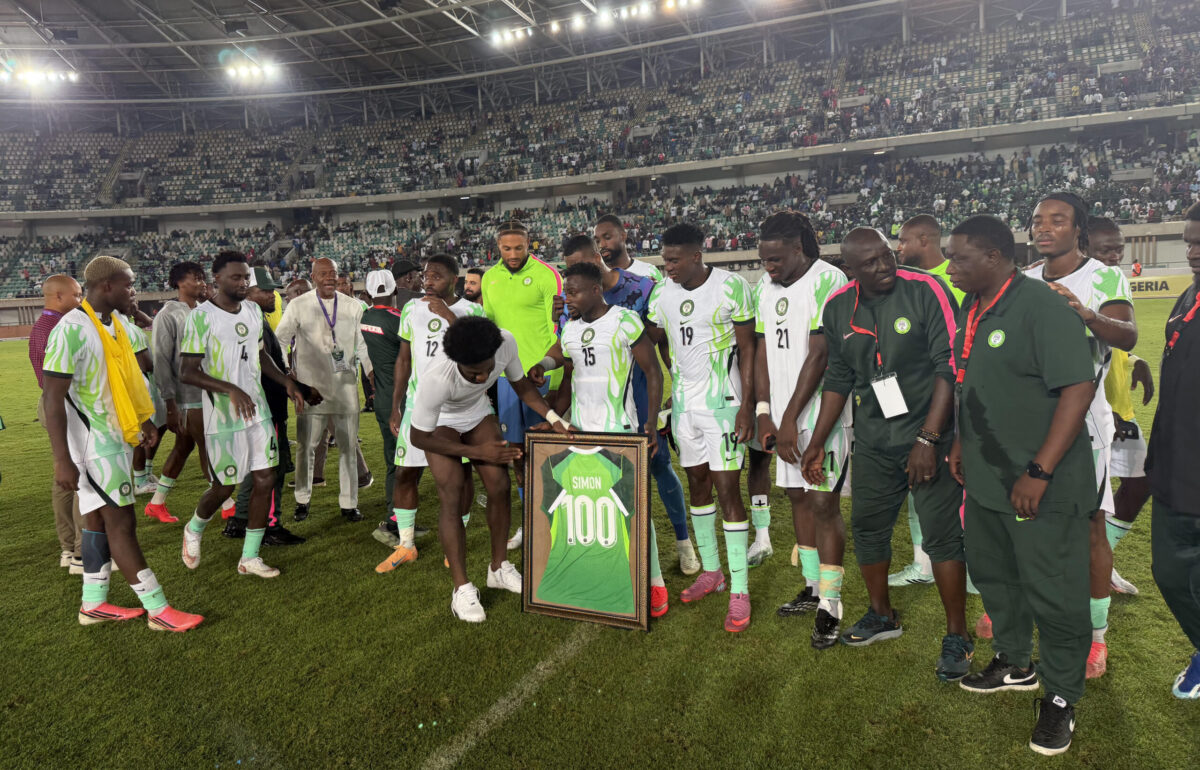
Wife cheers as Moses Simon joins Super Eagles’ 100-cap club after Madagascar win
The Paris FC winger became the fifth player to play 100 times for the Super Eagles after Ahmed Musa, Vincent Enyeama, Joseph Yobo and Alex Iwobi.
Heading 5
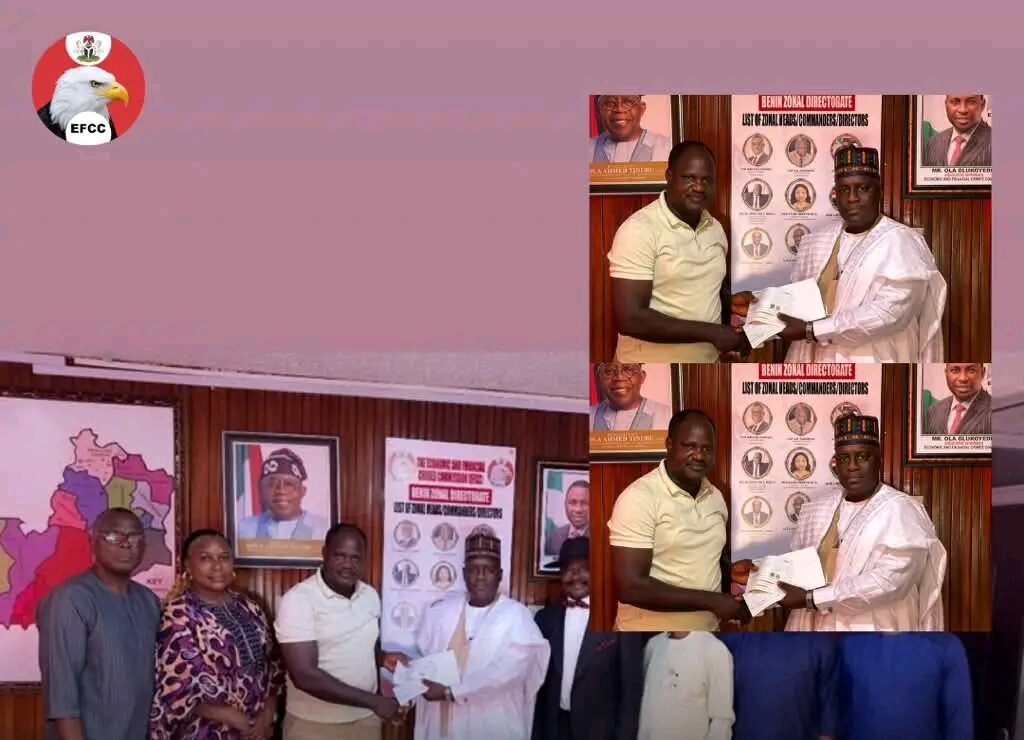
EFCC returns N84 million to businessman duped in Edo land deal
The EFCC said, “During investigation, it was discovered that Abraham transferred the money to Eborome but she diverted the money for her personal use.”

NationWide
Prioritise data protection, NDPC urges women tech entrepreneurs
Mr Olatunji said strong data protection could safeguard individuals.

NationWide
Fashion entrepreneur, others task youths on skills acquisition for self-reliance
Mr Obi called for government support and funding for young entrepreneurs.

States
APC governorship candidate unveils plans to transform Ogun
Mr Adeola spoke on Friday during an interactive session with journalists at the NUJ secretariat in Abeokuta.
States
Independence: Sanwo-Olu advises Nigerians to unite for national growth
The governor stressed that national development could not be left to government alone.


