

WHO to rename monkeypox
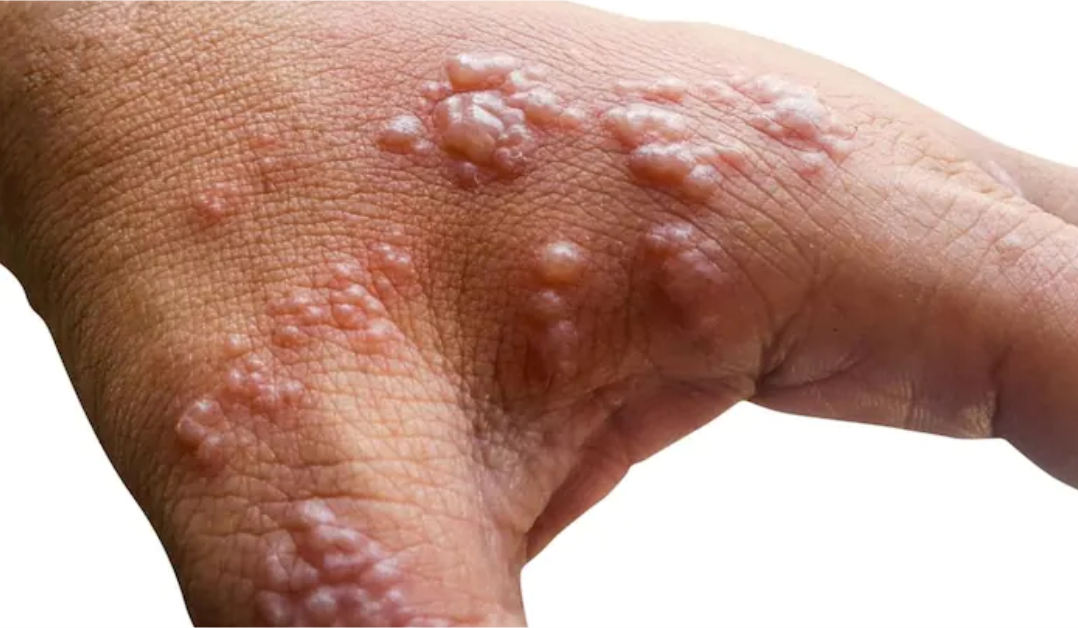
The World Health Organisation (WHO) says it is working with partners on renaming monkeypox and its variants, and also to put in place a mechanism to help share available vaccines, more equitably, as the need arises.
WHO director-general Tedros Ghebreyesus disclosed this at a news conference on Tuesday in Geneva.
He said WHO had published guidelines on vaccination against monkeypox and also published recommendations for governments regarding case detection and control of the disease.
Speaking to journalists in Geneva, WHO smallpox expert, Rosamund Lewis, said it was crucial to raise awareness in the population about the level of risk and explain the recommendations to avoid infecting close contacts and family members.
Ms Lewis explained that although the disease sometimes only produced mild symptoms, such as skin lesions, it could be contagious for two to four weeks
“We know that it is very difficult for people to isolate themselves for so long, but it is very important to protect others. In most cases, people can self-isolate at home and there is no need to be in the hospital,” explained Ms Lewis.
Monkeypox is transmitted through close physical contact with someone who has symptoms. The rash, fluids, and scabs are especially infectious. Cloths, bedding, towels, or objects such as eating utensils or dishes that have been contaminated with the virus can also infect others.
However, it is not clear whether people who do not have symptoms can spread the disease, the expert reiterated.
While some countries have maintained strategic supplies of older smallpox vaccines – a virus eradicated in 1980 – these first-generation vaccines held in national stockpiles are not recommended for monkeypox at this time.
This is because they do not meet the current safety and manufacturing standards.
Newer and safer (second and third generation) smallpox vaccines are also available, some of which may be useful for monkeypox and one of which (MVA-BN) has been approved for the prevention of the disease.
According to the UN health agency, the supply of these new vaccines is limited, and access strategies are being discussed.
“At this time, the WHO does not recommend mass vaccination. Decisions about the use of smallpox or monkeypox vaccines should be based on a full assessment of the risks and benefits in each case,” the guidelines noted.
For the contacts of sick patients, post-exposure prophylaxis with a second- or third-generation vaccine is recommended, ideally within four days of first exposure to prevent disease onset.
Pre-exposure prophylaxis is recommended for healthcare workers at risk, laboratory personnel working with orthopoxviruses, clinical laboratory personnel performing diagnostic tests for monkeypox, and others who may be at risk.
Ms Lewis explained that most of the data on the smallpox vaccine was old or from animal studies.
“There aren’t a lot of [current] clinical studies,” she added.
WHO underlined the importance of the vaccination programme being supported by comprehensive surveillance and contact tracing, and accompanied by information campaigns and robust “pharmacovigilance,” ideally with collaborative studies on vaccine efficacy.
(NAN)

We have recently deactivated our website's comment provider in favour of other channels of distribution and commentary. We encourage you to join the conversation on our stories via our Facebook, Twitter and other social media pages.

More from Peoples Gazette

States
Independence: NBA urges Nigerians to expect better future
The NBA said that ordinary Nigerians should be deriving benefit from the subsidy removal rather than hardship.

Agriculture
FG tasks ECOWAS on leveraging financing strategies for agroecology
The federal government has urged stakeholders in the agriculture and finance sectors in the West Africa region to leverage financing strategies to enhance agroecology practices

Politics
Katsina youths pledge to deliver over 2 million votes to Atiku
“Katsina State is Atiku’s political base because it is his second home.”


Sport
Chelle invites 31 players ahead of U-23 AFCON qualifier against DR Congo
The team list was posted on the Super Eagles’ X handle on Thursday.
Rights
Alleged Christian Genocide: Nigeria awaits UN verdict on religious freedom
The forthcoming report is expected to provide the expert’s assessment and recommendations after examining religious freedom in Nigeria.
States
Kaduna-Kano Rail: FG assures Zaria residents of compensation
The transport ministry’s permanent secretary gave the assurance on Thursday during a courtesy visit to the Emir of Zazzau, Ahmad Bamalli, at his palace.

Hot news Home top
Nollywood actor Francis Duru dies at 57, AGN mourns
The actor’s family broke the news of his death.
Heading 2
U.S. warns Americans of insecurity as France prepares for weekend protests
In a security alert on Thursday, the embassy said protests were planned for Saturday and Sunday and warned that demonstrations could turn violent and disrupt movement.


