

WHO unveils unified Ebola, Marburg care guidelines amid DRC outbreak
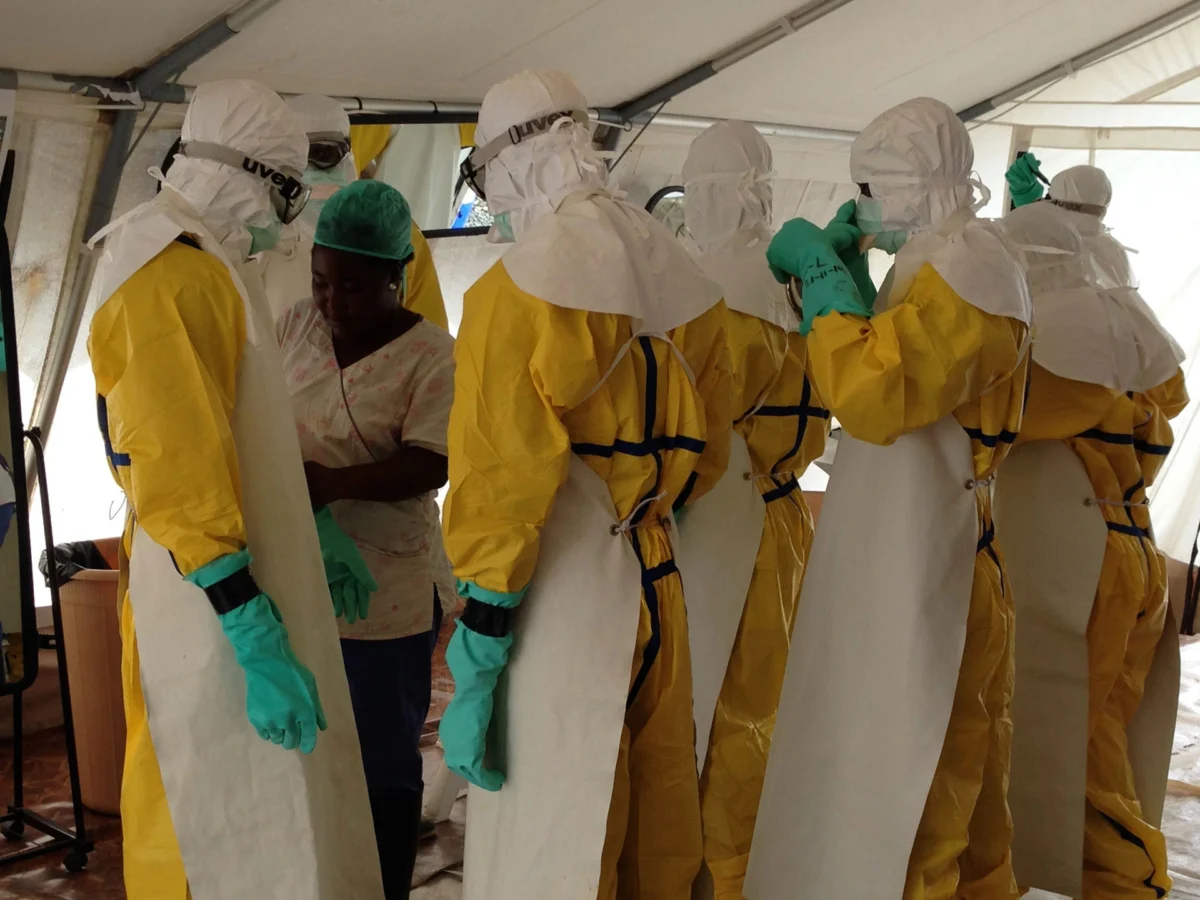
The World Health Organisation has issued its first comprehensive clinical guidelines for filovirus diseases as the Democratic Republic of the Congo battles an Ebola outbreak caused by the Bundibugyo virus.
WHO said in a statement on Wednesday that the new guidelines covered all Ebola and Marburg virus diseases in a single document and provided 16 evidence-based recommendations to improve patient outcomes.
According to the organisation, the guidelines focus on early supportive care and standardised treatment approaches, which are critical during outbreaks, in which case fatality rates can range from 25 to 90 per cent.
The organisation said the ongoing Ebola outbreak in Bundibugyo, Democratic Republic of the Congo, underscored the urgency of establishing consistent and effective clinical management protocols.
“Guidelines aim to help health workers manage patients consistently, while giving facility managers and policymakers a framework to plan supplies, equipment, lab support, and staffing for filovirus outbreaks.
“Developed through global expert consultations using the latest scientific evidence and lessons from recent Ebola and Marburg outbreaks, WHO turned field experience into practical bedside protocols,” the statement said.
WHO said early supportive care remained the foundation of treatment, including rapid rehydration, management of dehydration and shock, close monitoring and treatment of complications during infection.
The organisation said that the recommendations prioritised prompt treatment of dehydration using oral and intravenous fluids, alongside early use of vasoactive drugs for shock guided by clinical indicators.
“Use targeted clinical lab tests to catch and treat reversible problems like hypoglycaemia and metabolic disturbances before they worsen. If bacterial infections or sepsis are present, WHO advises starting appropriate antibiotics immediately alongside filovirus management. Frontline workers are urged to identify signs of clinical deterioration early and increase monitoring to intervene before organ failure develops,” it said.
WHO added that the guidelines include structured follow-up for survivors to support long-term recovery and prevent complications associated with viral persistence after infection.
The organisation said Africa had recorded 72 Ebola and Marburg outbreaks since the Marburg virus was first identified in 1967, with significant social, economic and psychological consequences for affected communities.
It explained that while previous guidance focused specifically on Ebola virus disease, the new document is the first to provide a unified clinical framework covering all Ebola virus species and Marburg disease.
WHO director-general Tedros Ghebreyesus said the guidelines demonstrated how scientific evidence could be translated into practical measures to improve outbreak response and patient care.
“These new guidelines are a perfect example of how WHO leverages science to better protect and care for people during outbreaks,” Mr Ghebreyesus said.
He described the Ebola outbreak in the Democratic Republic of the Congo as “a stark reminder” of the importance of delivering holistic, person-centred care during public health emergencies.
WHO urged governments and health authorities to integrate the 16 recommendations into preparedness and outbreak response plans to ensure high-quality care and preserve the dignity of all filovirus patients.
(NAN)

We have recently deactivated our website's comment provider in favour of other channels of distribution and commentary. We encourage you to join the conversation on our stories via our Facebook, Twitter and other social media pages.

More from Peoples Gazette

Agriculture
FG tasks ECOWAS on leveraging financing strategies for agroecology
The federal government has urged stakeholders in the agriculture and finance sectors in the West Africa region to leverage financing strategies to enhance agroecology practices

Politics
Katsina youths pledge to deliver over 2 million votes to Atiku
“Katsina State is Atiku’s political base because it is his second home.”
Abuja
Rehabilitated female ex-inmates reject stigma, seek support
Ex-inmates of the Medium Security Custodial Centre, Suleja, have sought support for rehabilitated ex-convicts.

Africa
Nigeria’s North-West stability crucial to West Africa, Sahel, says UN
UN deputy secretary-general Amina Mohammed says restoring peace in Nigeria’s North-West geopolitical zone has implications far beyond Nigeria.
Africa
Nigeria advises African leaders to stop exporting continent’s mineral wealth
Vice-President Kashim Shettima has urged African countries to stop exporting Africa’s mineral wealth and turn it into jobs and industrial growth.

States
Police nab four suspects for alleged child trafficking in Abia
Ms Chinaka said the suspects allegedly conspired to steal a four-day-old baby from her mentally unstable mother.
Agriculture
Enugu hires over 160 professionals to revive livestock production
Mr Ubru said the recruitment was in fulfilment of Governor Peter Mbah’s vision to revamp the agricultural sector.

Heading 2
Plateau government disburses N1.5 billion intervention funds to attack victims
Governor Caleb Mutfwang formally inaugurated the disbursement of the funds on Monday in Jos.


