

WHO urges support for science to advance health care
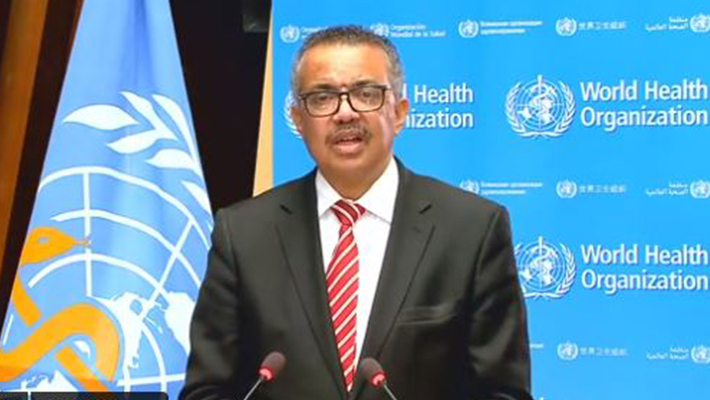
The World Health Organisation has called on people everywhere to renew their commitment to working together and supporting science as the twin engines driving better health.
WHO also calls on governments, institutions, and individuals to continue supporting and collaborating on science and to ensure that evidence-based approaches guide health policies and everyday decisions.
WHO stated this in a statement to mark the 2026 World Health Day. The campaign marks the anniversary of the WHO’s founding on April 7, 1948, introducing a year-long public health campaign.
Every year on April 7, the world marks World Health Day—a day dedicated to raising awareness about global health issues and promoting healthier living for all people.
According to the WHO, human health has been profoundly transformed over the past century, largely due to scientific progress and international collaboration.
“The global maternal mortality rate has fallen by more than 40 per cent since 2000, and deaths among children under five have been reduced by over 50 per cent.
“Advances in technology, scientific knowledge and skills, and collaboration between different disciplines, sectors and countries continue to turn once-life-threatening health challenges—such as elevated blood pressure, cancer diagnoses or HIV infection—into manageable health issues, extending and improving lives worldwide,” said the statement.
Yet, WHO stated that health threats continue to grow, fuelled by climate impacts, environmental degradation, geopolitical tensions and shifting demographics, noting that these challenges include persistent diseases and strained health systems as well as emerging diseases with epidemic or pandemic potential.
Across the globe, it stated that thousands of scientists—together with organisations such as WHO—are accelerating research and developing policies, tools and innovations needed to protect communities today and safeguard the health of future generations.
“Science is one of humanity’s most powerful tools for protecting and improving health,” said WHO director-general, Tedros Ghebreyesus. “People in every country live longer and healthier lives on average today than their ancestors did, thanks to the power of science.
He added, “Vaccines, penicillin, germ theory, MRI machines and the mapping of the human genome are just some of the achievements that science has delivered that have saved lives and transformed health for billions of people.”
According to WHO, scientific innovations are most powerful when they are widely adopted and used, and every success in improving human health reflects the collective work and collaboration of scientific organisations, policy-makers, health workers and the public.
The UN health agency noted that before modern anaesthesia, surgery meant unimaginable pain. Today, safer medicines, affordable technologies and trained specialists allow life-saving operations to be performed while patients sleep comfortably.
It said scientific progress had helped democratise these advances, making safe surgical care accessible worldwide, including in many resource-limited communities.
It also noted that over the past 50 years, global immunisation efforts had saved over 154 million children from infectious diseases, and vaccines had contributed to a 40 per cent reduction in infant mortality, with just one vaccine—the measles vaccine—saving over 90 million children.
It further noted that progress in early screening technologies is transforming health outcomes. From electronic blood pressure monitors to breast cancer screening through mammography, these tools have become life-saving interventions for millions.
(NAN)

We have recently deactivated our website's comment provider in favour of other channels of distribution and commentary. We encourage you to join the conversation on our stories via our Facebook, Twitter and other social media pages.

More from Peoples Gazette

States
Independence: NBA urges Nigerians to expect better future
The NBA said that ordinary Nigerians should be deriving benefit from the subsidy removal rather than hardship.

Agriculture
FG tasks ECOWAS on leveraging financing strategies for agroecology
The federal government has urged stakeholders in the agriculture and finance sectors in the West Africa region to leverage financing strategies to enhance agroecology practices

Politics
Katsina youths pledge to deliver over 2 million votes to Atiku
“Katsina State is Atiku’s political base because it is his second home.”

States
Gunmen invade Plateau communities, kill three persons
Mr Tengwong said Jol village was also attacked at around 12:10 a.m. the same day.

States
Kano sets April 2027 deadline to clear retirees’ gratuity backlog
Mr Yusuf revealed that the administration was introducing a digital system to eliminate bureaucratic bottlenecks.

States
Gombe CP presents N21.2 million cheques to families of 53 deceased officers
Mr Chuso expressed his heartfelt condolences to the families of the late officers.

States
Police kill two suspected kidnappers, nab cultist in Delta
Mr Edafe said the team engaged the suspects in a fierce gun battle.

Diaspora
Canada arrests eight Nigerians running transnational car theft ring
Police said the operation led to the recovery of 96 stolen vehicles valued at 4.5 million Canadian dollars.

World
U.S. banks suffer widespread service disruptions
The cause of the service outage has yet to be ascertained.


