

Why oil exploration is not solution to Africa’s development: Nnimmo Bassey

A renowned environmentalist, Nnimmo Bassey, says oil extractions in Africa have caused decades of environmental degradation and disruption of livelihoods rather than benefitted the local economy.
Mr Bassey stated this in Dubai shortly after screening a documentary on the continuous burning of fire on the Ororo oil well in Ondo for the past three years. The activist said the fire harmed the marine ecosystem and disrupted nearby communities’ fishing and other economic activities.
Although billions of dollars have come to Africa through oil and gas, Mr Bassey said the suffering of the people due to the induced environmental crisis outweighed the benefits.
“If you look at the environment and the lives of the people and count the cost that people have had to suffer because of oil extractions, you find out that the equation is negative.
“It is a deficit economy. So now, we can invest in renewable energy and clean-up, that will create a lot of jobs and will tackle the issue of unemployment on the continent. So that is the direction we should go, rather than digging deeper,” added Mr Bassey.
On the way to move the economy forward on the continent, the renowned environmental activist said Nigeria, for instance, was a richer country before oil for its agricultural potential.
“We had a better education system, we had infrastructure, better social services, better agriculture and the regions were more independent, and Nigerians were co-hold ahead of better and good forex exchange,” said Mr Bassey, the executive director of Home of Mother Earth Foundation (HOMEF).
He added, “If we look back from where we are coming from, no matter how far we have gone in a wrong direction, it is not too late to retrace our steps.”
Sharing the same view, Salome Nduta, a Kenyan environmentalist, called for solidarity with the residents of the affected communities in seeking an end to the environmental issues.
“Once we accept this is our problem, we join in solidarity. Because I have watched, I should say I have not watched alone,” said Ms Nduta. “I should think of what I can do at a personal level. We need to constantly speak on behalf of the communities suffering from this.”
(NAN)

We have recently deactivated our website's comment provider in favour of other channels of distribution and commentary. We encourage you to join the conversation on our stories via our Facebook, Twitter and other social media pages.

More from Peoples Gazette

States
Independence: NBA urges Nigerians to expect better future
The NBA said that ordinary Nigerians should be deriving benefit from the subsidy removal rather than hardship.

Agriculture
FG tasks ECOWAS on leveraging financing strategies for agroecology
The federal government has urged stakeholders in the agriculture and finance sectors in the West Africa region to leverage financing strategies to enhance agroecology practices

Politics
Katsina youths pledge to deliver over 2 million votes to Atiku
“Katsina State is Atiku’s political base because it is his second home.”

Sport
U-17 Women’s World Cup: “Flamingos were stronger, faster”, Japan coach on loss in final
Nigeria defeated Japan 2-1.
Lagos
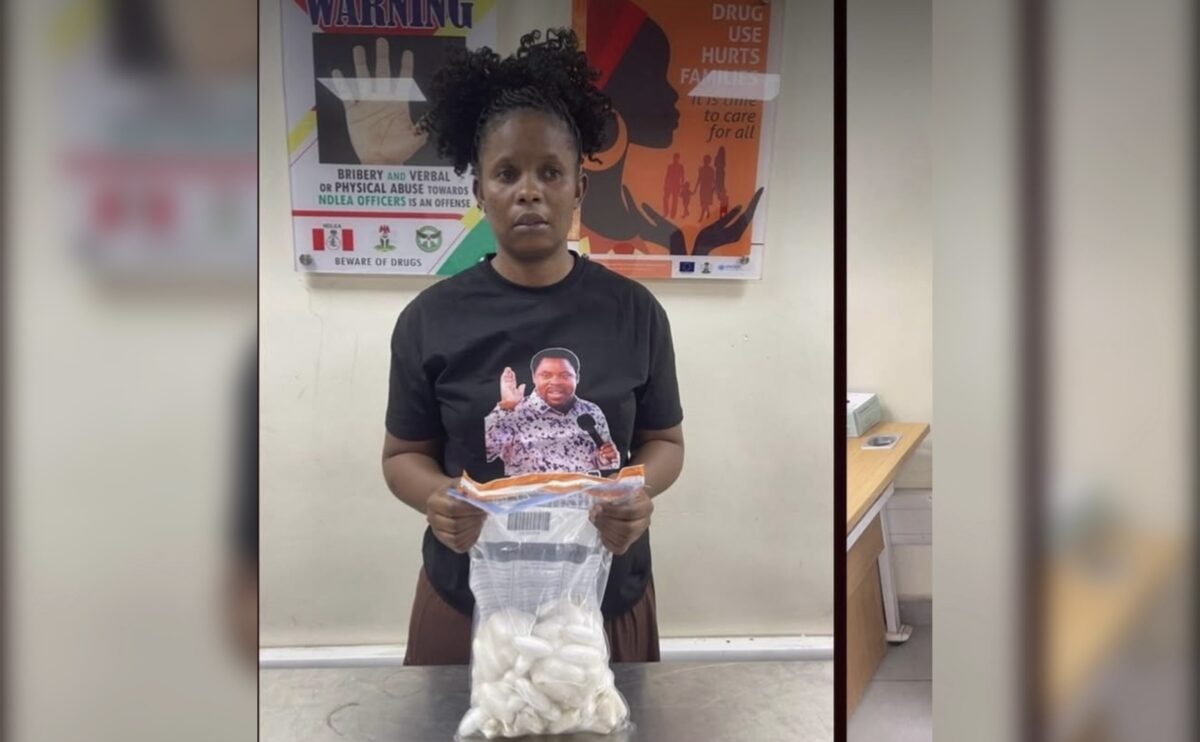
Ugandan woman nabbed with 87 cocaine wraps while departing Nigeria after attending Synagogue church crusade
NDLEA said the suspect arrived in Nigeria on October 29, 2026.

Lagos
Accident victims hospitalised after two buses collide in Lagos
LASTMA said the vehicle plunged into the opposite lane before ramming into a Coaster bus.

NationWide
Hackers breached Nigerian Army’s official X account, access recovered: Spokesperson
The army said the recovery underscored the army’s commitment to safeguarding its digital communication platforms.

Lagos
Lagos: One dead as truck overturns in Gbagada
Mr Bakare-Oki warned operators of heavy-duty vehicles and commercial transporters to embrace responsible driving practices.
Anti-Corruption
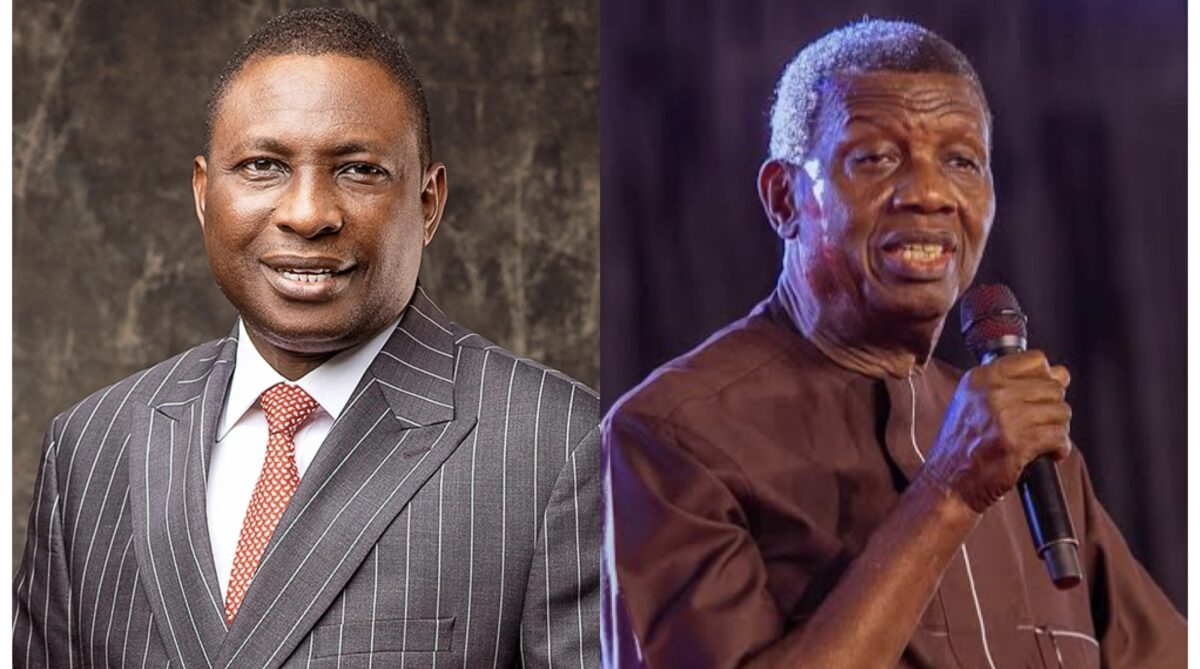
Adeboye ordered RCCG to return billions in suspected illicit funds traced to church, says EFCC chairman
The EFCC chairman said some wealthy individuals and politicians had been using churches to conceal proceeds of corruption.


