

Women hold key to Africa’s maritime future, says IMO chief
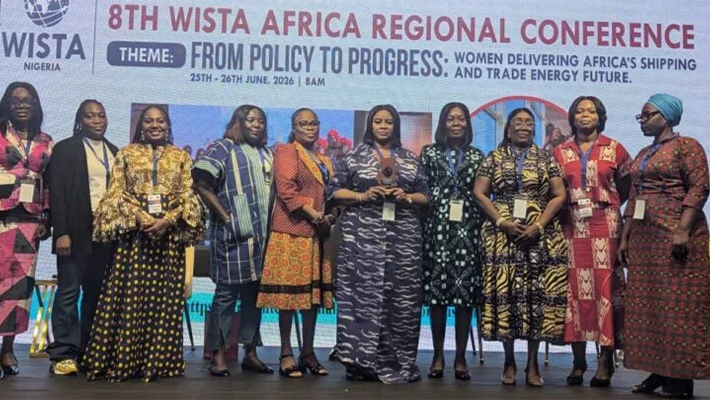
The future of Africa’s shipping, trade and energy sectors will be shaped by women across the maritime industry. The International Maritime Organisation secretary-general, Arsenio Dominguez, stated this on Monday in Lagos.
He spoke at the ‘From Policy to Implementation: Women Advancing Africa’s Blue Economy’ conference. The event was organised by the Women’s International Shipping and Trading Association (WISTA) Africa.
Mr Dominguez described the conference as a “call to action” for women-led maritime transformation. He pledged IMO support for advancing women’s participation across Africa’s maritime sector.
The IMO chief rejected token inclusion, describing gender equality as essential to a resilient industry. He said full participation must extend from “bridge to boardroom and policy chambers”.
Mr Dominguez noted that Africa’s coastline and exclusive economic zones contain vast maritime resources, saying women are “driving, shaping and leading” Africa’s maritime future.
According to him, fisheries, ports and energy resources remain crucial to sustainable trade. The IMO is partnering with WISTA chapters to deliver practical commitments across Africa.
Mr Dominguez told Nigerian women that the blue economy was being built now. He encouraged them to take leadership roles in creating a safer industry.
A former Nigerian Maritime Administration and Safety Agency director-general, Dakuku Peterside, called for action.
Mr Peterside urged African countries to match maritime policies with investments and implementation, saying women must lead in ports, fleets, and trade infrastructure development.
“Africa is not short of policies. The deficit lies between ratification and outcomes,” he said, stressing that women’s inclusion was vital for efficient ports and regional trade.
Mr Peterside urged administrations to measure job creation, freight reduction and trade growth. He advocated smart ports, decarbonisation and regional corridors to create opportunities. He listed five priorities, including implementation, facilitation, productivity and regional cooperation.
Mr Peterside warned that net-zero regulations would reshape vessels and shipping costs. He urged countries to modernise ports, train seafarers, and empower women.
WISTA International’s general secretary, Jemilat Mahamah, backed stronger inclusion policies, urging maritime authorities to support women entering and remaining in the sector. She called for safer workplaces and zero tolerance for harassment. She advocated for clear career pathways from entry-level to leadership positions.
Ms Mahamah also urged stronger technical training through maritime institutions, saying diverse companies achieve greater profitability, creativity and problem-solving capacity.
WISTA Nigeria’s president, Odunayo Ani, highlighted the association’s achievements, adding that WISTA had promoted excellence, leadership and capacity development for 32 years.
She said the group had mentored professionals and created knowledge platforms.
She added that scholarships and leadership programmes were empowering future maritime leaders.
Ms Ani stressed that implementation must replace declarations across Africa’s maritime sector.
Maritime lawyer Jean Chiazor Anishere urged regulatory reforms. She called for harmonised rules, green ports and stronger institutions. Ms Anishere said fragmented regulations increased costs and limited fleet expansion. She advocated renewable energy, smart technologies and sustainable port systems.
She warned that limited green finance could slow Africa’s maritime transition, urging investment in cleaner vessels, skills and sustainability reporting.
The Oniru of Iru, Oba Abdulwasiu Lawal, described Lagos as a maritime gateway, saying the city is well-suited for blue-economy investment discussions. Mr Lawal said women’s leadership had become a business necessity. He noted that inclusion would improve shipping, logistics and trade competitiveness.
NIMASA’s director-general, Dayo Mobereola, highlighted the blue economy’s value.
Mobereola said Africa’s blue economy was worth more than $300 billion annually. He noted that women remained underrepresented in maritime employment, urging governments and operators to prioritise skills and innovation.
Lagos House of Assembly’s deputy speaker, Mojisola Meranda, called for greater inclusion. She said economic transformation depended on female participation in maritime leadership.
Ms Meranda cited the IMO-WISTA survey on women’s global representation in the maritime sector. She urged investment in training, mentorship and financing for women.
(NAN)

We have recently deactivated our website's comment provider in favour of other channels of distribution and commentary. We encourage you to join the conversation on our stories via our Facebook, Twitter and other social media pages.

More from Peoples Gazette

Agriculture
FG tasks ECOWAS on leveraging financing strategies for agroecology
The federal government has urged stakeholders in the agriculture and finance sectors in the West Africa region to leverage financing strategies to enhance agroecology practices

Politics
Katsina youths pledge to deliver over 2 million votes to Atiku
“Katsina State is Atiku’s political base because it is his second home.”

NationWide
Troops rescue seven kidnap victims, kill two kidnappers
The troops also recovered arms, ammunition and other items in coordinated operations across Borno, Yobe, Benue and Plateau states.

Economy
Fuel price uncertainty forced marketers to halt supply temporarily: IPMAN
The Independent Petroleum Marketers Association of Nigeria (IPMAN) says uncertainty over petrol prices has forced many marketers to halt fresh purchases, leading to the temporary closure of some filling
Economy
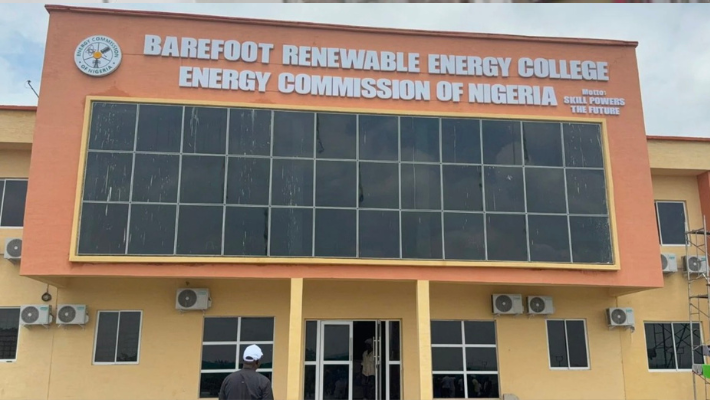
Tinubu committed to investment in renewable energy, says presidential aides
He said Mr Tinubu is committed to investments in renewable energy development, human capital empowerment, clean energy innovation, and Nigeria’s Energy Transition Plan.

Agriculture
Flooding may raise vegetable prices, Lagos farmers warn
“If we sold vegetables at lower prices before, they will now become more expensive because farmers must recover their losses,” she said.
States
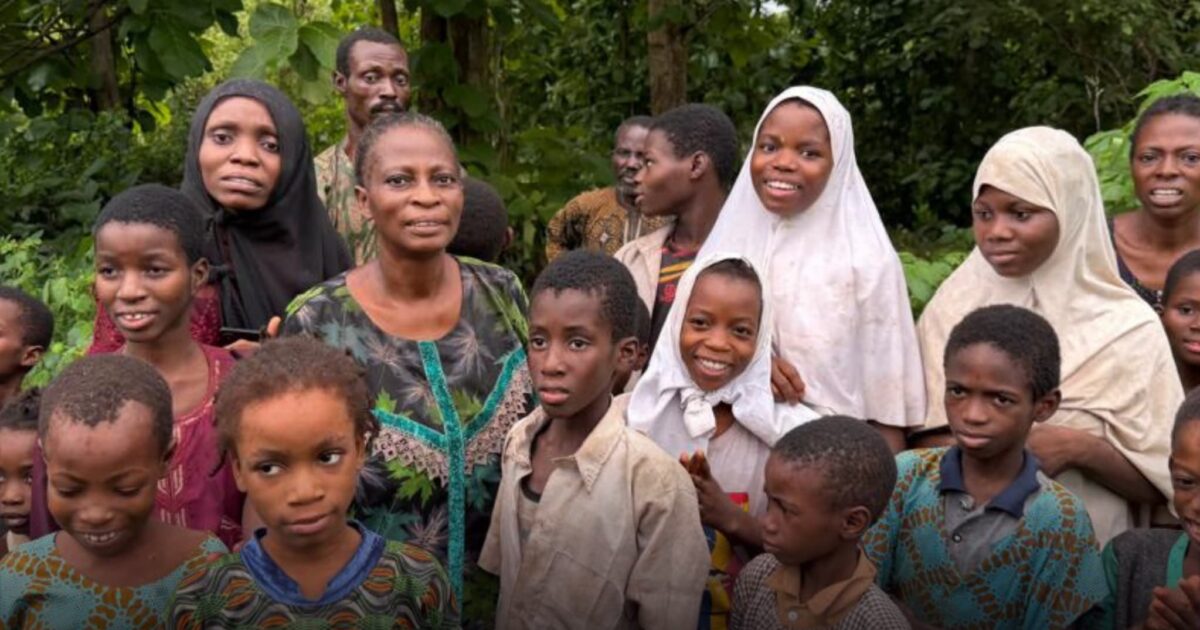
Oyo Abduction: Freed teacher says terrorists released victims before security operatives arrived
Abducted on May 15, the Oyo schoolchildren and their teachers were freed on June 10, after 56 days in captivity.
States
Residents lament deplorable road in Ondo community, seek government intervention
Residents of the agrarian community described the road as a death trap.


