

World Bank says changes in farm practices can cut greenhouse emissions by one-third
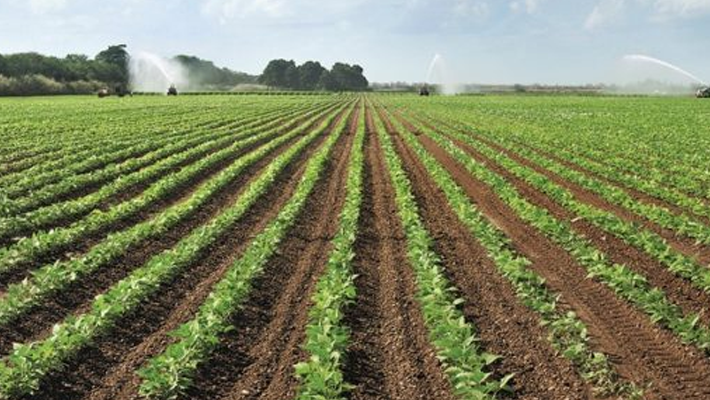
A new World Bank report says changes in farm and food production methods can cut greenhouse emissions by a third by 2030.
The World Bank disclosed this in a report released on Tuesday titled ‘Recipe for a Livable Planet: Achieving Net Zero Emissions in the Agrifood System’, which outlined actions that every country could take.
According to the report, the global agrifood system presented a huge opportunity to cut almost a third of the world’s greenhouse gas emissions through affordable and readily available actions while continuing to feed a growing population.
“Unlike other sectors, it can have an outsized impact on climate change by reducing emissions and drawing carbon naturally from the atmosphere,” it said. “These will make food supplies more secure, help the food system better withstand climate change, and protect vulnerable people during this transition.”
“While the food on your table may taste good, it is also a hefty slice of the climate change emissions pie. The good news is that the global food system can heal the planet, making soils, ecosystems, and people healthier while keeping carbon in the ground.
”This is within reach in our lifetimes, but countries must act now. Simply changing how middle-income countries use land, such as forests and ecosystems for food production, can cut agrifood emissions by a third by 2030,” said Axel van Trotsenburg, World Bank senior managing director.
The report also said that recognising that countries would meet their climate goals in different ways, it identified a menu of solutions to choose from. According to the report, high-income countries can lead by supporting low- and middle-income countries in adopting low-emission farming methods and technologies.
Mr van Trotsenburg added, “Also, they can get technical assistance for forest conservation programmes that generate high-integrity carbon credits.”
The report further said that High-income countries could also shift subsidies away from high-emitting food sources.
He noted, “This would reveal their full price and help make low-emission food options cheaper in comparison.”
It said middle-income countries had an outsized role by curbing up to three-quarters of global agrifood emissions through greener practices.
Mr van Trotsenburg stated that “these greener practices include reducing emissions from livestock and rice, investing in healthy soils, cutting food loss and waste and using land more efficiently. One-third of the world’s opportunities to reduce agrifood emissions relate to sustainable land use in middle-income countries.”
The report also said that low-income countries could chart a different way forward by avoiding the mistakes made by richer countries and seizing climate-smart opportunities for greener and more competitive economies.
The report also found that payoffs for investing in cutting agrifood emissions were much bigger than the costs.
”Annual investments will need to increase to 260 billion dollars a year to cut in half agrifood emissions by 2030 and to reach net zero emissions by 2050. Twice this money was spent yearly on agricultural subsidies, many of which harm the environment.
”While cutting wasteful subsidies can finance some of this investment, additional financing is essential to get to net zero. Making these investments will lead to more than four trillion dollars in benefits, from improvements in human health, food and nutrition security. Also better quality jobs and profits for farmers, to more carbon retained in forests and soils.”
(NAN)

We have recently deactivated our website's comment provider in favour of other channels of distribution and commentary. We encourage you to join the conversation on our stories via our Facebook, Twitter and other social media pages.

More from Peoples Gazette

States
Independence: NBA urges Nigerians to expect better future
The NBA said that ordinary Nigerians should be deriving benefit from the subsidy removal rather than hardship.

Agriculture
FG tasks ECOWAS on leveraging financing strategies for agroecology
The federal government has urged stakeholders in the agriculture and finance sectors in the West Africa region to leverage financing strategies to enhance agroecology practices

Politics
Katsina youths pledge to deliver over 2 million votes to Atiku
“Katsina State is Atiku’s political base because it is his second home.”

Abuja
Dutse residents commend road rehabilitation, seek quick completion
Mr Ishaku earlier promised that his administration would ensure the completion of ongoing projects.

States
Gov. Okpebholo receives late Orbih’s remains at Benin Airport
Mr Ize-Iyamu said Mr Orbih was a generous and compassionate man who helped countless people.

NationWide
Stock market rebounds, adds N209 billion to investors’ wealth
Red Star Express led the gainers, appreciating by 9.76 per cent to close at N13.40 per share.
States
Chairman vows to end ritual killings in Plateau LG
Mr Gonung also called for stronger collaboration among security agencies.

NationWide
IG Disu appoints Awu Jonah as head of police complaints unit
Mr Iniedu described Mr Jonah as a seasoned police officer.

Lagos
Agege baales endorse APC candidates for Lagos assembly seats
The baales said their decision was based on the candidates’ track records and commitment to grassroots development.


