

World Bank, UNICEF, others rally to ensure success of Nigeria’s SWAp reform
Nigeria’s health financing reform, anchored in the sector-wide approach (SWAp), is gaining global traction as governments and development partners rally behind efforts to improve accountability, reduce fragmentation, and deliver quality healthcare to citizens.
At a national policy dialogue on health financing on Thursday in Abuja, senior representatives from the World Bank, UNICEF, the Foreign, Commonwealth and Development Office (FCDO), the Bill & Melinda Gates Foundation, Gavi, the Vaccine Alliance, and the SWAp Coordination Office outlined how reforms could reshape Nigeria’s health system over the next five years.
Owen Smith, lead health specialist at the World Bank, said stronger public financial management (PFM) would be central to results.
“If the National Health Insurance Authority tells states to pile up receipts for safe deliveries and we reimburse you, we will stop seeing tragic cases where women die because they cannot afford care.
“PFM is about how you build, implement, and execute budgets. If Nigeria gets this right, other countries will come here in five years to learn what was done well,” Mr Smith said.
He urged Nigeria to move away from fragmented financing approaches and adopt a sequenced strategy, prioritising reforms over defined periods.
Mr Smith warned that duplication and gaps in current spending patterns reduce efficiency, adding that limited political and financial capital must be carefully channelled to maximise health outcomes.
Dave McConalogue, FCDO’s senior health adviser, said the future must be about ownership, not aid dependency.
“Official development assistance is not a lifestyle; it is about supporting a country under its own leadership. Success is when donors step back and the government takes full ownership.
“In five years, I would like to see Nigeria in a position where partnerships are less about aid and more about knowledge transfer,” Mr McConalogue said.
Susna De, deputy director for health and nutrition, Ethiopia Office, Bill & Melinda Gates Foundation, described SWAp as an opportunity to accelerate impact.
“We hope that Nigeria’s SWAp becomes so successful that, beyond strengthening institutions, it accelerates life-saving innovations for women and girls,” she said.
She called for the institutionalisation of reforms, urging expansion of Nigeria’s donor base beyond traditional partners.
Keightley Reynolds, policy and advocacy manager at Gavi, the Vaccine Alliance, said Nigeria has the potential to become a regional exemplar.
She urged Nigeria to strengthen budget credibility and adopt sustainable vaccine financing mechanisms to secure long-term immunisation programmes.
Ms Reynolds also backed proposals for a first-line charge for essential public health commodities to guarantee timely funding.
Alex Adjagba, senior health specialist at UNICEF Nigeria, likened PFM to the heart of the health system.
Mr Adjagba warned that without a reliable PFM system, donor and government funds would fail to achieve results.
He stressed that sustainable financing would require stronger accountability and integration of resources through mechanisms like the National Health Insurance Authority (NHIA).
Muntaqa Umar-Sadiq, national coordinator of the SWAp coordination office, said the reforms were aimed at improving visibility of spending and fostering accountability.
“We are introducing a more disaggregated chart of accounts to track spending on human resources, commodities, and key delivery indicators,” to enable states to access resources and hold themselves accountable.
The partners agreed that Nigeria’s SWAp represents a turning point—shifting from fragmented donor projects to a unified platform where the government leads, partners align, and citizens benefit.
(NAN)

We have recently deactivated our website's comment provider in favour of other channels of distribution and commentary. We encourage you to join the conversation on our stories via our Facebook, Twitter and other social media pages.

More from Peoples Gazette

States
Independence: NBA urges Nigerians to expect better future
The NBA said that ordinary Nigerians should be deriving benefit from the subsidy removal rather than hardship.

Agriculture
FG tasks ECOWAS on leveraging financing strategies for agroecology
The federal government has urged stakeholders in the agriculture and finance sectors in the West Africa region to leverage financing strategies to enhance agroecology practices

Politics
Katsina youths pledge to deliver over 2 million votes to Atiku
“Katsina State is Atiku’s political base because it is his second home.”
Heading 2
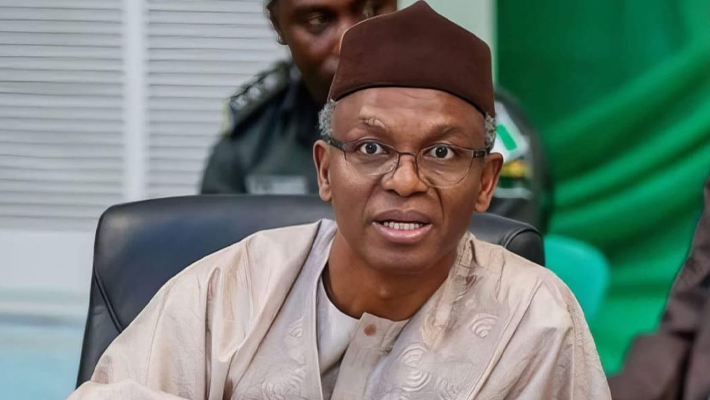
Court overrules El-Rufai’s objection to DSS forensic witness
Mr El-Rufai arrived at court amid heavy security, accompanied by his wife and Isa Kudan, the ADC governorship candidate in Kaduna State.
World
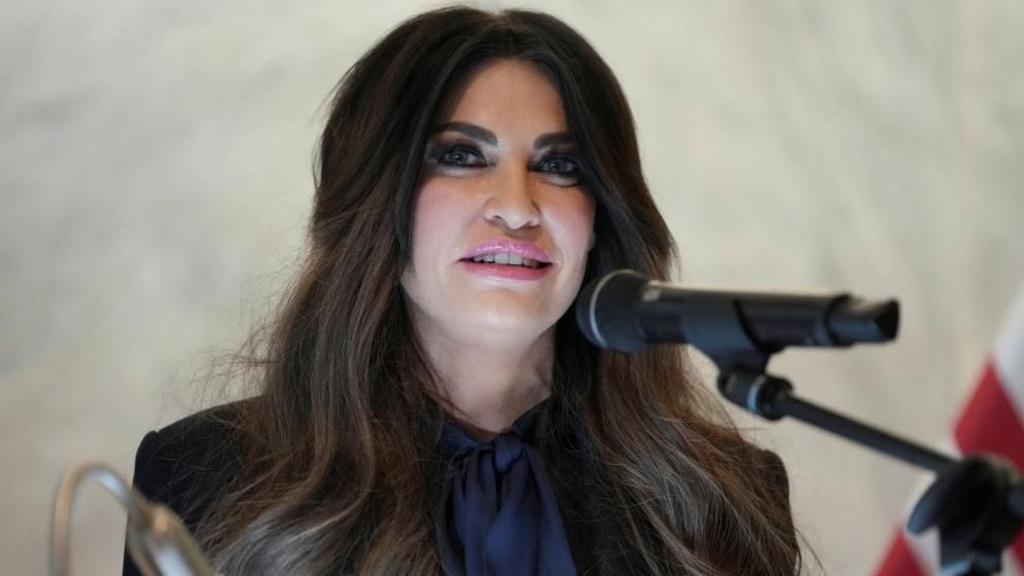
Trump fires U.S. ambassador Kimberly Guilfoyle after allegations she demanded money from donor
Mr Trump had said he was considering firing Ms Guilfoyle amid allegations that she demanded $100,000 from a political donor
States
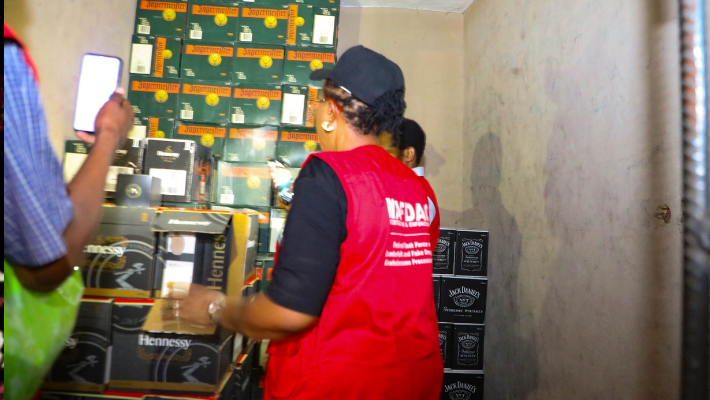
NAFDAC nabs two suspects over counterfeit alcoholic beverages in Lagos
NAFDAC said the suspects also revalidated expired and unsafe beverages for resale and stockpiled banned imported products.
States
Troops arrest suspected arms racketeers in Anambra
The army added that the suspects are currently in the custody of the 302 Artillery Regiment for further investigation.

World
Pope Leo XIV diagnosed with lung cancer after surgery: Vatican
The Vatican on Tuesday said Pope Leo XIV’s surgery to remove a nodule from his lungs confirms he has cancer.
Hot news Home top
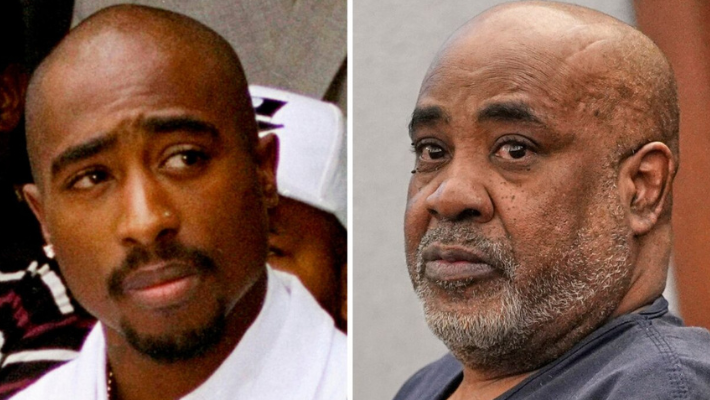
63-year-old Duane ‘Keffe D’ Davis sentenced to 40 years for murder of Tupac
Shakur was killed in a drive-by shooting in Las Vegas while he visited the city to see a Mike Tyson boxing bout.


