

World in most dangerous nuclear moment since end of Cold War, UN chief warns
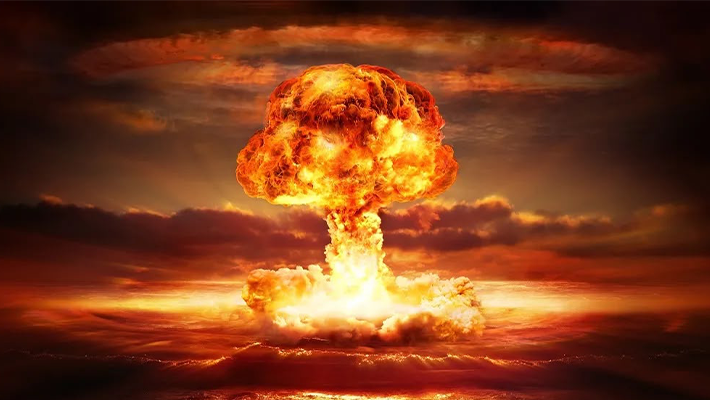
UN chief António Guterres has raised the alarm that the world is in most dangerous nuclear moment since the end of the cold war.
A statement by the UN on Tuesday highlighted Mr Guterres’ concern as the General Assembly held a high-level meeting to mark the International Day for the Total Elimination of Nuclear Weapons.
“We meet at the most dangerous nuclear moment since the end of the cold war,” Mr Guterres said, pointing to expanding and modernizing nuclear arsenals, louder nuclear sabre-rattling and increased odds of mistakes due to technological advances.
Expressing concern over the expiration of the New START (Strategic Arms Reduction Treaty) and failure of the eleventh Review Conference of the Treaty on the Non-Proliferation of Nuclear Weapons to reach consensus on a substantive outcome, the UN secretary-general said, “And just when they are most needed, the safeguards built over decades to contain these dangers are breaking down.”
Mr Guterres stated that “disarmament is not a favour” but “a binding legal obligation”, calling on nuclear weapon states to return to dialogue, reduce the role of nuclear weapons in their security policies and pursue confidence-building measures that ensure transparency.
Mr Guterres urged the United States and Russia to negotiate a successor framework to New START and stressed that it is “beyond time” to bring the Comprehensive Nuclear-Test-Ban Treaty into force, adding that “these devices of death must never decide the fate of humanity”.
Khalilur Rahman, UNGA president, also said the global stockpile was expected to grow again for the first time since the end of the cold war.
“New technologies—including artificial intelligence, cyber-capabilities and advanced delivery systems—are introducing additional uncertainty into command, control and decision-making,” Mr Rahman said.
Noting that the combination of proliferating conflicts, eroding arms-control arrangements and renewed reliance on nuclear weapons creates a perilous moment for international peace and security, Mr Rahman said, “We must change course, urgently and decisively.”

We have recently deactivated our website's comment provider in favour of other channels of distribution and commentary. We encourage you to join the conversation on our stories via our Facebook, Twitter and other social media pages.

More from Peoples Gazette

States
Independence: NBA urges Nigerians to expect better future
The NBA said that ordinary Nigerians should be deriving benefit from the subsidy removal rather than hardship.

Agriculture
FG tasks ECOWAS on leveraging financing strategies for agroecology
The federal government has urged stakeholders in the agriculture and finance sectors in the West Africa region to leverage financing strategies to enhance agroecology practices

Politics
Katsina youths pledge to deliver over 2 million votes to Atiku
“Katsina State is Atiku’s political base because it is his second home.”

Politics
PDP coalition unveils Tinubu’s re-election campaign timetable in Bayelsa
The inauguration of the Bayelsa Rainbow Coalition Council is scheduled for November 9.
Heading 2
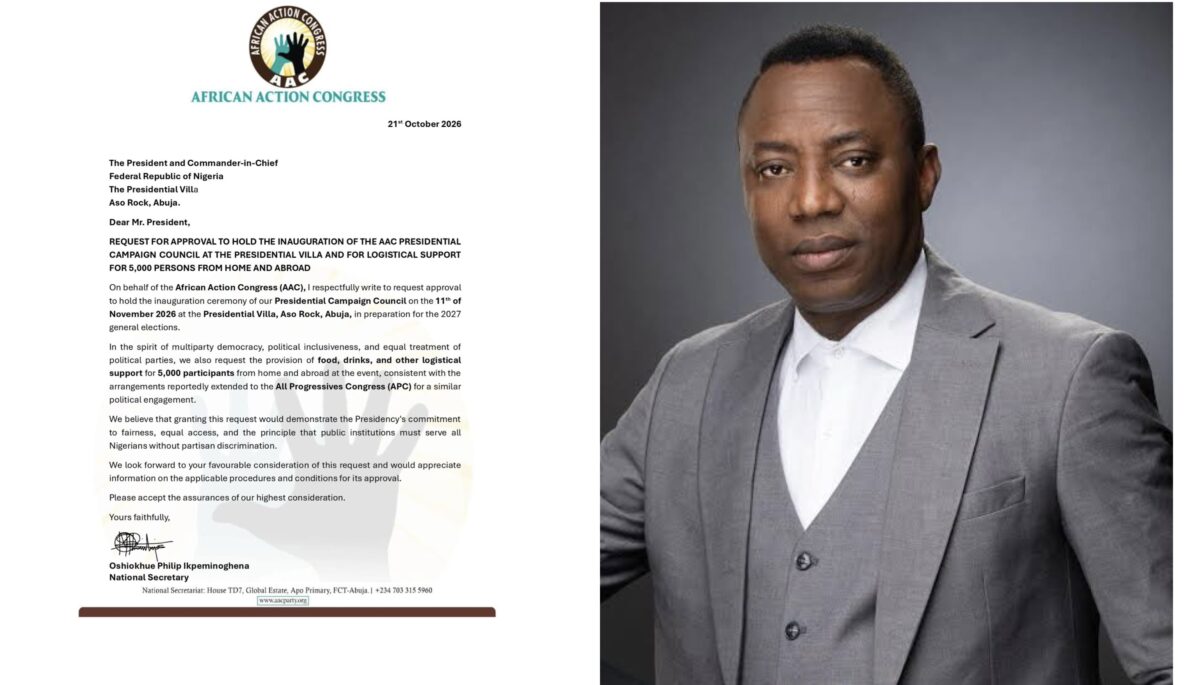
Sowore’s AAC writes Tinubu for approval to hold campaign inauguration at Presidential Villa
The party also requested food, drinks and other logistical support for 5,000 participants expected to attend the event from within and outside Nigeria.
NationWide
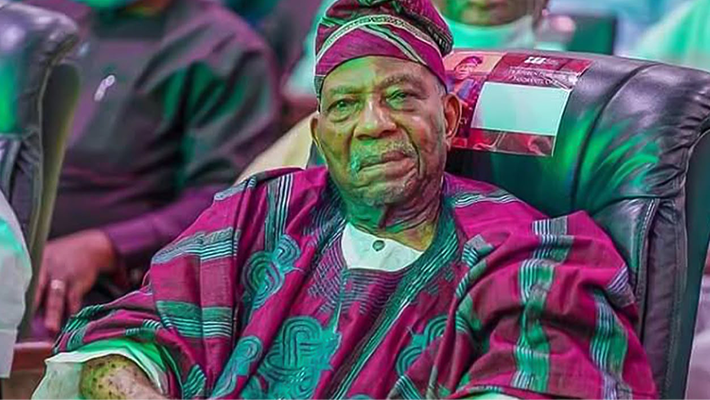
Fasoranti’s death loss to Yoruba race, Nigeria: Ooni
The Ooni extended his heartfelt condolences to the Fasoranti family.

Politics
Bayelsa, South-South governors condole Uduaghan family
The Bayelsa government and the South-South Governors Forum condoled with the government and people of Delta on the demise of former Governor Emmanuel Uduaghan.

Abuja
WHO confirms Bundibugyo Ebola strain in Nigeria
World Health Organisation has confirmed that the female patient presenting with Ebola virus in Nigeria is carrying the Bundibugyo strain.

States
Lagos APC campaign council mourns Fasoranti
The council said the principles remained enduring pillars of democratic development and responsible leadership.


