

World Meteorological Organisation warns wildfires will hamper meeting WHO’s air quality guidelines

The World Meteorological Organisation on Monday warned that rising pollution from wildfires and heat waves will hamper global efforts to improve air quality and protect human and ecosystem health.
The United Nations agency, in its annual air quality and climate bulletin, stressed the intersection between climate change and air pollution, urging coordinated policies to address both.
“Meeting the World Health Organisation air quality guidelines will become progressively more difficult, since extreme fire weather is expected to increase in the future,” the bulletin stated.
The report, which cited a study estimating that they contributed to nearly 100,000 additional deaths annually between 2010 and 2018, further noted that extreme fire-smoke events have tripled globally since the 1990s.
According to the WMO, conventional risk models could underestimate wildfire-attributable mortality by up to 93 per cent because they fail to adequately account for the higher toxicity of fire-derived fine particulate matter.
“Extreme wildfires are increasing, leading to big health consequences because of the high toxicity of smoke. Whilst regulations in Europe and North America have reduced industrial and transport PM2.5 emissions, exposure to fire-related PM2.5 has increased,” the bulletin added.
It further lamented worsening ground-level ozone pollution, noting that higher temperatures, stagnant air, and intense sunlight promote ozone formation.
“One example is the deposition of black carbon – or soot – on snow and ice, which reduces the amount of sunlight reflected by these surfaces and in turn can hasten the melting process.
“As plastic production and, critically, mismanaged plastic waste continues to increase, monitoring the airborne paths that carry microplastics from their source and dump them in remote environments will be crucial, the WMO explained.
The UN agency said ozone-related health risks were expected to intensify, which could lead to tens of thousands of additional premature deaths.
The bulletin advocated improved monitoring of pollutants, including black carbon and atmospheric microplastics.

We have recently deactivated our website's comment provider in favour of other channels of distribution and commentary. We encourage you to join the conversation on our stories via our Facebook, Twitter and other social media pages.

More from Peoples Gazette

States
Independence: NBA urges Nigerians to expect better future
The NBA said that ordinary Nigerians should be deriving benefit from the subsidy removal rather than hardship.

Agriculture
FG tasks ECOWAS on leveraging financing strategies for agroecology
The federal government has urged stakeholders in the agriculture and finance sectors in the West Africa region to leverage financing strategies to enhance agroecology practices

Politics
Katsina youths pledge to deliver over 2 million votes to Atiku
“Katsina State is Atiku’s political base because it is his second home.”

Heading 2
Violent protests rock France, about 300 arrested
According to reports, demonstrations by students began in the Paris suburbs in September

World
Protest rages in Albania as students demand resignation of prime minister
The state police director said 167 people had been arrested during the five days of protests.

NationWide
Corruption turning courtrooms to market stalls: Retired Justice Augie
She said lack of funding was another factor keeping jurists beholden to the executive arm of government.
Africa
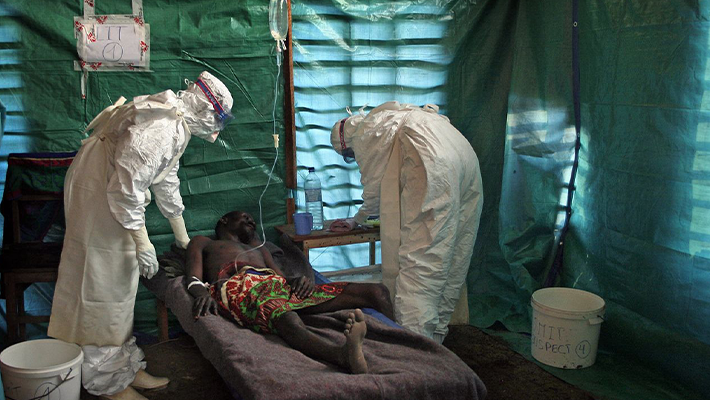
Kenya confirms four more Ebola cases
Three of the new cases were among health workers who treated the country’s first patient.

Economy
FG says Nigerians to feel benefits of economic reforms soon
Mr Fasua acknowledged that rising fuel prices continued to exert pressure on households.

Heading 5
Police warn Nigerians against online scams, urge protection of personal information
Mr Ezima said the fight against cybercrime required more than arrests and prosecutions.


