

150 killed in paramilitary clash with Sudanese army

A clash that broke out on Wednesday in Central Sudan between a paramilitary group known as Rapid Support Forces (RSF) and the country’s army has claimed the lives of at least 150 villagers.
The clash, which began when the two generals leading the army and RSF fell out, has lasted over 13 months as they continue to struggle to gain a stronghold in the country.
Viral videos on social media showed dozens of bodies wrapped in white shrouds prepared for burial in Wad al-Nourah in Gezira state, with the RSF boasting on Thursday that it attacked two army formations.
Giving an update on the massacre, the Madani Resistance Committee said it was “waiting for a confirmed toll of the dead and injured.”
The circumstances behind the killings remain unknown, but it is believed that the village was attacked twice by the RSF fighters on Wednesday.
Speaking to the BBC, Hafiz Mohamad of leading human rights group Justice Africa Sudan said that people are still missing and it was “difficult to count all the dead” because “RSF elements are still around the area looting.”
The group, which has taken control of Gezira state, to the south of the capital, Khartoum, since December, has been accused of carrying out numerous abuses against residents, which it denies.
Over 15,000 people have been estimated to have been killed since the conflict started in April 2023, while several rounds of peace talks have failed to end the war.
Agencies of the United Nations have stated that the crises have now led to the world’s largest displacement crisis and that millions are now facing a hunger catastrophe.
Speaking on the crisis in the country, Martin Griffiths, the under-secretary-general for humanitarian affairs and emergency relief coordinator, said earlier in the week that about five million people have a high risk of famine.
“I don’t think we’ve ever had this kind of number at risk of famine. This was an avoidable conflict. It is a place where two men decided that they were going to resolve their differences through fighting and take their country down,” Mr Griffiths stated.

We have recently deactivated our website's comment provider in favour of other channels of distribution and commentary. We encourage you to join the conversation on our stories via our Facebook, Twitter and other social media pages.

More from Peoples Gazette

States
Independence: NBA urges Nigerians to expect better future
The NBA said that ordinary Nigerians should be deriving benefit from the subsidy removal rather than hardship.

Agriculture
FG tasks ECOWAS on leveraging financing strategies for agroecology
The federal government has urged stakeholders in the agriculture and finance sectors in the West Africa region to leverage financing strategies to enhance agroecology practices

Politics
Katsina youths pledge to deliver over 2 million votes to Atiku
“Katsina State is Atiku’s political base because it is his second home.”

Africa
Africa–Caribbean trade could reach $1.65 billion annually by 2030: Report
The report said trade between the two regions remains modest and heavily concentrated.

Lagos
Police, firm accuse Lagos businessman of land-grabbing in disputed N1 billion Lekki property
Mr Ogunseye claimed to be the beneficial owner of the property.

Economy
Enugu Air gets approval for Lagos-London Gatwick route
According to the statement, the approval marks a step in Enugu Air’s expansion into the international market.
States
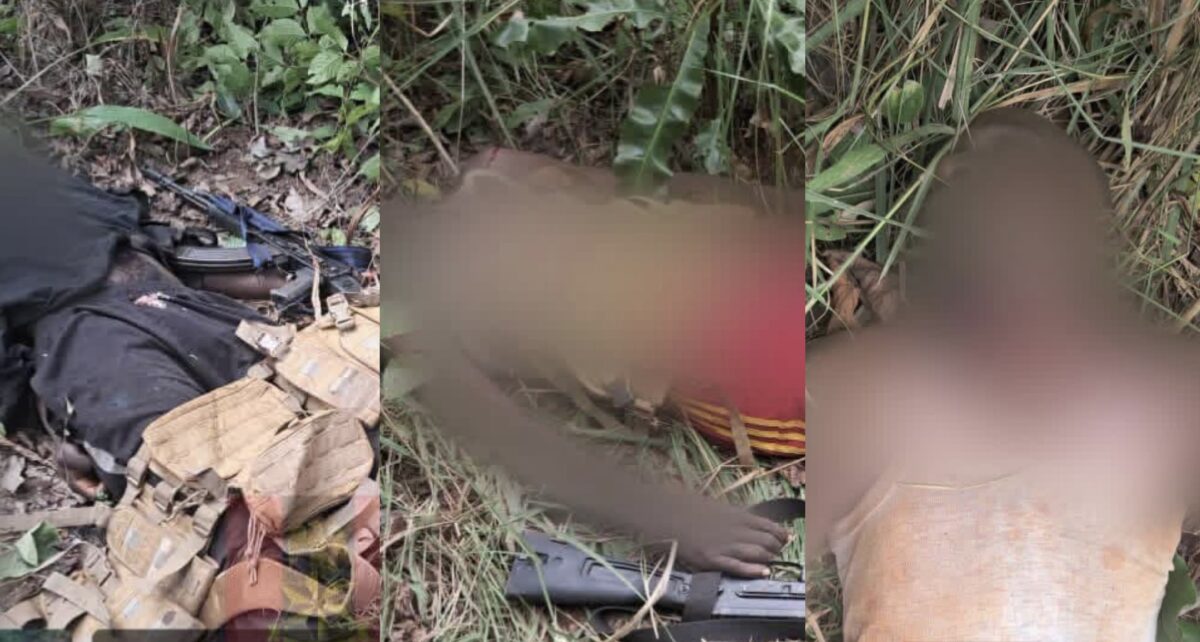
Three suspected kidnappers killed in Kogi
Troops noted that the kidnappers were killed during an operation in the Igalamela/Odolu Local Government Area of Kogi State.
NationWide
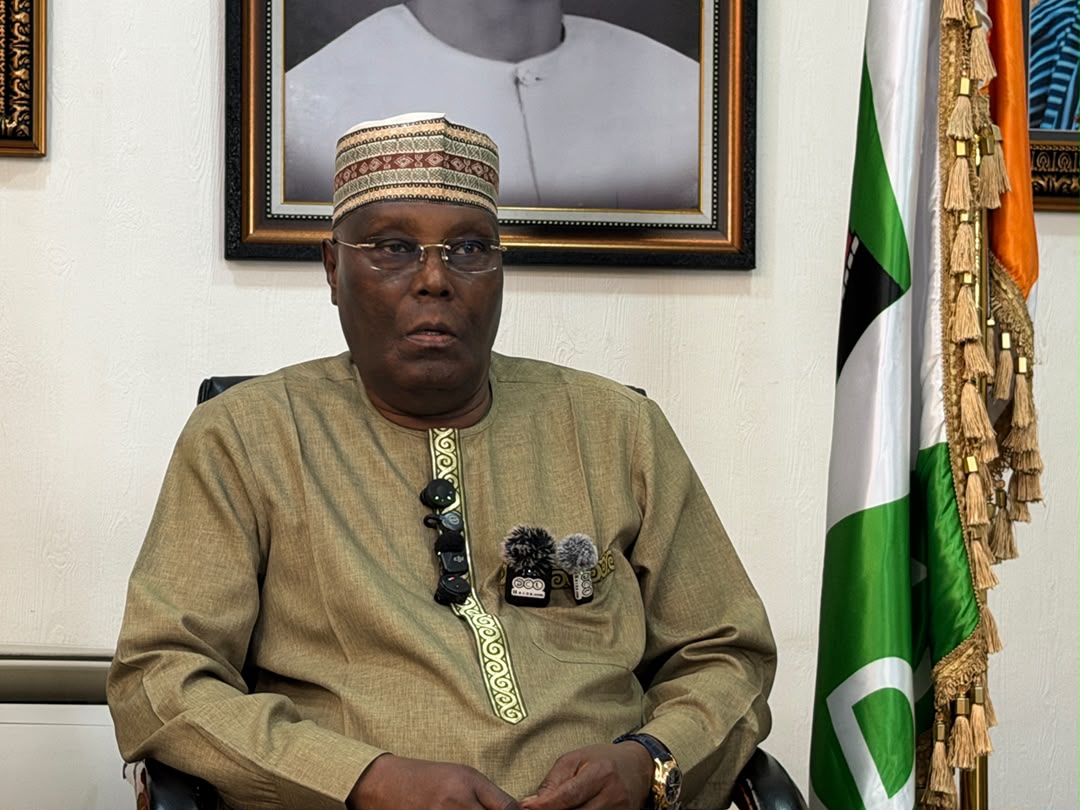
I will end insecurity if elected president in 2027: Atiku
Mr Atiku stated, “Nigerians are tired of hunger, fear, and broken promises.”

NationWide
WHO says climate, health interventions can save 1.6 million lives annually
The WHO Director-General, Tedros Ghebreyesus, described climate crisis as a health crisis.


