

26.5 million Nigerians face hunger in 2024: Report
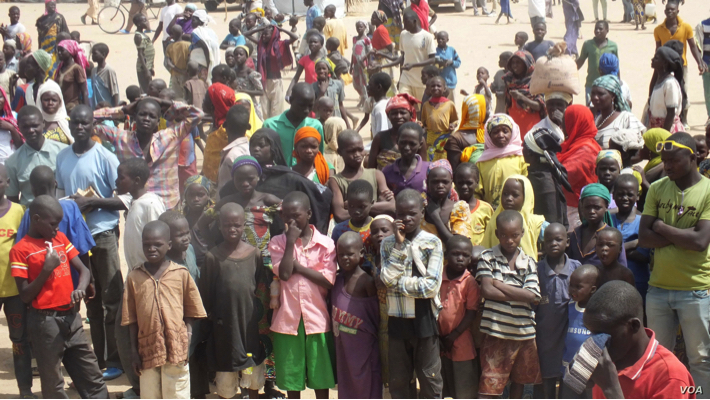
A report by Cadre Harmonise (CH) has alerted that about 26.5 million people in 26 states of Nigeria will face food crisis between June and August 2024.
The research result is contained in the November analysis result presentation organised by the Kwara ministry of agriculture and human development in collaboration with CH and other partners.
The report stated that the anticipated people include internally displaced persons in Zamfara, Sokoto and Borno States.
Speaking at the meeting, Isiaq Oloruko-oba, the permanent secretary of the ministry, noted that such reports paint a gloomy picture of the food and nutrition security facing the country.
He stated that it is critical for decision makers to plan ahead of such danger looming and proffer lasting solutions.
According to him, the meeting affords all critical stakeholders to deliberate on the way forward.
He reiterated the resolve of the state government to ensure relevant stakeholders, especially farmers, are empowered and receive the necessary aid to ensure food security in the state.
Also speaking, Olusoji Oyawoye, the state CH coordinator, said Kwara has an estimated population of about 3.73 million based on the 2001 population projections.
He observed that agriculture offers the source of livelihood to the majority of the population through subsistence traditional farming.
“Major crops are rice, cassava, yam, soya beans, maize, beniseed, guinea corn, groundnut and cowpea, tree crops include cashew nuts and palm oil.
‘There are also some exploitation of hard wood timber and various forest resources such as shea nuts and locust beans,” he said.
Mr Oyawoye stated that the increase in inflation resulted from a combination of supply side factors including disruption of agricultural activities caused by higher costs of farm inputs and insecurity.
Others, he said, are exchange rate devaluation, increase in electricity tariffs and fuel increase with resultant increase in transportation costs.
According to him, the food inflation rate in September 2023 was 30.64 per cent on a year-on-year basis, which was 7.30 per cent points higher compared to the rate recorded in September 2022 (23.34 per cent).
The resource person added that high fuel prices, high food prices, high cost of farm inputs and inflation of other consumer commodities have been the key drivers of food and nutrition insecurity in Kwara.
“The increase in fuel prices and in the exchange rate were the major shocks which affected livelihoods, economic, transportation, agricultural activities and every other sector of the economy,” he said.
Mr Oyawoye pointed out that though Kwara has abundant food in the state, it is however worrisome that the foods are being exported outside to the detriment of the state.
He emphasised that agricultural produce especially food crops that are cultivated in the state should remain in Kwara to ensure food security.
“Farmers should be encouraged to focus more on food crops instead of depending largely on cash crops. We also need to ensure that large yields of foods are processed,” he said.
Mr Oyawoye appealed to the state government to encourage all-year-round farming, adding that such must be engrained in our system.
In his presentation, Dr Habeeb Lawal, the state coordinator of Accelerating Nutrition Results in Nigeria (ARIN) project submitted that nutrition is linked to food security.
He called for consistent action to ensure food security in the country, adding that the vulnerable including children, elderly, pregnant and maternal mothers are at great risk.
He warned that the country is still grappling with the problem of stunted growth among children.
The stakeholders at the meeting recommended dry season farming and irrigation should be encouraged all over the state in order to increase the availability of food crops throughout the seasons.
They also recommended that food crop markets should be encouraged in the state to ensure that people in the state have easier access to these crops from the different areas of cultivation.
(NAN)

We have recently deactivated our website's comment provider in favour of other channels of distribution and commentary. We encourage you to join the conversation on our stories via our Facebook, Twitter and other social media pages.

More from Peoples Gazette

States
Independence: NBA urges Nigerians to expect better future
The NBA said that ordinary Nigerians should be deriving benefit from the subsidy removal rather than hardship.

Agriculture
FG tasks ECOWAS on leveraging financing strategies for agroecology
The federal government has urged stakeholders in the agriculture and finance sectors in the West Africa region to leverage financing strategies to enhance agroecology practices

Politics
Katsina youths pledge to deliver over 2 million votes to Atiku
“Katsina State is Atiku’s political base because it is his second home.”

Heading 2
Army arrests suspected terrorist leader, rescues 26 human trafficking victims
The report revealed that the operations also led to the recovery of firearms and ammunition.

States
Police arrest three suspected armed robbers in Oyo
Police said the incident occurred on Thursday at about 9:15 p.m.

States
Enugu CP orders probe into alleged shooting at NDC secretariat
The police said the alleged shooting took place on Saturday, October 10, at about 2:30 p.m.

Africa
Insecurity displaces four million people across Burkina Faso, Mali, Niger says UN
Mr Gnon-Konde said approximately 60 to 65 per cent of the region’s population was younger than 25.

Faith
Ijebu chief imam cautions worshippers against immodest dressing, hairstyles during prayers
The Chief Imam of Ijebuland, Miftaudeen Gbadegesin Ayanbadejo, has urged worshippers to avoid indecent dressing, particularly dreadlocks, plaited hairstyles, earrings and tattoos among men, during congregational

Africa
South Sudan jails soldier 10 years for killing UN worker
According to UNMISS, the victim, was abducted and killed on December 15, 2025.


