

COP 28: CAPPA releases documentary on climate change impact in Africa

Corporate Accountability and Public Participation Africa has released a documentary on the impact of climate change on frontline communities in Africa.
Titled “Climate Change: Africa’s Cooked and Sinking Communities,’’ the documentary highlighted the threatening impacts of climate change in Taita Taveta County, Kenya; Kambele, Cameroun; and Ayetoro, Ondo State, Nigeria.
The documentary, which was showcased on Tuesday in Dubai, United Arab Emirates, at the climate change conference titled, COP28, exposes the impact of mining and oil extraction in those communities, thereby reinforcing the call for a loss and damage mechanism that will address the plight of local communities across Africa.
In the context of the United Nations Framework on Climate Change Convention process, the loss and damage fund is for compensation for harm caused to human societies and the natural environment by human-generated climate change.
In Kenya’s Taita Taveta County, the documentary shows the moving story of drought in a community once known for agriculture and animal husbandry.
The hitherto agrarian community has been transformed by climate change into arid terrain where farmers are compelled to adapt by becoming emergency miners, further exacerbating climate-related challenges.
Gideon Ndambuki, a resident of Taveta, said, “This land that you see here was used for farming for all of our lives. But things have changed; we used to plant cassava here; we used to plant sweet potatoes here; we used to plant green grams here. For the last three years, we haven’t got anything from this land; we have been waiting for rain for all this time, and it has not rained. So, this land is no longer productive; this land is no longer suitable for agriculture due to changes in the climate.”
In Kambele, residents observed battle landslides, incredible heat, and irregular weather patterns as a result of indiscriminate gold mining.
Close to 150 persons reportedly died from landslides and open pits dug by gold miners. Besides the varying degrees of health problems, residents battle daily.
Kulu Florin, a native of Ngaland Le Trois, said the mining-induced changes in the weather patterns were causing hardship to the community.
“The first problem is that of the climate; we are in October; since I was born, we have always known the month of October to be the rainy season. The sun hardly came out, but now we are experiencing climate change. I am wondering if this continues till December or even January, are we going to live in the swamps?
“Aside from that, we used to experience flu during the dry season, but since the Chinese arrived with their toxic chemicals, we no longer know when the flu starts or when it ends,” Ms Florin said.
For Ayetoro, it is the sad story of a city sinking because of ocean surges.
This, according to the locals, became aggravated immediately after oil extraction facilities were installed close to its shoreline.
The Oba of Ayetoro, Oba Ojagbohunmi Oluwanmbe, asserted that the ocean surges started in the 1980s after oil exploration began in the community.
“It used to be a normal cycle of the sea to take a few portions of land away, and after six months, it would add that same portion or even more; that was normal. But, in the latter part of 1980, our people noticed that the rate at which it was taking the soil was higher than the rate at which it was returning it,” he said.
CAPPA’s Executive Director, Akinbode Oluwafemi, stated that the plight of the communities and several others across the continent reinforced the need for sustainable climate finance for the continent.
“These sad stories make it imperative for COP 28 to come up with a predictable, democratic, and sustainable mechanism for operationalising loss and damage that will address the impact of climate change in frontline communities across Africa,” Mr Oluwafemi said.
He said the West owed Africa and the global south climate debt, and it was time to start paying.
(NAN)

We have recently deactivated our website's comment provider in favour of other channels of distribution and commentary. We encourage you to join the conversation on our stories via our Facebook, Twitter and other social media pages.

More from Peoples Gazette

Agriculture
FG tasks ECOWAS on leveraging financing strategies for agroecology
The federal government has urged stakeholders in the agriculture and finance sectors in the West Africa region to leverage financing strategies to enhance agroecology practices

Politics
Katsina youths pledge to deliver over 2 million votes to Atiku
“Katsina State is Atiku’s political base because it is his second home.”

Diaspora
Canada-based popular entrepreneur Maryam Muritala dies, Nigerian community mourns
Ms Muritala’s demise has drawn tributes from the Nigerian community in Canada and other groups.
Economy
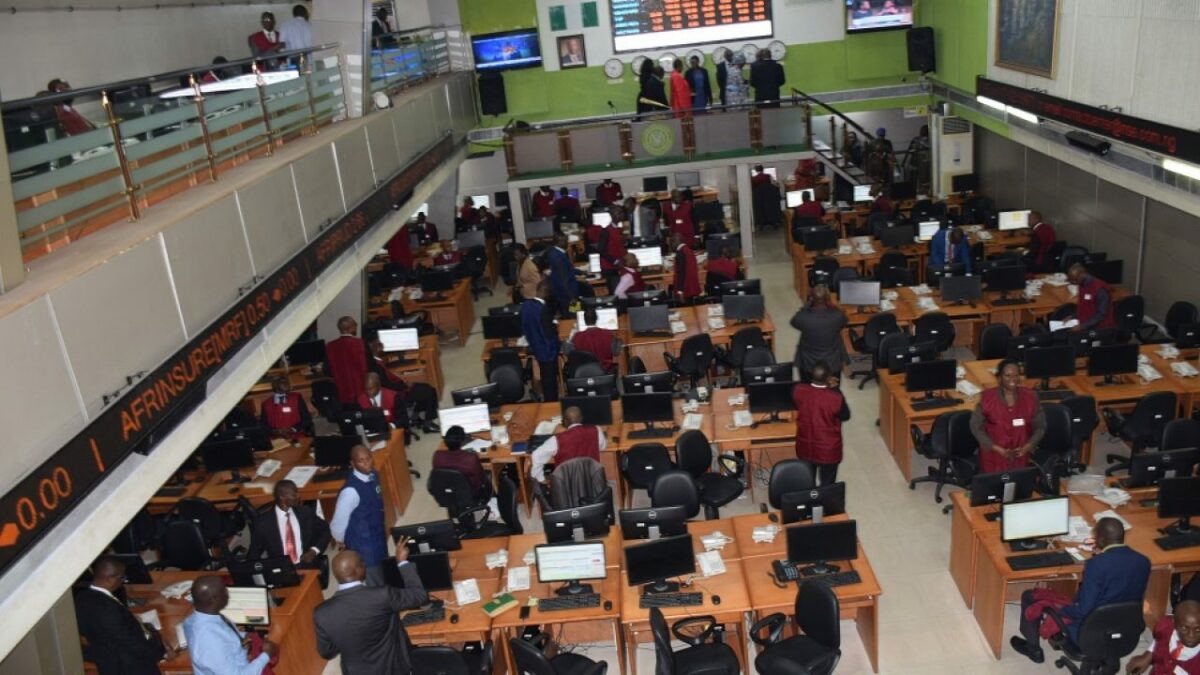
Stock market gains N652 billion amid sustained buying interest
The gains were driven by NGX Group, Aradel Holdings, Sovereign Trust Insurance, Mc Nicholas, International Breweries and 29 other equities.
Economy
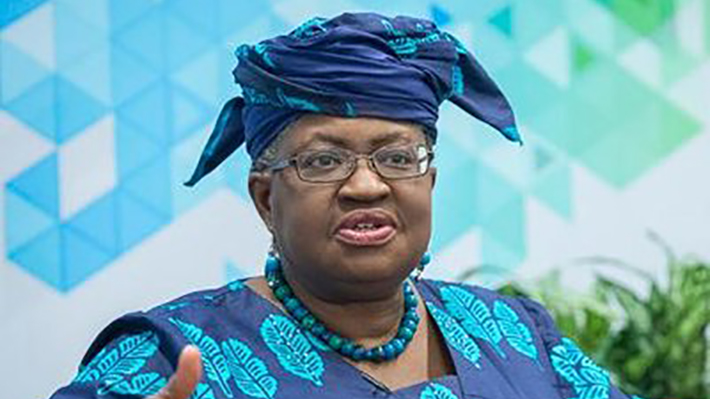
Okonjo-Iweala urges Niger Delta states to establish special economic zones
The WTO chief said the Niger Delta could become Nigeria’s next major industrial hub, alongside Lagos.
Health
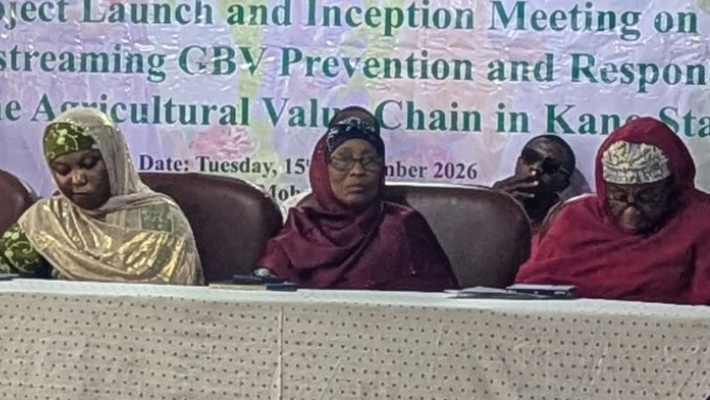
Kano govt, partners target 16,000 women as new gender-based violence prevention project takes off
Ms Amina-Abdullahi said the project would address GBV and discrimination against women engaged in agriculture and other economic activities.
Heading 2
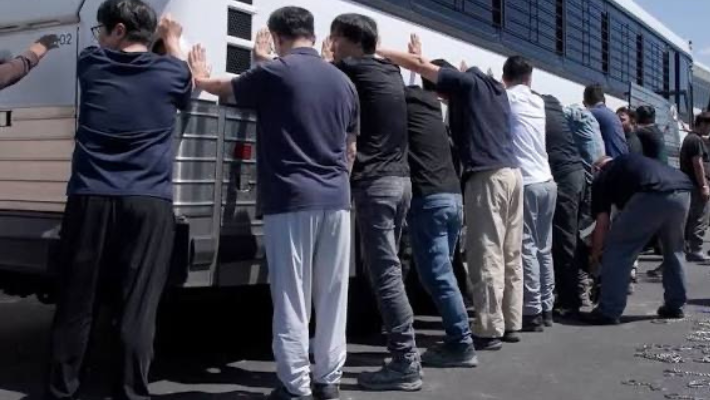
Over 300 South Korean workers to sue Trump administration over Georgia immigration raid
About 475 South Koreans were arrested during the raid executed by nearly 500 immigration agents.

Lagos
Lagos assembly passes 2026 appropriation amendment bill
The passage followed consideration of a letter from Governor Babajide Sanwo-Olu seeking the assembly’s approval to reorder priorities under the 2026 budget.


