

Rising Debts: Senate approves Buhari’s $1.5 billion, €995 million loan requests
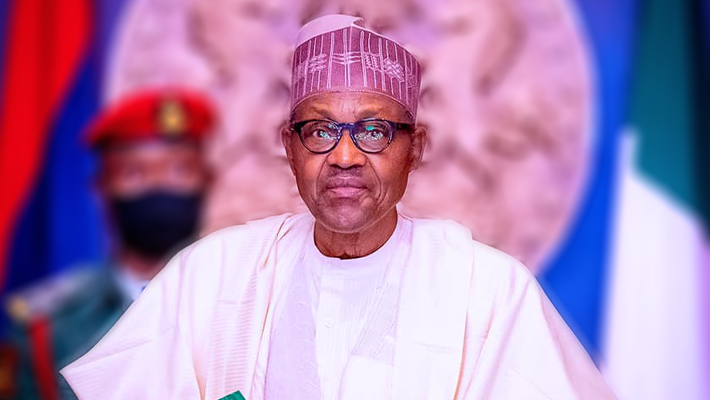
Despite Nigeria’s rising debts and dismal economy, the Senate has approved $1.5 billion and €995 million external loan requests by President Muhammadu Buhari.
The senators approved the loans on Wednesday.
The approval was sequel to the consideration of the report of the Senate Committee on Local and Foreign Debts presented by its Chairman, Clifford Ordia (PDP-Edo), during plenary.
In May 2020, Mr Buhari had sent a letter to the Senate seeking its approval for another batch of external loans to enable his regime to finance the 2020 budget deficit, critical projects, and support some of the state governments.
Mr Buhari explained that he would use the loans used to execute priority projects and support state governments in stimulating their economy adversely hit by the COVID-19 pandemic.
In his presentation, Mr Ordia noted that the borrowings were loans with low-interest rates and a reasonable moratorium and payback period.
He pointed out, “No unusual or onerous conditions attached to the terms of the loans and do not in any manner compromise the sustainability of the Nigerian economy or impugn the integrity and independence of Nigeria as a sovereign nation.
“The loan is in the immediate best interest of the Nigerian state and its citizens in dealing with the COVID-19 pandemic in a way that the economy will be positioned for quick recovery and resume growth.
“While Nigeria’s total public debt stock is on the increase, it is still relatively low vis-à-vis the country’s GDP and the increased borrowing requirements is needed to sustain economic recovery.”
The approved loans included the $750 million from the World Bank for states, fiscal transparency, accountability, and sustainability (SFTAS) programme to provide fiscal support to states.
There is also the World Bank’s $750 million for the COVID-19 Action Recovery and economic stimulus programme to support state-level efforts to protect livelihoods, ensure food security and stimulate economic activity (N-CARES).
The country’s debt status has continued to rise following the president’s decision to keep servicing the country’s ballooning budget with loans from foreign countries.
In December 2020, the country’s debt status rose to N32.915 from N32.222 trillion in September.

We have recently deactivated our website's comment provider in favour of other channels of distribution and commentary. We encourage you to join the conversation on our stories via our Facebook, Twitter and other social media pages.

More from Peoples Gazette

Agriculture
FG tasks ECOWAS on leveraging financing strategies for agroecology
The federal government has urged stakeholders in the agriculture and finance sectors in the West Africa region to leverage financing strategies to enhance agroecology practices

Politics
Katsina youths pledge to deliver over 2 million votes to Atiku
“Katsina State is Atiku’s political base because it is his second home.”

Africa
Zimbabwean millionaire Wicknell Chivayo, wife killed in helicopter crash
His wife, Lucy, and four others were among the casualties when the aircraft crashed near Marondera on Wednesday.
States
Navy rescues two kidnap victims, recovers stolen engines in Akwa Ibom
The commander urged owners of the recovered outboard engines to provide proof of ownership in order to reclaim their property.
States
NEMA donates relief materials to Ebonyi flood victims
The governor described the recurring flood disasters in parts of the state as devastating.

Heading 4
Trump administration revokes over 250,000 visas of foreigners over crimes, immigration violations
The State Department spokesperson said the U.S. was carrying out rigorous visa vetting on a scale never seen before.
Africa
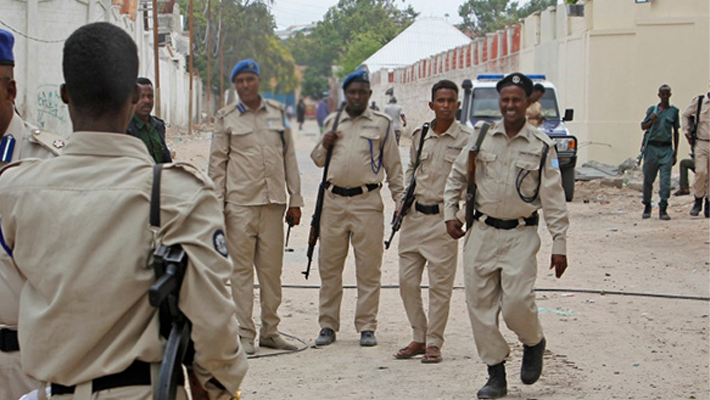
Fresh clashes in Somalia leave children dead, others injured
The fresh clashes began on Monday.
NationWide
CIoD seeks stronger board leadership amid AI, economic shifts
Mr Nolas-Alausa said the new economy presented both opportunities and responsibilities.


