

AfDB wants end to crude oil, lithium, other natural resources exchange loans for African countries
The African Development Bank (AFDB) has called for an end to loans given to African countries in exchange for their critical natural resources such as crude oil and lithium.
Akinwumi Adesina, president of the AFDB, who made the call, explained that the deals have assisted countries like China gained control over mineral mining and placed African countries in financial debt.
“They are just bad, first and foremost, because you can’t price the assets properly. If you have minerals or oil under the ground, how do you come up with a price for a long-term contract? It’s a challenge,” Mr Adesina said in an interview with The Associated Press.
Lithiums, which are part of critical mineral resources used in smartphone and electrical car batteries have helped China gain control in countries like Congo.
Mr Adesina observed that the current arrangement comes with its litany of problems, highlighting the nature of the negotiations with lenders typically holding the upper hand and dictating terms to cash-strapped African countries.
He noted that the power imbalance has led to a lack of transparency and the potential for corruption which created fertile ground for exploitation.
“These are the reasons I say Africa should put an end to natural resource-backed loans,” Mr Adesina said.
He also pointed to a bank initiative that aids “countries renegotiating those loans that are asymmetric, not transparent and wrongly priced.”
According to him, loans secured with natural resources posed a challenge for development banks including the International Monetary Fund (IMF) which also promotes sustainable debt management.
“Countries may struggle to get or repay loans from these institutions because they have to use the income from their natural resources — typically crucial to their economies — to pay off resource-tied debts.”
Mr Aiyedatiwa specifically mentioned Chad’s crippling financial crisis after an oil-backed loan from commodity trader Glencore left the central African nation using most of its oil proceeds to pay off its debt.
Although, western commodity traders and banks, such as Glencore, Trafigura and Standard Chartered have funded oil-for-cash deals, notably with the Republic of Congo, Chad and Angola.
At least 11 African countries have taken dozens of loans worth billions of dollars secured with their natural resources since the 2000s, according to AFP.
China, however, tops the source of funding through policy banks and state-linked companies.

We have recently deactivated our website's comment provider in favour of other channels of distribution and commentary. We encourage you to join the conversation on our stories via our Facebook, Twitter and other social media pages.

More from Peoples Gazette

Agriculture
FG tasks ECOWAS on leveraging financing strategies for agroecology
The federal government has urged stakeholders in the agriculture and finance sectors in the West Africa region to leverage financing strategies to enhance agroecology practices

Politics
Katsina youths pledge to deliver over 2 million votes to Atiku
“Katsina State is Atiku’s political base because it is his second home.”

States
Kano political critic Khalil Dan Shagamu slaughtered at his residence
Mr Kwankwaso, a former Kano governor, also condemned the killing of Mr Shagamu.

States
Police nab suspect for impersonating JAMB registrar’s aide
Mr Iniedu said the police are currently pursuing the fleeing principal suspect, Nnabuife Nwekpa.
Port Harcourt
TCN begins rehabilitation of vandalised towers in Rivers
TCN stressed the need for greater community involvement in protecting transmission infrastructure.


States
Ogun police launch manhunt for man over alleged sexual assault of teenager
Mr Babaseyi said the boy was taken to a hospital within the Adigbe axis for medical examination.
Education
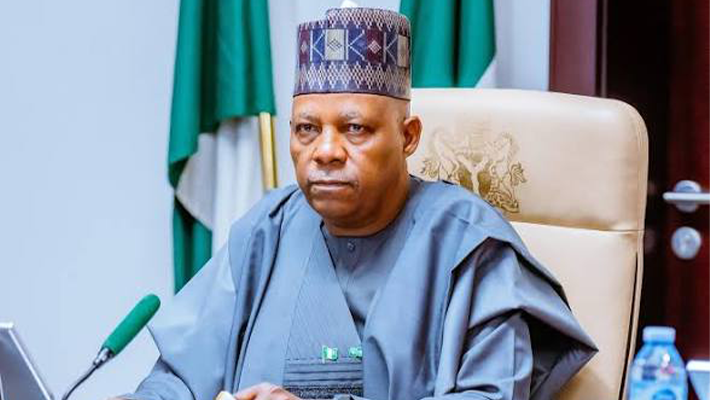
NELFUND has removed financial barriers to higher education, says Shettima
Mr Shettima described NELFUND as a landmark initiative.


