

Rotary International supports Nigeria with $2 million to tackle maternal mortality

Rotary International has allocated $2 million to projects aimed at reducing child and maternal mortality in Nigeria over three years.
The president of the international group, Gordon McInally, disclosed this during a community health engagement at LEA Primary School, Kuchingoro, Abuja, on Saturday.
Maternal mortality refers to the death of a woman during pregnancy, childbirth, or within 42 days after giving birth, a crucial indicator of the overall health and well-being of women.
Mr McInally said that the funding, which included approximately $1 million already committed, was aimed at raising awareness on child and maternal health, particularly in maternal and neonatal mortality.
He reiterated his commitment to making the world a better place for his two grandchildren in Scotland, as well as children in Nigeria and across the globe where Rotary operates.
He said, “This dedication involves improving healthcare systems, water and sanitation, education, and the environment.”
He explained that the project, operational in six states of the federation, is a multifaceted initiative aimed at enhancing family well-being.
“It focuses on providing women with access to reproductive advice and contraception while encouraging the involvement of men in decision-making processes.
“It also emphasises the importance of pregnant women taking good care of themselves during pregnancy and ensuring safe deliveries.
“Given that many women still give birth at home, where mortality rates are high, promoting safe deliveries in the clinical environment is crucial in preventing unnecessary suffering and loss of lives.
“There are numerous grants available for Nigeria. The Rotary Foundation, our charitable arm, operates by soliciting bids for grants.
“We consistently receive bids from Nigeria for various projects spanning our areas of focus, including education, healthcare, maternal and child care, water and sanitation, economic development—a vital aspect of Rotary’s work—and environmental initiatives.”
Joshua Hassan, the chairman of the National Polio Plus Committee for Nigeria, revealed that Rotary allocated $21 million to its core partners in the global polio eradication initiative, including the World Health Organisation (WHO) and the United Nations Children’s Fund (UNICEF).
He explained that “we allocated $14 million to WHO and $7 million to UNICEF.
“We provide support in the form of funds and grants for their operations, particularly in the procurement and transportation of vaccines and other logistics.
“We also support WHO in surveillance operations, as it is through surveillance that we identify cases of polio in communities.”
Mr Hassan, also the End Polio Now coordinator for West Africa, said that the purpose of the Rotary president’s visit is to brief him on Nigeria’s efforts in the fight against polio and provide evidence of progress.
Prof. Dolapo Owofadeju, the national coordinator of the Rotary Reproductive Maternal and Child Health Programme, highlighted the organisation’s shift from focusing solely on polio eradication to addressing maternal and child mortality caused by complications.
He attributed the complications to postpartum haemorrhage, high blood pressure, sepsis, and adolescent pregnancy.
Mr Owofadeju, also the chairman of the Federal Ministry of Health Safe Motherhood Technical Working Group, emphasised the need for capacity building for nurses and doctors.
He said ” Our outreach visit to homes is to identify children with malaria and any other health issues. We advocate for deliveries in facilities with medical attention, as 70 per cent of maternal deaths in our country occur during deliveries.
“We stress the importance of health workers’ behaviour. Pregnant women should feel comfortable when they visit clinics. Pregnancy is not a disease; it’s a physiological condition. Therefore, women, even those under 13, should be counselled without being abused.
“Traditional birth attendants are encouraged to register pregnant women in healthcare facilities rather than conducting deliveries. This is why Rotary ensures that clinics have the necessary equipment for the programme.”
Earlier at the Primary Healthcare Clinic in Area 2, Abuja, approximately 10 children between the ages of zero and two years old received polio vaccination.
Rotary International has supported Nigeria on many projects, and this new project will start from 2023 to 2025.
(NAN)

We have recently deactivated our website's comment provider in favour of other channels of distribution and commentary. We encourage you to join the conversation on our stories via our Facebook, Twitter and other social media pages.

More from Peoples Gazette

Agriculture
FG tasks ECOWAS on leveraging financing strategies for agroecology
The federal government has urged stakeholders in the agriculture and finance sectors in the West Africa region to leverage financing strategies to enhance agroecology practices

Politics
Katsina youths pledge to deliver over 2 million votes to Atiku
“Katsina State is Atiku’s political base because it is his second home.”
NationWide
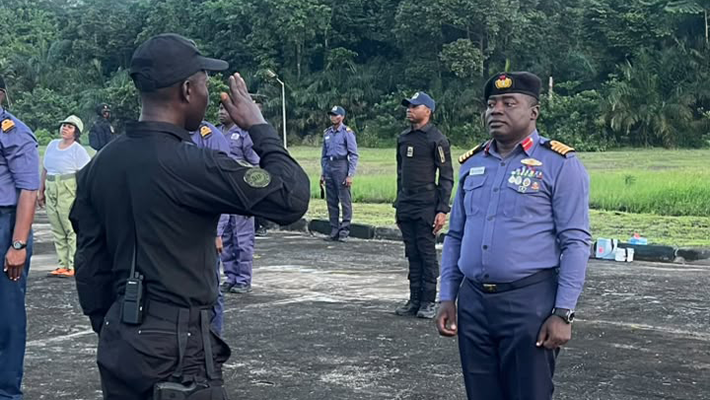
Navy holds route march to boost combat readiness
The exercise, conducted through Egweama communities in Brass, aimed to enhance physical endurance, promote healthy living, and maintain a physically fit force.
Sport
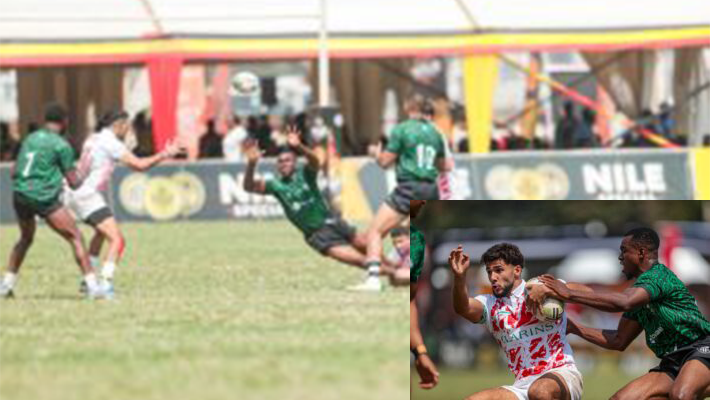
Nigeria’s Stallions beat Ghana, fall to Morocco in Africa rugby men’s sevens
The Stallions opened their campaign with a 26-5 victory over Ghana’s Black Eagles but suffered a 36-5 defeat to Morocco in their second match of the competition.

Heading 4
APC reviews structures, declares readiness for 2027
APC National Chairman, Prof. Nentawe Yilwatda, said the review covered the party’s structures from the national, state, local government and ward levels to polling units.
Heading 1
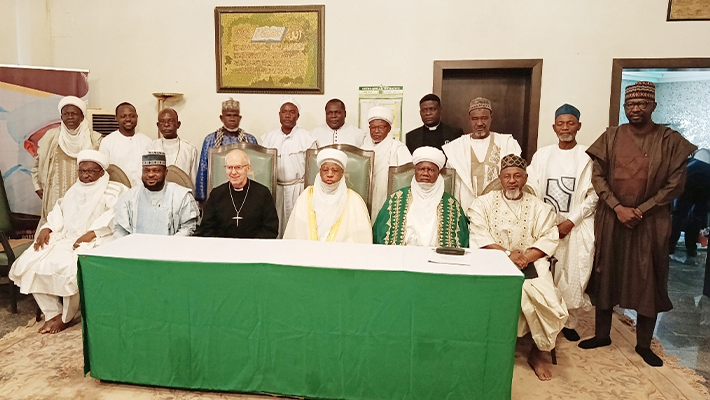
Sultan, ex-Archbishop of Canterbury urge peaceful coexistence in Nigeria, beyond
“There is a need for a strong call on religious and faith communities to work towards checking all forms of hatred,” the Sultan said.
Abuja
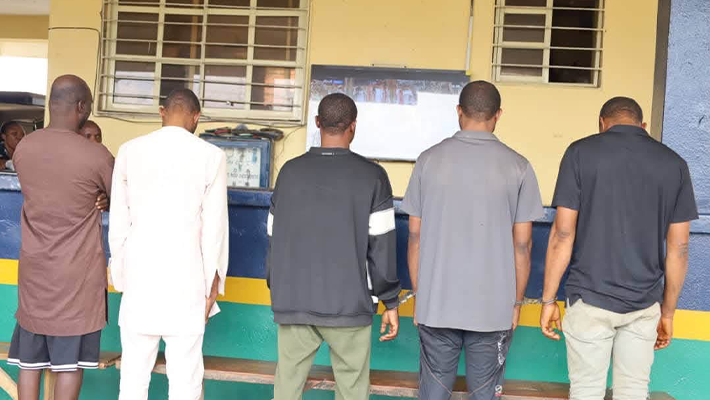
Police arrest suspected ‘one chance’ robbers in Abuja
The FCT police command arrested three suspected members of a ‘one chance’ robbery gang in Abuja.

Economy
TCN, Imcomtel inspect Katsina substation ahead of major installation
TCN, Katsina sub-region, and Imcomtel Engineering Limited inspected the Katsina 330/132/33 kilovolt (kV) transmission substation project ahead of a major installation.


