


Elites seeking “radical options” to salvage Nigeria from disaster: Former U.S. Envoy Campbell
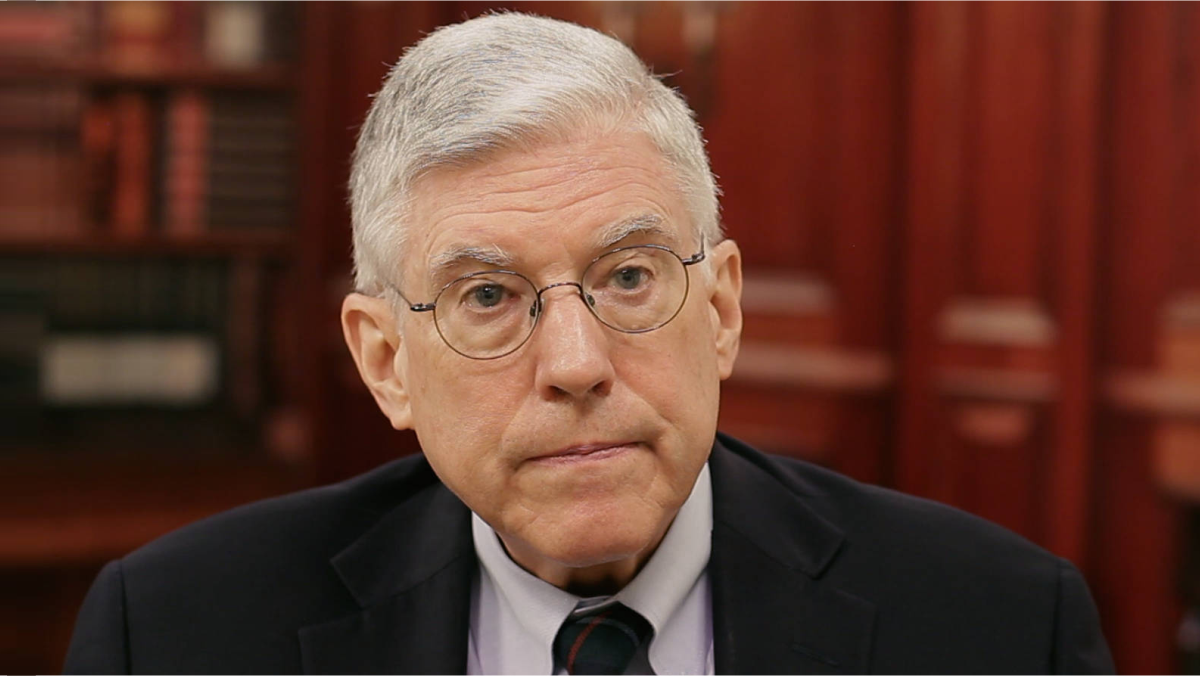
Former United States ambassador to Nigeria, John Campbell, has stated that the elites in Nigeria have now reached a consensus that the nation was at a precipice of total failure and are now seeking radical options to block the impending disaster supervised by the Buhari regime.
Mr Campbell disclosed this on Thursday in an article titled, “Nigeria: Anxiety over deteriorating security morphing into panic” and published by the Council on Foreign Relations.
The CFR Senior Fellow for Africa who is doubtful of Nigeria’s unity, in the publication said: “Something of a consensus among Nigerian elites seems to be forming that the country is in deep trouble and that radical options must be considered.”
Mr Campbell however noted that the concerned leaders are yet to come to terms with a perfect approach or strategy to salvage the ship of state from imminent collapse.
“But no consensus exists about what state collapse would look like, what the way forward should be, and what “radical restructuring of the Nigerian state” would actually mean or how it could be achieved,” he opined.
A few Nigerian elites have in the past days raised alarms on the troubling security and economic situation in the country.
Elder statesman and senior lawyer Robert Clarke lamented Nigeria’s poor security, expressing doubts about the country’s survival in the nearest future during a Sunday morning interview on Channels TV.
“Many things are happening and I swear by my father’s grave, if care is not taken, Nigeria will collapse in the next six months time,” he said.
Former President Olusegun Obasanjo on Wednesday in Abeokuta warned that minority groups in Nigeria risk being exterminated if the country disintegrates, describing calls for break up of the country by some regions as unmindful and insensitive to the plight of the country’s minority groups.
Mr Obasanjo said: “If Yoruba can stand as a country, if the Igbos and Hausa/Fulani can stand as separate countries, where do we want the minority groups to be? Now, by virtue of the present situation, they are a little bit protected, but if Nigeria breaks up, they will be oppressed and exterminated.”
In the same vein, leader of pan-Yoruba group, Afenifere, Ayo Adebanjo, who spoke to Peoples Gazette on Thursday said, “Anything that can save us from disintegration should be done, and our answer to that is restructuring.
“It’s not only the minority that will suffer, it’s the whole country and its not worth it. If you don’t restructure, you can’t stop disintegration.”
Nobel Laureate Wole Soyinka has also from time to time expressed his disappointment at the turn of events in Nigeria. In January, he described the country’s situation under President Muhammadu Buhari as “hopeless.”
In the wake of the recently renewed security breakdown across the country with its attendant killings and abductions, Mr Soyinka rebuked Mr Buhari to seek help and stop improvising with human lives.
Mr Campbell had earlier in the week, following Mr Buhari’s plea for the relocation of AFRICOM headquarters to Africa, said the request suggests that the Buhari regime and indeed Africa has lost control of its security.
“President Buhari’s shift away from Nigerian opposition to establishing AFRICOM’s headquarters in Africa likely reflects the conclusion that the security situation in West Africa and Nigeria is out of control,” he said.
The former U.S. envoy also bared his thoughts on the controversy concerning the country’s communications minister, Isa Pantami, and his pro-terrorist comments in the past.
Mr Campbell said: “For the time being, Pantami has become a lightening rod for those deeply suspicious of Islam and also of the Buhari administration.”
He however stated that solutions to Nigeria’s many challenges are not immediately clear on the horizon.
“For now, however, the outlook would seem to be continuing, perhaps accelerating instability and uncertainty,” he posited.

We have recently deactivated our website's comment provider in favour of other channels of distribution and commentary. We encourage you to join the conversation on our stories via our Facebook, Twitter and other social media pages.

More from Peoples Gazette

Agriculture
FG tasks ECOWAS on leveraging financing strategies for agroecology
The federal government has urged stakeholders in the agriculture and finance sectors in the West Africa region to leverage financing strategies to enhance agroecology practices

Politics
Katsina youths pledge to deliver over 2 million votes to Atiku
“Katsina State is Atiku’s political base because it is his second home.”

Hot news Home top
Europe’s biggest automaker Volkswagen to sack 100,000 workers
The automaker is also planning to shut down four of its German plants.
States
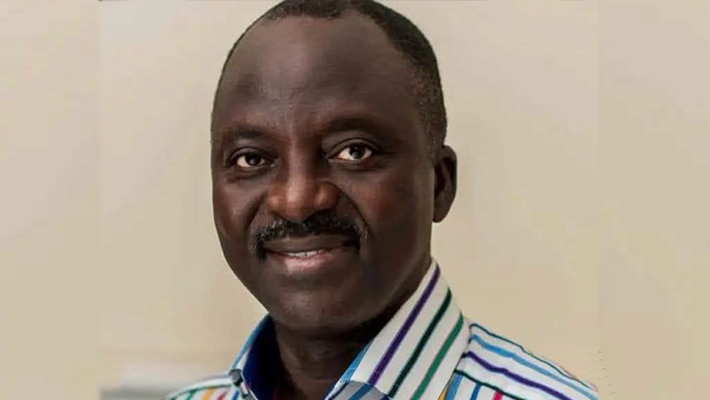
Oyo APC governorship candidate Alli mourns ex-governor Ajimobi’s younger brother
Mr Alli described Mr Ajimobi’s death as a painful loss to Oyo and the progressive family.
Heading 5
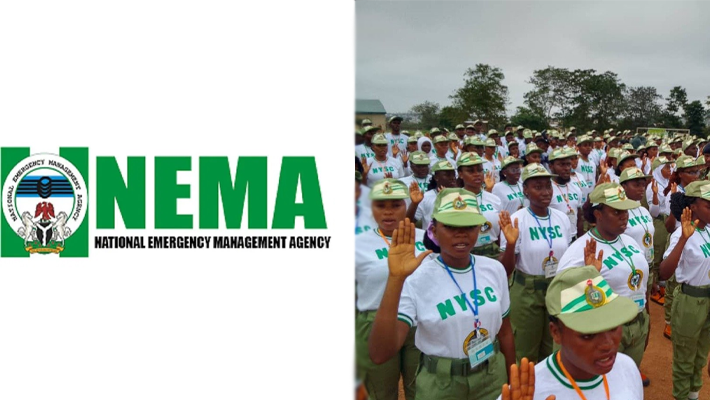
NEMA tasks corps members on grassroots disaster preparedness
According to her, the partnership with the NYSC has strengthened community resilience.

Heading 2
Festus Ogun, Sowore, other Nigerians react to deregistration of NDC
A lawyer, Festus Ogun, claimed President Bola Tinubu wants to run for president in 2027 without strong opposition candidates.
World
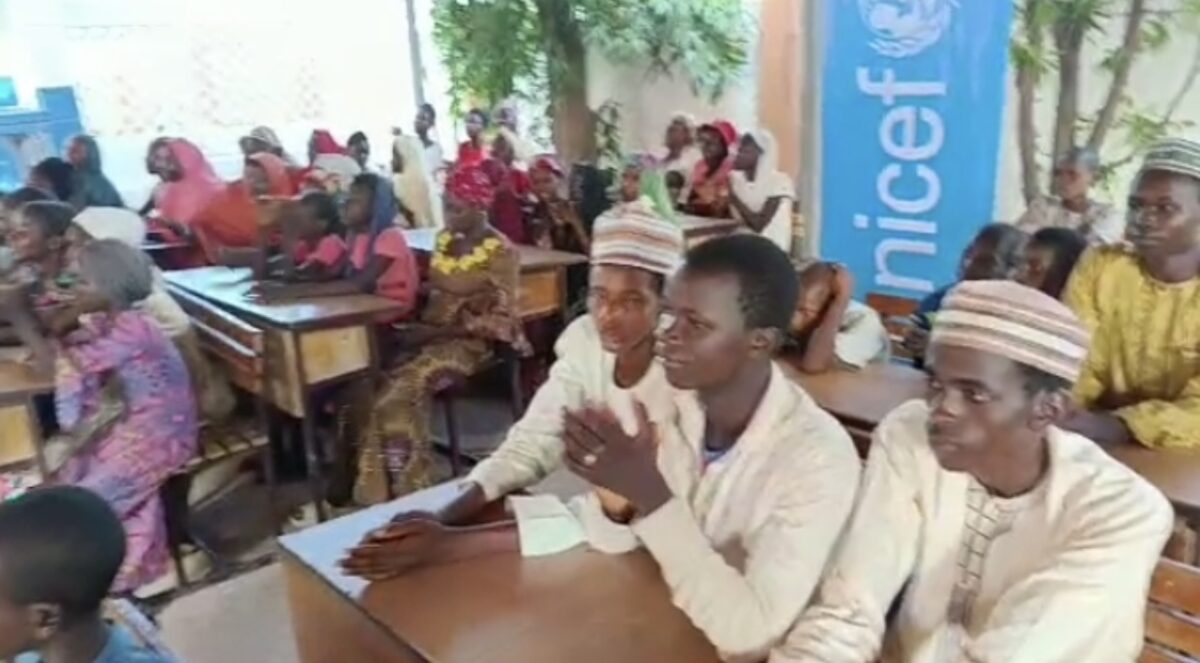
Over one billion children face overlapping climate hazards worldwide; Nigeria ranks high: Report
The hazards are subsequently affecting the health, education, and survival of the population.
World
Venezuela earthquake death toll rises to 589 as rescue efforts continue
La Guaira and Caracas have been the worst-hit cities.


