

Experts recommend WASH strategy to prevent cholera outbreak in Nigeria
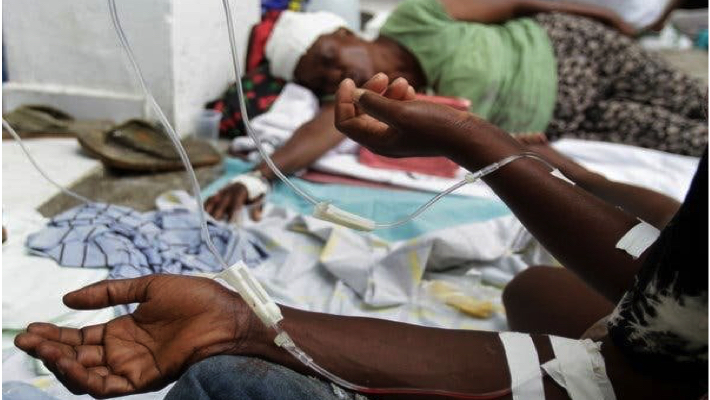
Stella Smith, a research director at the Nigeria Institute of Medical Research, has highlighted the need to adopt a ‘Wash Strategy’ to prevent the outbreak of cholera in the country.
Ms Smith, who works at the Department of Molecular Biology and Biotechnology in NIMR, said this at the institute’s monthly media chat in Lagos on Tuesday.
She said the WASH strategy would ensure the availability and access to safe, clean and potable water for citizens, noting that every individual should have at least 20 litres daily.
The director identified places like Kano, Bauchi, Kaduna, Abia, Ebonyi, Port Harcourt and Lagos as cholera hotspots in the country.
She said, “Cholera is caused by contaminated water or food, especially in areas with poor sanitation and hygiene, hence the need for people to have access to clean water.
“Safe, potable water is essential for preventing cholera. Simple actions like washing hands with soap and water, avoiding cooking with unwashed hands, and ensuring proper disposal of waste can significantly reduce the risk of infection.”
Ms Smith also emphasised the need for food vendors to practise good hygiene, noting that 420,000 people die annually from food-borne disease, while over six million fall sick after consuming contaminated food.
She commended Lagos for its swiftness in handling cholera outbreaks in the country, noting that the last outbreak in 2024 was swiftly curtailed.
Toyosi Raheem, the head of the Molecular Biology and Biotechnology Department at NIMR, also called for more awareness to end open defecation in the country.
Mr Raheem, who attributed some of the cholera outbreaks in the country to contamination caused by open defecation, noted that some of these faeces found their way to food and water consumed in the country.
He noted the need for constant engagement with stakeholders, including researchers, food vendors, health personnel and the community, to foster and promote good hygiene.
“When the government comes up with policies to end open defecation, people perceive some of the actions taken by the government to be harsh. If you join a train moving from Lagos to Ibadan, you will see faeces deposited along the rail. All these faeces will be washed into the river when it rains, and we end up consuming them,” he said.
In addition, the expert called for community engagement to boost research efforts that could proffer solutions to health issues within communities.
(NAN)

We have recently deactivated our website's comment provider in favour of other channels of distribution and commentary. We encourage you to join the conversation on our stories via our Facebook, Twitter and other social media pages.

More from Peoples Gazette

States
Independence: NBA urges Nigerians to expect better future
The NBA said that ordinary Nigerians should be deriving benefit from the subsidy removal rather than hardship.

Agriculture
FG tasks ECOWAS on leveraging financing strategies for agroecology
The federal government has urged stakeholders in the agriculture and finance sectors in the West Africa region to leverage financing strategies to enhance agroecology practices

Politics
Katsina youths pledge to deliver over 2 million votes to Atiku
“Katsina State is Atiku’s political base because it is his second home.”

Hot news Home top
Australia, U.S., UK issue travel alerts to citizens amid Houthi attacks on Saudi airports
The embassy advised Australians already in the country who wished to leave to do so while commercial travel options remained available.

NationWide
Expert says hospitality sector crucial to Nigeria’s cultural promotion
The president stressed the need to train hospitality workers to provide services that meet international standards and ensure positive experiences for visitors.

States
Police rescue one-month-old baby allegedly sold by mother for N2 million in Oyo
Mr Ayanlade said investigations showed that the baby’s mother received N1 million of the N2 million paid by the buyer.

World
Alberta’s separation from Canada referendum results will be announced October 29
A simple majority in favour of independence in the vote could trigger the legal process required to hold a referendum.

Hot news Home top
Ex-U.S. defence official convicted for helping Nigeria-based scammers launder fraud proceeds released from prison
Prosecutors alleged that the offences occurred between July 2023 and December 2025 when Mr Marcus served as a money mule for online scammers operating in Nigeria.
Heading 1
TCN announces six-hour disruption of electricity supply in parts of Abuja
The company said the exercise would take place from 10:00 a.m to 4:00 p.m on Saturday.


