

Cooling demand to triple by 2050: UNEP
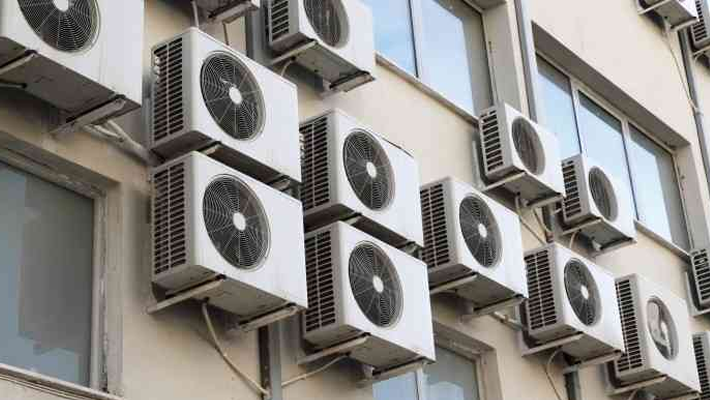
The cooling demand is set to triple globally by 2050, driving climate change and overloading power grids, according to a report by the UN Environment Programme (UNEP).
The report, released on Tuesday in Belem, Brazil, encouraged countries to embrace the Sustainable Cooling Pathway (SCP), which would cut 64 per cent of cooling emissions by 2050.
According to the report, the SCP is capable of protecting three billion people from rising heat, saving up to $43 trillion in avoided electricity and infrastructure costs.
The SCP, published by the UNEP-led Cool Coalition, is the most comprehensive assessment to date of rapidly growing global demand for cooling and the need for climate-friendly solutions to address the issue.
It can provide access to space cooling or refrigeration, resilient buildings, and urban green spaces to all, including low-income and vulnerable groups—such as smallholder farmers, women, and the elderly—without exacerbating the climate crisis.
The report stated that adopting sustainable cooling, with a strong focus on passive techniques such as low-energy and hybrid cooling, which combines fans and air conditioners that consume little or no power, could reduce greenhouse gas emissions.
According to it, sustainable cooling can save trillions of dollars and expand access to life-saving cooling for those who need it.
“Global Cooling Watch 2025, launched today at COP30 in Belém, Brazil, finds that cooling demand could be more than triple by 2050 under business as usual, driven by increases in population and wealth.
“Also, by more extreme heat events and low-income households increasingly gaining access to more polluting and inefficient cooling.
”This would almost double cooling-related greenhouse gas emissions over 2022 levels.
“This tends to push cooling emissions to an estimated 7.2 billion tons of CO₂e by 2050 despite efforts to improve energy efficiency, phase down climate-warming refrigerants, and overwhelm power grids during peak load,” it said.
The report stated that adopting SCP would reduce emissions to 64 per cent, 2.6 billion tons of CO2e , below the levels expected in 2050.
“When combined with rapid decarbonisation of the global power sector, residual cooling emissions could fall to 97 per cent below business-as-usual levels, “ it added.
(NAN)

We have recently deactivated our website's comment provider in favour of other channels of distribution and commentary. We encourage you to join the conversation on our stories via our Facebook, Twitter and other social media pages.

More from Peoples Gazette

Agriculture
FG tasks ECOWAS on leveraging financing strategies for agroecology
The federal government has urged stakeholders in the agriculture and finance sectors in the West Africa region to leverage financing strategies to enhance agroecology practices

Politics
Katsina youths pledge to deliver over 2 million votes to Atiku
“Katsina State is Atiku’s political base because it is his second home.”

Politics
Security tightened in Awka ahead of Remi Tinubu’s visit
Security has been beefed up across Awka ahead of the visit of Nigeria’s first lady, Remi Tinubu, to the state on Thursday.

Health
Biotechnology touted as boost for Nigeria’s food, health security
Some Nigerian biotechnologists say biotechnology is key to strengthening Nigeria’s food security, healthcare, job creation and economic diversification.

Anti-Corruption
Anambra businessman Nathan Ogbatue under scrutiny after raking in $36 million from U.S. healthcare system
Nathan Ogbatue began acquiring multimillion-dollar properties around the time he stopped filing the utilisation report, buying a luxury mansion and beach house.

Politics
Kalu mobilises Nigerians in diaspora to support Tinubu
The senator representing the Abia North senatorial district, Orji Uzor Kalu, has called on Nigerians in the Diaspora to support President Bola Tinubu’s re-election bid in 2027.

Politics
APC campaign will focus on Tinubu’s achievements, not promises: Yari
The APC Presidential Campaign Council says its electioneering will focus on the achievements of President Bola Tinubu rather than promises or attacks on individuals.

Politics
Nasarawa assembly urges works ministry, contractors to deliver quality, speedy road projects
The Nasarawa State House of Assembly has urged the works ministry to ensure the provision of quality roads.


