

Lagos residents groan over rising cost of sachet, bottled water
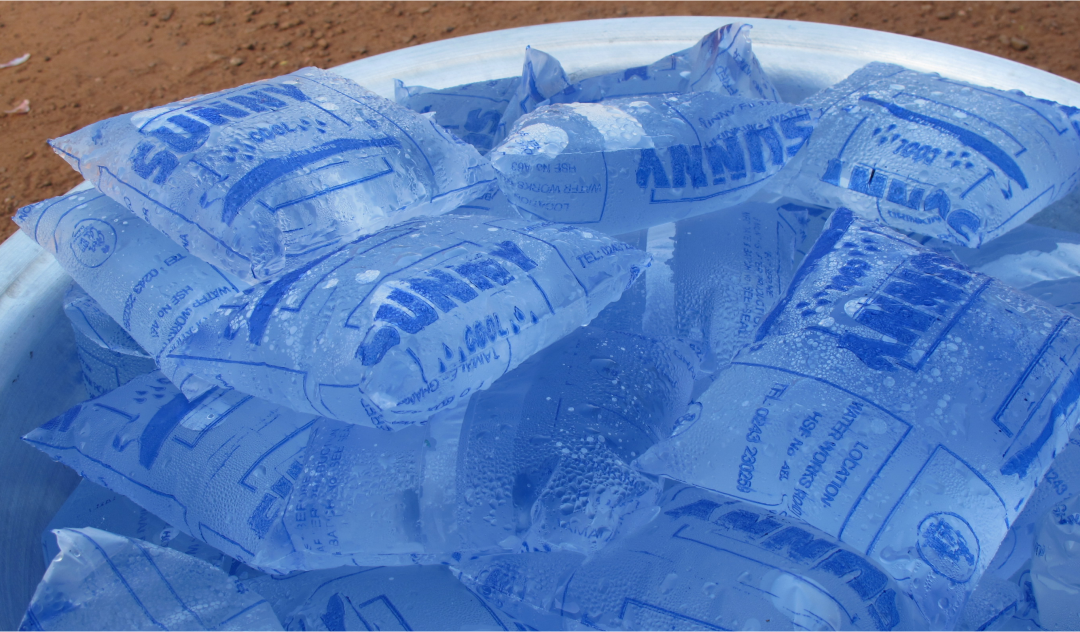
Residents across parts of Lagos State are grappling with rising costs of sachet, bottled water, a development significantly affecting household budgets and daily living.
A market survey indicated a steady increase in the prices of sachet, bottled and dispenser water in recent months, forcing many families to adjust consumption patterns.
A bag of sachet water, popularly known as “pure water,” now sells between ₦500 and ₦800 in many areas, up from ₦350 to ₦450 recorded late in 2025.
They expressed concern that the persistent increase was forcing them to divert part of their feeding allowance to water, with some resorting to alternative and sometimes unsafe sources.
A resident of Ikeja area of the state, Justina Orjiakor, said the rising cost had compelled her family to ration water.
“In my family, we consume a lot of water. I used to buy two trips of 22 bags weekly for my household of four, but now I can only afford one. The rationing is not easy on us,” she said.
An airport worker identified only as Godwin, said the increase had altered his spending pattern.
“Water is essential, but the price of bottled water keeps rising every few weeks from N1,400 late last year to N1,700 at the moment. It is becoming difficult to keep up,” he said.
Another resident who gave her name only as Chiamaka said the rising cost of dispenser bottled water from N1,200 to N1,700 was forcing her family to consider switching to sachet water, blaming frequent price hikes on vendors.
Another consumer, Ifeyinwa Ezeokoli, who resides at Ajao Estate area of the state, said she spends between N16,000 and N20,000 on sachet water monthly for her family.
“I buy 10 bags of water for N4,000 at my area directly from the company,” she said.
A civil servant identified only as Ms Ezeokoli lamented that the cost was taking a toll on her monthly spending coupled with the rising food inflation.
She lamented that the producers have reduced the size of sachet water drastically in spite of the hike in the price.
Ms Ezeokoli called on the Lagos State government to ensure provision of basic social amenities to avoid preventable water borne diseases in the state.
She emphasised the need for sustainable measures to ensure access to affordable and safe drinking water.
However, vendors attributed the increase to rising production and distribution costs, including transportation and fuel.
A shop owner in Ikeja, Opeyemi Akintunde, said frequent price changes were affecting both her business and customer relations.
“The price changes almost every two months, and customers think I am responsible,” she said.
She noted that the situation had turned daily transactions into prolonged explanations, as customers often complain or refuse to buy at new rates.
“I spend more time explaining than selling. Some customers even insult you, not realising that we are also struggling,” she said.
Ms Akintunde, who has been in the trade for over seven years, said suppliers frequently adjust prices, leaving retailers with no option but to follow suit.
“When I buy at a higher price, I have no choice but to sell higher,” she said.
At Agege Market, another vendor, Amaka Nwosu, said the increase in purchase cost had forced her to adjust her prices.
“We are not making extra profit. The companies increase their prices, and we have no choice but to comply,” she said.
Some sachet water producers blamed the trend on rising production costs.
A producer, Jibril Olatunji, said the cost of nylon, diesel and transportation had increased significantly.
“We rely heavily on diesel due to unstable power supply. Packaging materials are also more expensive,” he said.
Mr Olatunji added that multiple levies and regulatory charges further increased operational costs.
The National President, Association of Table Waters Producers of Nigeria (ATWAP), Abdulhakim Mudathir, attributed the recent increase in the price of sachet and table water to rising production costs caused by global economic challenges and increasing local taxes.
Mr Mudathir said that most of the raw materials used in the production of sachet and table water are imported, and prices surged significantly following the Iran-U.S. crisis.
“Yes, the increase in the price of sachet water, table water and other related products appears to be a global issue. Most of the materials we use are imported.
“Before the Iran-U.S. war, the prices of these materials were relatively stable. But as the crisis progressed, we witnessed about an 80 per cent increase in the cost of materials used in water production,” he said.
The ATWAP president noted that producers were currently operating under extremely difficult conditions and were making efforts to minimise the burden on consumers.
“We are producing only by the mercy of God. We are trying to adjust, considering the suffering of the masses. We are looking for the least possible cost of production, but as of now, many producers are not even making profit,” he said.
He explained that while a bag of sachet water previously cost between N250 and N300 to produce, current production costs had risen sharply.
“Before now, producing a bag of sachet water cost around N250 to N300. But today, production cost is almost around N350 per bag.
“So, when people say they are still selling at N300, I honestly do not know how they are managing,” he added.
He expressed optimism that prices would stabilise if the global crisis eased, but warned that other factors, including multiple taxation, could continue to affect production costs.
He said, “We pray that the crisis will subside and, if everything returns to normal, prices may also normalise.
“However, whether prices will truly go down also depends on other factors such as the introduction of various taxes, all of which are increasing production costs.”
(NAN)

We have recently deactivated our website's comment provider in favour of other channels of distribution and commentary. We encourage you to join the conversation on our stories via our Facebook, Twitter and other social media pages.

More from Peoples Gazette

Agriculture
FG tasks ECOWAS on leveraging financing strategies for agroecology
The federal government has urged stakeholders in the agriculture and finance sectors in the West Africa region to leverage financing strategies to enhance agroecology practices

Politics
Katsina youths pledge to deliver over 2 million votes to Atiku
“Katsina State is Atiku’s political base because it is his second home.”
Heading 5
2027: YPP unveils Lagos secretariat
Mr Filani said the party was committed to rescuing Nigeria through purposeful leadership.

Hot news Home top
Spain, Argentina, France top FIFA rankings
Spain moved up one place to displace Argentina from the top spot.
Agriculture
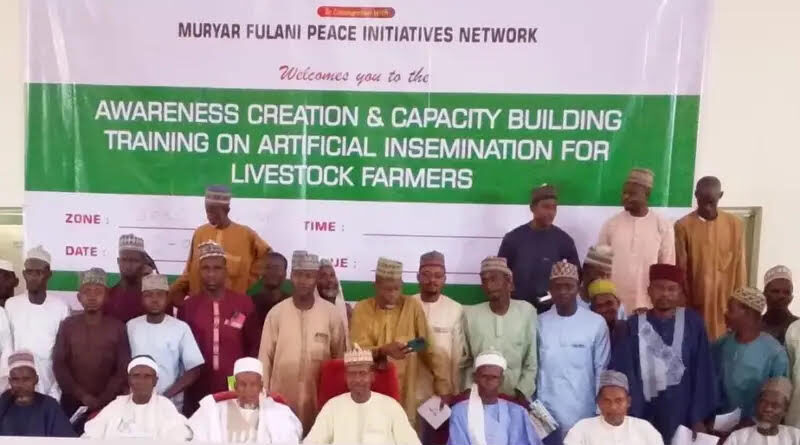
Sokoto trains livestock farmers on artificial insemination
Mr Abubakar said the initiative would strengthen breeders’ capacity.
Heading 5
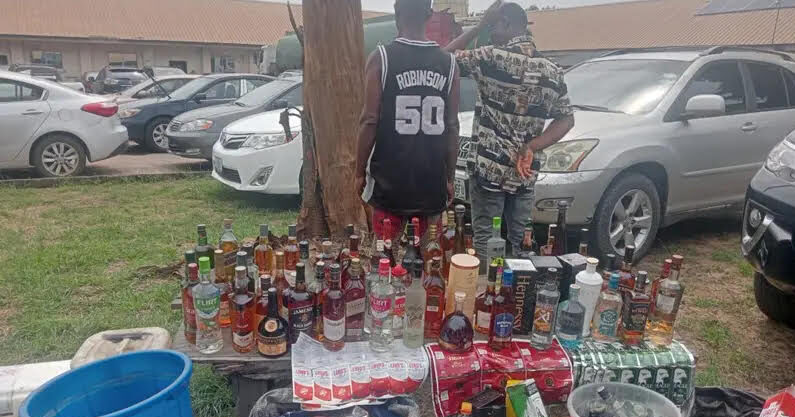
NAFDAC nabs two fake alcohol merchants in Lagos
He urged operators dealing in regulated products to comply with all NAFDAC regulatory requirements.
Lagos
Police nab 147 suspected criminals in Lagos
The operatives targeted criminal hideouts across the state on Sunday, July 19, 2026.

Heading 1
Tinubu names Fayose, 25 others in new appointments
All the appointments take immediate effect.


