

World diplomats turn to regional treaties to avert nuclear escalation
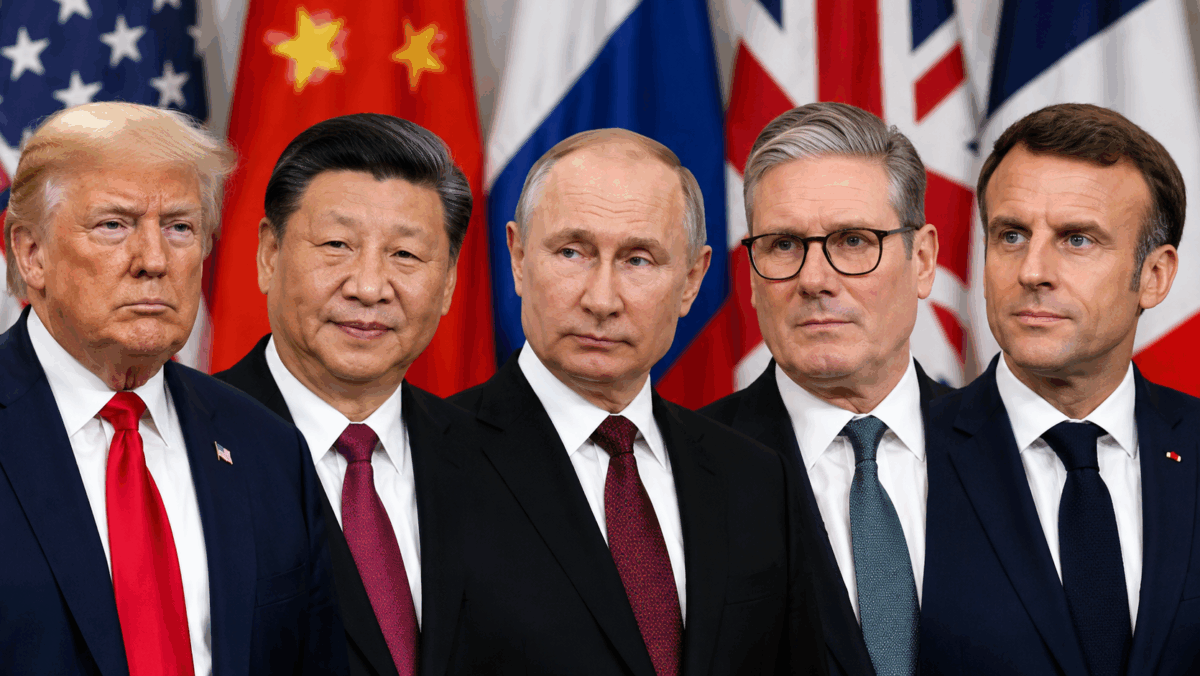
After the failure of 191 states parties to the Treaty on the Non-Proliferation of Nuclear Weapons to reach a consensus on a final outcome document at the recent NPT review conference, disarmament experts and senior diplomats are looking to nuclear-weapon-free zones as the most effective “bottom-up” mechanisms remaining to reduce global atomic risks.
The experts and diplomats gathered in Vienna, Austria, to mark the 20th anniversary of the Treaty of Semipalatinsk, which established the Central Asian Nuclear-Weapon-Free Zone.
Organisers and speakers noted that with NWFZs currently shielding the entire Southern Hemisphere alongside key adjacent regions, strengthening these existing treaties would provide a viable strategy for stabilising volatile borders.
According to them, by locking in non-possession at the regional level, non-nuclear states can systematically strip away geographic operating space from nuclear-armed nations, containing the risk of accidental or intentional escalation from the ground up.
The analysts pointed to the Protocols of the Treaty of Tlatelolco in Latin America and the Treaty of Pelindaba in Africa as case studies.
Speaking at a high-level symposium on Wednesday organised by Open Nuclear Network and Global Neighbours, in partnership with the Vienna School of International Studies, Mukhtar Tileuberdi, the permanent representative of Kazakhstan to the United Nations, restated that regional accords offer immediate, legally binding security architecture while global grand bargains remain paralysed by intense geopolitical rivalries among major powers.
Mr Tileuberdi explained that “when global agreements are stalled, it is these regional zones that safeguard entire continents from the threat of nuclear deployment”.
He added, “They represent a concrete commitment to international peace, proving that regional diplomacy can erect legal barriers against atomic weapons even when major nuclear powers are locked in confrontation.”
Meanwhile, the panel discussion acknowledged that a structural vulnerability limits the real-world efficacy of the world’s five major nuclear-weapon-free zones (the conditional and legally fragile nature of the negative security assurances provided to them by nuclear-armed states).
Additionally, a panel of legal scholars and diplomatic practitioners observed that while regional treaties strictly bind local signatories to non-possession, the written guarantees from nuclear powers promising not to use atomic weapons against the NWFZs are undermined by unilateral “interpretive declarations”.
“The core issue is that these security guarantees are often treated by nuclear weapon states as conditional political statements rather than permanent, legally binding obligations,” said Andreas Persbo, director of the ONN. “Without formal, uncompromised, and ratified protocols attached to these regional treaties, non-nuclear states are left legally exposed to the shifting doctrines of nuclear-armed capitals.”

We have recently deactivated our website's comment provider in favour of other channels of distribution and commentary. We encourage you to join the conversation on our stories via our Facebook, Twitter and other social media pages.

More from Peoples Gazette

States
Independence: NBA urges Nigerians to expect better future
The NBA said that ordinary Nigerians should be deriving benefit from the subsidy removal rather than hardship.

Agriculture
FG tasks ECOWAS on leveraging financing strategies for agroecology
The federal government has urged stakeholders in the agriculture and finance sectors in the West Africa region to leverage financing strategies to enhance agroecology practices

Politics
Katsina youths pledge to deliver over 2 million votes to Atiku
“Katsina State is Atiku’s political base because it is his second home.”
Abuja
Organisation, INEC partner to tackle voter apathy ahead of 2027 elections
She described elections as a fundamental human rights issue and an essential component of democracy.

Heading 2
2027: 86,931 PVCs ready for collection in Kogi, says INEC
Mr Shehu said the PVCs had been delivered to INEC offices in the 21 local government areas (LGAs) of the state.

Abuja
Tinubu’s praise singer Rarara mobbed in Abuja mosque over support for Nigeria’s president
Some worshippers were seen surrounding and dragging Mr Rarara, who was dressed in an agbada.

States
Ododo extends retirement age for clinical health workers to 65
He said the initiative was part of the administration’s efforts to improve the welfare of healthcare personnel.

Heading 5
GOC urges newly promoted colonels to uphold army values
The GOC described the promotion as a recognition of the officers’ hard work.

States
Four dead, 24 rescued as boat capsizes in Bayelsa
Patrols along the waterways have also been intensified.


