

National Democracy Day: Twelve quick facts about June 12
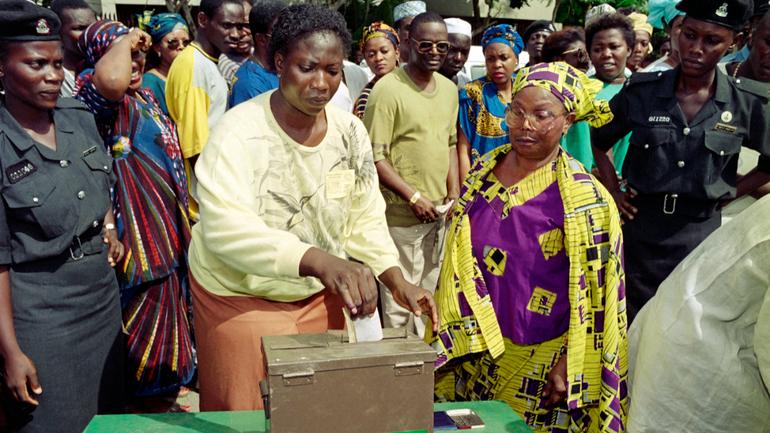
June 12 entered Nigeria’s political discourse 32 years ago, when the most populous African country held its 1993 presidential election, after 10 years of military rule.
Though it was not Nigeria’s first election, the June 12, 1993, election date has become a major public holiday of historical significance, Nigeria’s Democracy Day.
Here are 12 things you need to know about June 12.
1. On June 12, 1993, Nigeria held its first presidential election after the 1983 military coup d’état that ousted democratically elected President Shehu Shagari, truncated the Second Republic and ushered in the Muhammadu Buhari regime.
2. The June 12, 1993, election was Nigeria’s first election in which the “Option A4 open ballot system” was adopted. The system saw voters line up behind posters of their preferred candidates.
3. June 12, 1993 elections featured the first same faith, Muslim-Muslim candidates, Moshood Abiola, a business mogul and Babagana Kingibe, a diplomat, as presidential and vice presidential candidates of the Social Democratic Party.
4. Bashir Tofa, and Sylvester Ugoh, an ex-Minister of Science and Technology and governor of Bank of Biafra during the Nigerian Civil War, were presidential and vice-presidential candidates of the National Republican Convention in the June 12, 1993 presidential election.
5. Humphrey Nwosu, a professor of political science from the University of Nigeria, Nsuka, was chairman of the National Electoral Commission, which conducted the June 12 election, adjudged as Nigeria’s freest and fairest.
6. Though adjudged free and fair, the Ibrahim Babangida regime annulled the June 12, 1993, election on June 23, 1993, days after halting results announcement showing Mr Abiola was in a clear lead.
7. The announced results showed that Mr Abiola of SDP polled 8,341,309 votes, 58.36 per cent of the votes cast, while Mr Tofa of NRC polled 5,952,087 votes, 41.64 per cent of the votes.
8. June 12, 1993 presidential election annulment sparked nationwide protests, leading to Mr Babangida’s resignation as president, ushering in the interim government of Ernest Shonekan from August 26, 1993 to November 17, 1993, when it was toppled by Sani Abacha.
9. Amid the struggle for him to be declared the winner of the June 12 election, Mr Abiola, in the Epetedo Declaration, on June 11,1994, declared himself the president of Nigeria, leading to his arrest and prolonged detention.
10. After four years in detention, Mr Abiola died on July 7, 1998.
11. In 2018, 25 years after the June 12 election, President Muhammadu Buhari shifted Nigeria’s Democracy Day from May 29 to June 12 to mark its significance in Nigeria’s history. Mr Buhari signed the Public Holiday Amendment Act into law on June 10, 2019.
12. Mr Abiola, the presumed winner of the June 12, 1993, election, who died in detention over the struggle, was posthumously awarded the Grand Commander of the Federal Republic (GCFR), an honour strictly reserved for heads of state.

We have recently deactivated our website's comment provider in favour of other channels of distribution and commentary. We encourage you to join the conversation on our stories via our Facebook, Twitter and other social media pages.

More from Peoples Gazette

States
Independence: NBA urges Nigerians to expect better future
The NBA said that ordinary Nigerians should be deriving benefit from the subsidy removal rather than hardship.
Agriculture
FG tasks ECOWAS on leveraging financing strategies for agroecology
The federal government has urged stakeholders in the agriculture and finance sectors in the West Africa region to leverage financing strategies to enhance agroecology practices
Politics
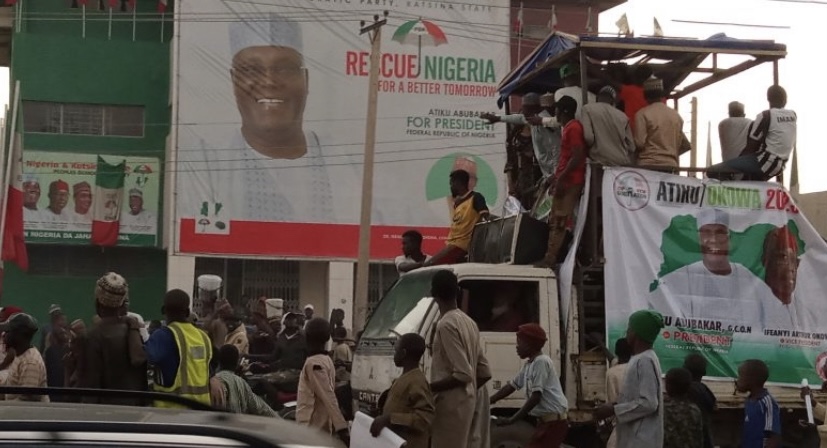
Katsina youths pledge to deliver over 2 million votes to Atiku
“Katsina State is Atiku’s political base because it is his second home.”

NationWide
World Bank predicts 23% rise in global commodity prices in 2026
The report said metal prices are projected to rise by 25 per cent in 2026.
NationWide
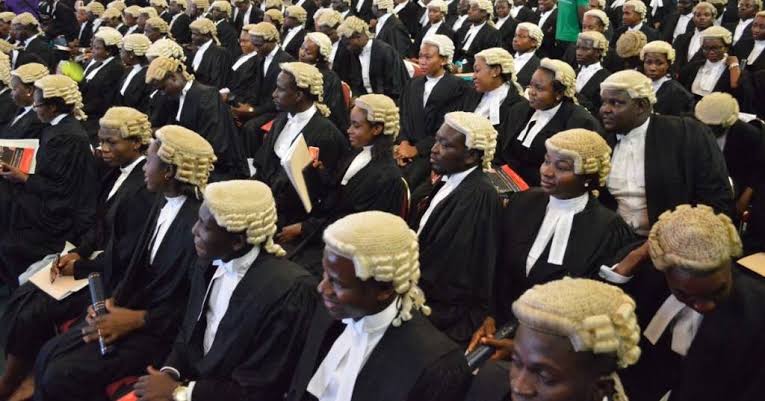
Lawyers advocate ADR techniques to resolve disputes
Bayo Akinlade, urged litigants to consider ADR as a better settlement option than litigation.

NationWide
Nestlé Nigeria appoints Egbebi communications, sustainability manager
The Chief Executive Officer of Nestlé Nigeria,Wassim Elhusseini, expressed appreciation to Ms Uwadoka for her contributions to the company and the communications profession.

NationWide
Nigeria’s prosperity hinged on transforming resources, human potential into tangible development outcomes: Dabiri-Erewa
The NiDCOM boss described Nigerians in the diaspora as strategic partners in the country’s development efforts.
NationWide
Senate confirms seven nominees for FRC board
Mr Olalere said the committee had no hesitation in recommending the nominees for confirmation.
States
My administration completed 1,070 road projects in Funtua senatorial zone, says Katsina governor
Mr Radda urged residents to pray for national unity and support President Bola Tinubu and other APC candidates in the 2027 general elections.


