


Eight things Nigerians should know about Tinubu’s state police bill

As many states in Nigeria battle insecurity with governors unable to decisively tackle the challenge, President Bola Tinubu on Tuesday transmitted a constitutional amendment bill seeking to establish state police to the Senate, a move that aligns with calls for policing reforms in line with robust federalism.
Mr Tinubu said the proposed legislation, titled, “Constitution of the Federal Republic of Nigeria (Alteration) State Police Bill, 2026,” with 26 clauses, seeks to create additional policing structures “to better protect our citizens.”
The bill to decentralise the police was passed in the House of Representatives on June 11 and also passed by the Senate on Wednesday.
If enacted into law, state police would be established, funded, and managed by the state governments, functioning alongside the Nigeria Police Force to tackle growing terrorism, banditry, cybercrime, kidnapping for ransom, and herder-farmer conflicts.
Over the years, there have been calls for state police, with advocates arguing that it would strengthen grassroots security by identifying local threats, fostering intelligence gathering, strengthening collaboration with traditional rulers, ensuring quicker response to insecurity in rural areas, and easing the burden on the federal police.
While the bill has received overwhelming support from state governors, civil society organisations, security experts, and politicians, critics have raised concerns that it could be misused to suppress dissent and intimidate political enemies and that states with low revenue could struggle to fund the institution.
From the legislative process to collaboration with the federal agency to the appointment of police commissioners, the Peoples Gazette has compiled a list of eight things to know about the police bill.
- For the bill to become law, despite its passage by both chambers of the National Assembly, at least 24 state assemblies must also approve it. If it fails to secure the required support, the amendment process will halt.
- State police will work alongside the federal agency. While the state police would handle local policing and crime detection and enforce state laws, the federal police would continue to focus on terrorism, organised crime, cybercrime, border security, and other national security matters.
- The bill empowers state governors to appoint police commissioners, but it is subject to confirmation by state assemblies and advice of the National Police Council. However, their removal would require the approval of a two-thirds majority of the state assembly.
- Under Section 17(6), the governors, as custodians of their respective states, may issue directives on public safety and order. Here, the National Police Council can challenge a governor’s directive deemed unlawful.
- The bill prohibits federal police from routinely interfering in the internal security affairs of state police and permits intervention only under limited circumstances, including issues bordering on national security threats, the breakdown of laws, critical rights, and electoral intimidation, among others. Such an intervention would be subject to presidential approval and Senate oversight.
- To address concerns about the potential weaponisation of state police, Section 17(7) provides measures to prevent abuse by prohibiting their use against critics of government or political parties.
- While there have been concerns about funding of the institution, especially by states with low revenue, Clause 14(b) postulates that the federal government “may” provide grants to state police, but this is subject to approval by the National Assembly and the Federal Police Service Commission’s recommendations.
- Clause 16 of the amendment bill provides for the establishment of the State Police Service Commission, comprising six retired police officers from the six geopolitical zones in the country and not below the rank of assistant commissioner of police. The president appoints them, and their appointments must be confirmed by the Senate.

We have recently deactivated our website's comment provider in favour of other channels of distribution and commentary. We encourage you to join the conversation on our stories via our Facebook, Twitter and other social media pages.

More from Peoples Gazette

Agriculture
FG tasks ECOWAS on leveraging financing strategies for agroecology
The federal government has urged stakeholders in the agriculture and finance sectors in the West Africa region to leverage financing strategies to enhance agroecology practices

Politics
Katsina youths pledge to deliver over 2 million votes to Atiku
“Katsina State is Atiku’s political base because it is his second home.”
Heading 2
Agency begins N810 million grant disbursement to 4,050 artisans in Kaduna
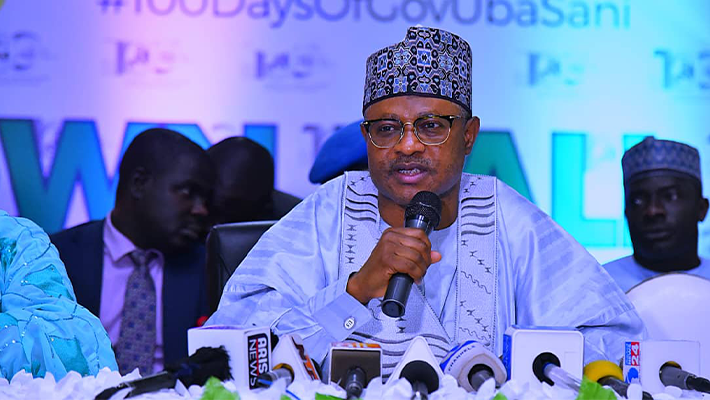
According to him, Governor Uba Sani approved N810 million as start-up capital for the graduates.

World
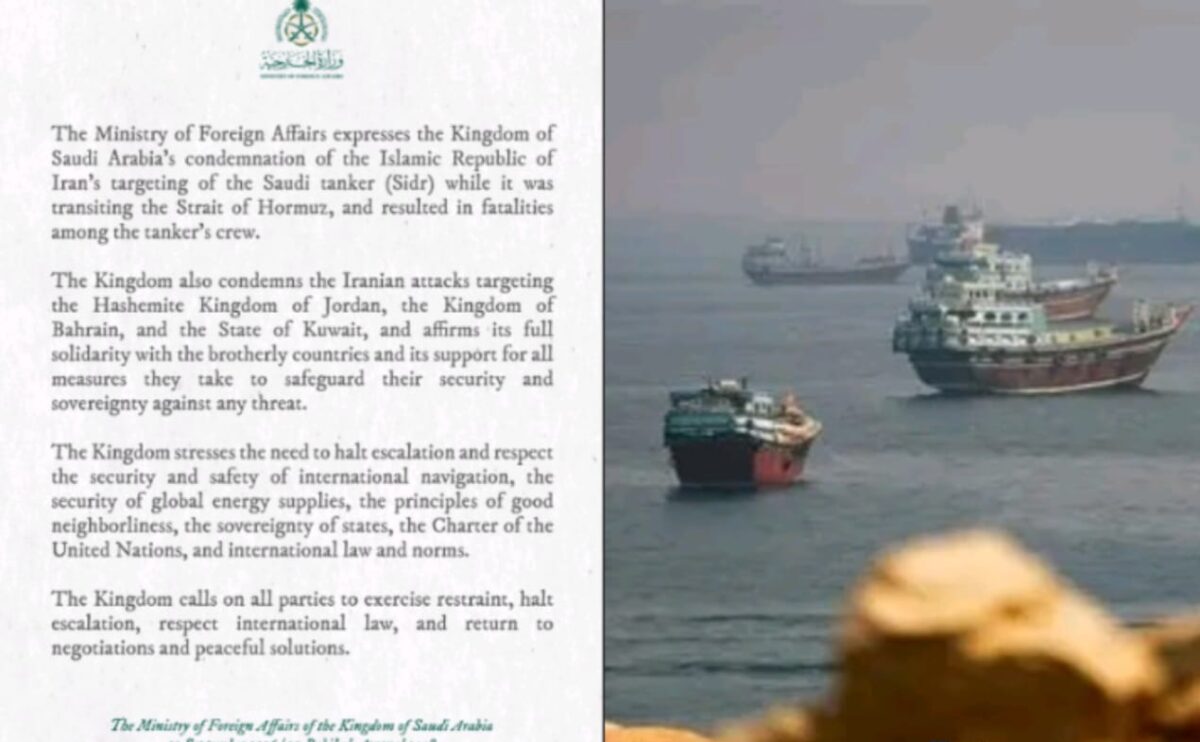
Two Filipino sailors die as Iran attacks Saudi oil tanker
Saudi Arabia stressed the need to halt escalation and respect the security and safety of international navigation.

Heading 3
Answer questions on your involvement in drug trafficking, money laundering in U.S., Atiku slams Tinubu
Mr Abubakar dismissed Mr Tinubu’s statement claiming he had been swindled by his lobby team.

Anti-Corruption
EFCC arraigns man over alleged N1.1 billion criminal proceeds
According to the commission, the offence occurred between January and December 2024.

Abuja
Flooding: Wike suspends FCDA director over illegal approvals on Abuja waterways
This followed recent flooding in parts of the FCT.


