

Kaduna riders brave rain, bad roads to keep livelihoods afloat
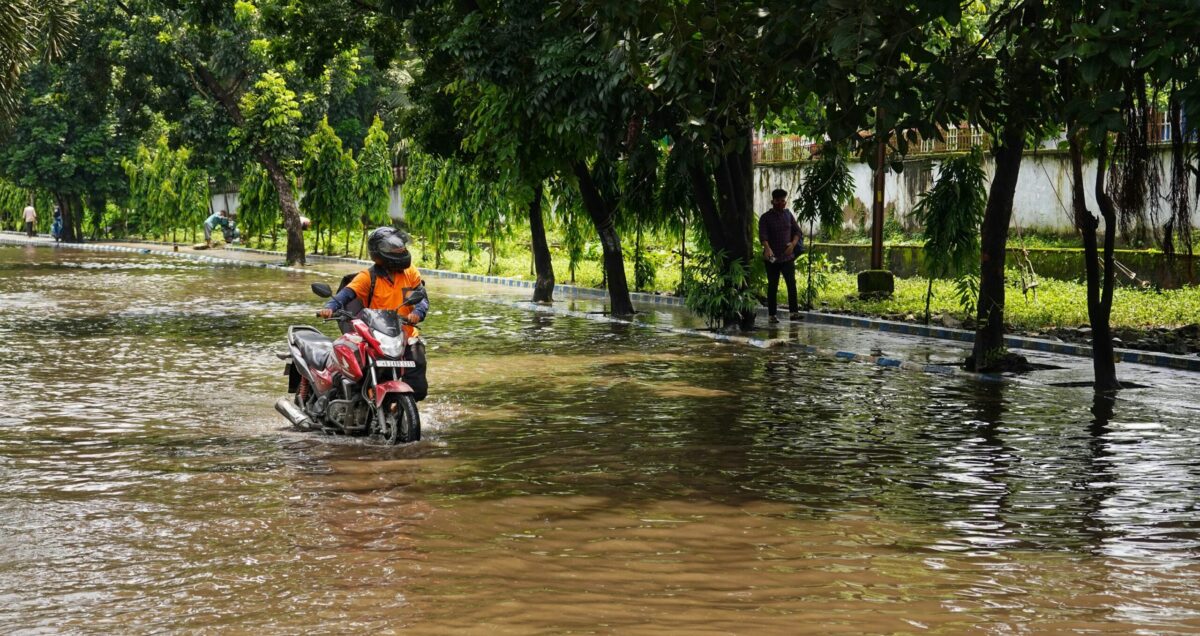
As dark clouds gather over Kaduna and heavy rains pound the city, most residents seek shelter, but commercial motorcycle and tricycle operators face another demanding day earning a living outdoors.
While many commuters dread the rains because of flooded roads and traffic congestion, commercial riders, popularly known as okada and keke operators, say the season presents a mix of opportunities and risks that shape their daily earnings and survival.
A survey across Kawo, Sabon Tasha, Kakuri, Barnawa and the Central Market areas of the city showed that although demand for commercial transport often rises during rainfall, operators contend with slippery roads, hidden potholes, frequent breakdowns, and an increased risk of accidents.
Ibrahim Musa, a motorcycle operator at Kawo, said every rainy day begins with uncertainty because the weather determines whether he returns home with enough money to provide for his family.
“When it rains heavily, many people do not want to walk, so more passengers look for motorcycles. Sometimes we make more money than on dry days because demand increases.
“But the danger is always there; potholes covered by water can throw you off your motorcycle before you even realise it is there. Once you fall, the money you made can end up being spent on treatment and repairs,” he said.
Peter John, who operates a tricycle in Barnawa, described the rainy season as a period of mixed fortunes.
According to him, although passenger traffic increases during showers, frequent repairs resulting from waterlogged roads consume a significant portion of his income.
“Every week, mechanics replace brake pads, wheel bearings or other parts damaged by bad roads, so what we gain from increased patronage is often spent on maintenance. Sometimes we stay off the road for hours waiting for the rain to stop, which also affects our income,” he said.
At Sabon Tasha, Grace Yakubu, a trader, said commercial riders remained the most dependable means of transportation whenever rainfall made movement difficult.
“When taxis refuse to enter flooded streets or charge very high fares, motorcycles and tricycles are usually the only option, and they help many of us reach our businesses and return home,” she said.
Some passengers, however, expressed concern over reckless riding during rainy weather, urging operators to prioritise safety over the rush to maximise earnings.
Emmanuel Joseph, a civil servant, said some riders sped through flooded roads despite poor visibility, thereby exposing themselves and passengers to avoidable danger.
“Most riders are responsible, but a few become careless because they want to carry more passengers before another rainfall begins, and that is dangerous for everyone,” he said.
A motorcycle mechanic in Kakuri, Sani Abdullahi, said the rainy season always increased the number of motorcycles and tricycles brought to his workshop for repairs.
”Water affects brakes, chains, wheel bearings and electrical components; as such, many operators delay maintenance until small faults become major problems that cost more money to fix,” he said.
Officials of transport unions urged operators to reduce speed during rainfall, avoid flooded roads where possible and ensure their motorcycles and tricycles remained roadworthy throughout the season.
They appealed to the Kaduna government to rehabilitate damaged roads and improve drainage to reduce accidents and protect the livelihoods of thousands of commercial transport operators.
For many riders, however, staying away from work is not an option. They continue to navigate Kaduna’s roads daily, driven by the need to feed their families and provide an essential transport service to residents.
As the rainy season continues, both operators and commuters hope that improved road infrastructure, better drainage systems where they are bad, and greater adherence to traffic regulations will make travelling safer while protecting the livelihoods of those who depend on commercial transportation.
(NAN)

We have recently deactivated our website's comment provider in favour of other channels of distribution and commentary. We encourage you to join the conversation on our stories via our Facebook, Twitter and other social media pages.

More from Peoples Gazette

States
Independence: NBA urges Nigerians to expect better future
The NBA said that ordinary Nigerians should be deriving benefit from the subsidy removal rather than hardship.

Agriculture
FG tasks ECOWAS on leveraging financing strategies for agroecology
The federal government has urged stakeholders in the agriculture and finance sectors in the West Africa region to leverage financing strategies to enhance agroecology practices

Politics
Katsina youths pledge to deliver over 2 million votes to Atiku
“Katsina State is Atiku’s political base because it is his second home.”

States
Ododo backs unity of Kogi indigenes, seeks lasting peace
Mr Ododo said the responsibility for building peace and unity should not be left to politicians.
NationWide
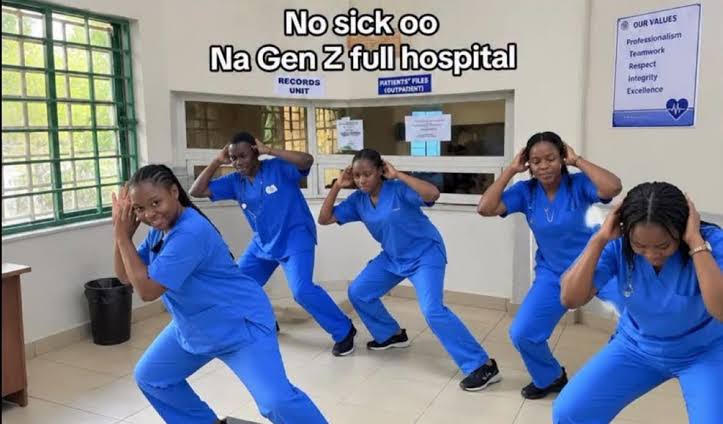
Amnesty International urges Madonna University to recall final year nursing student expelled over TikTok challenge
The rights group on Wednesday argued that the sanction was an overkill and consequently, disproportionate to the offence.
Heading 4
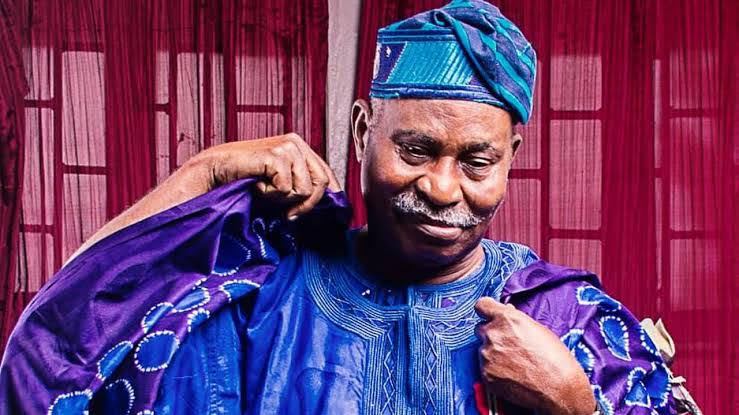
Veteran communication scholar Idowu Sobowale dies at 85
The family noted that arrangements for the deceased’s burial would be announced later.

Heading 5
FBI raids fraudsters’ hideout in Ghana, arrests suspected scammers
Mr Patel said the raid, codenamed “Operation Blackout”, was carried out on Thursday.
States
Court dismisses suit challenging Okoro’s nomination as APC candidate for Ekiti South constituency
The judge described the plaintiff as a “meddlesome interloper” and a “busybody.”
Abuja
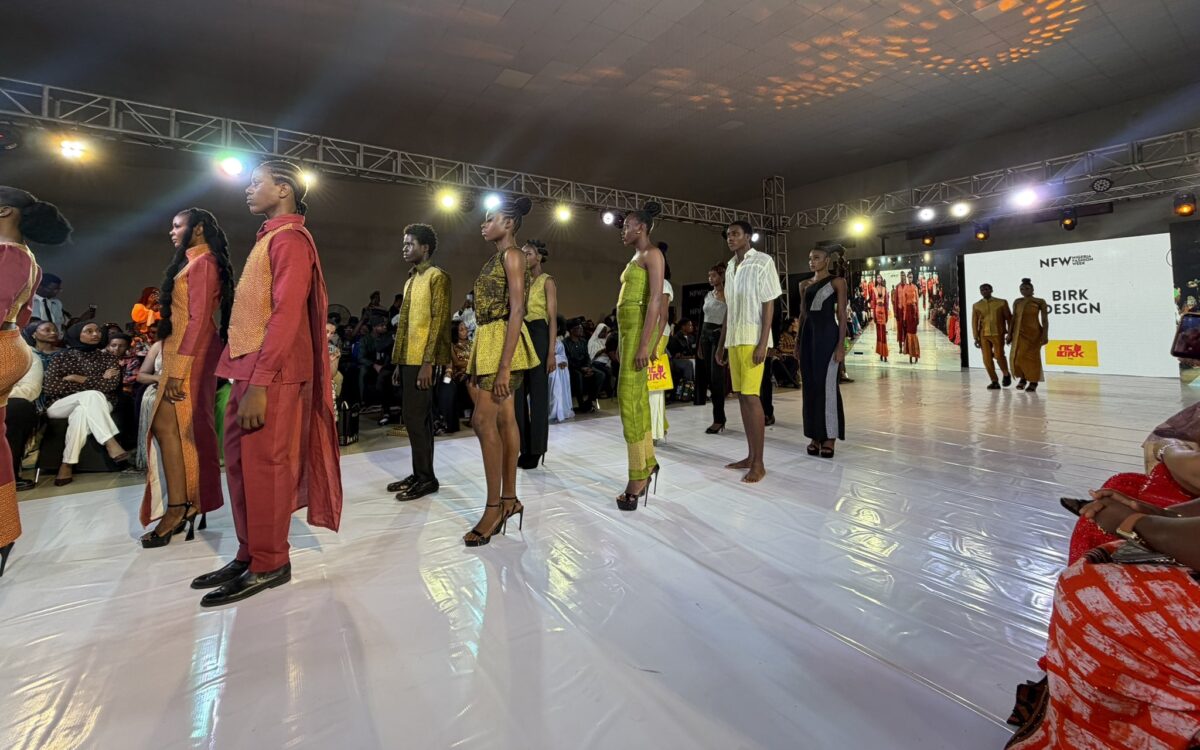
Designer seeks more investment in fashion industry to create jobs
A designer called on government at all levels and other stakeholders in Nigeria’s creative sector to invest more in the fashion industry to unlock its economic gains.


