

Despite $147 crude oil price, Yar’Adua sold petrol at N65 per litre, Atiku slams Tinubu

The presidential candidate of the African Democratic Congress, Atiku Abubakar, has slammed President Bola Tinubu over the pump price of petrol despite crude oil selling for less than $147 per barrel.
In a statement, Phrank Shaibu, the spokesman for the ADC presidential candidate, said President Musa Yar’Adua sold petrol at N65 per litre in 2008.
Mr Abubakar also accused Mr Tinubu of presiding over an organised system of grand larceny against Nigerians, noting that his administration is built on opaque Federation Account FAAC deductions, off-book transactions and other allegations.
“With crude oil around $102.52 per barrel, Nigerians are paying as much as ₦1,470 per litre. In 2008, when crude oil reached about $147 per barrel, petrol sold at ₦65 per litre under the Yar’Adua administration. The difference is that the government then understood that economic policy must ultimately protect the welfare of citizens,” Mr Abubakar said.
He said petrol at ₦1,470 per litre is not merely a figure at the filling station, adding that it stretches beyond the price of transportation, food, school runs, farming, manufacturing, and virtually everything Nigerians buy.
According to him, every increase at the pump travels directly into the household budget.
“After all the pain imposed on Nigerians, they have a right to ask: where are the subsidy savings and where is the money? Nigerians deserve accounts they can interrogate, not accounting labels designed to discourage questions,” he said. “At about $4.31 per gallon, U.S. petrol is roughly $1.14 per litre. Yet while the U.S. federal minimum wage is $7.25 per hour, Nigeria’s minimum wage is only ₦70,000 per month. Tinubu has brought Nigerians close to American fuel prices while leaving them with Nigerian poverty wages. That is the true cost of his subsidy-removal policy.”
Mr Abubakar noted that despite oil revenue and deductions, including the hardship, petrol prices have surged to N1,470 per litre.
“The question Tinubu must answer is simple: where are the savings, where are the revenues, and who is taking Nigeria’s money?” he stated.

We have recently deactivated our website's comment provider in favour of other channels of distribution and commentary. We encourage you to join the conversation on our stories via our Facebook, Twitter and other social media pages.

More from Peoples Gazette

Agriculture
FG tasks ECOWAS on leveraging financing strategies for agroecology
The federal government has urged stakeholders in the agriculture and finance sectors in the West Africa region to leverage financing strategies to enhance agroecology practices

Politics
Katsina youths pledge to deliver over 2 million votes to Atiku
“Katsina State is Atiku’s political base because it is his second home.”
Heading 5
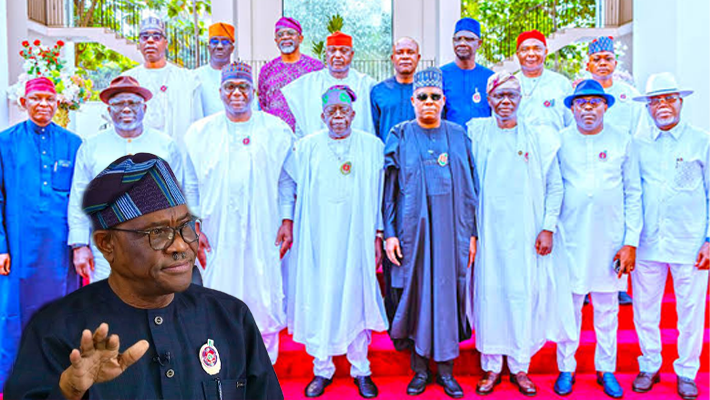
I support Tinubu’s re-election; didn’t pledge PDP won’t field candidates in 2027, Wike replies APC governors
The minister insisted the rainbow coalition had nothing to do with the APC.

Hot news Home top
Canada issues fresh 188 removal orders, deports 111 migrants for organised crime, extortion
The statement noted that CBSA was currently removing approximately 400 inadmissible individuals every week.
World
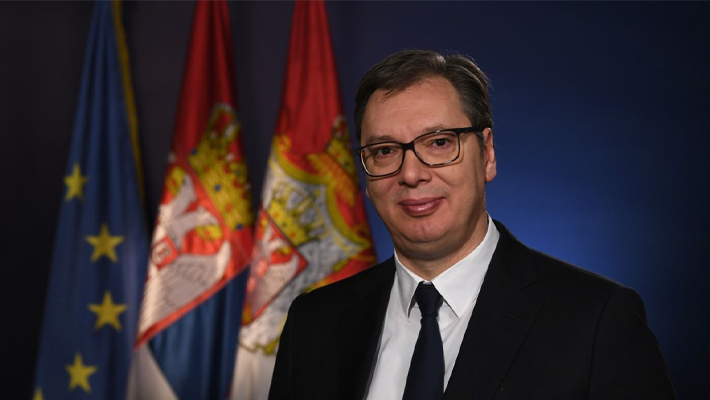
Vucic resigns as Serbian president September 27
Mr Vucic said he would run for prime minister as an ordinary citizen.

Economy
Gov Sule begs ASUU to end strike, promises to pay salary arrears
Nasarawa government has appealed to the Academic Staff Union of Universities, Nasarawa State University, Keffi, to call off its strike.
Health
Gates Foundation commits $1 billion to equitable AI for health, education, agriculture
The Gates Foundation has announced plans to invest at least $1 billion over the next two years to expand access to AI.

Economy
Venture expert urges unified regulation to unlock Nigeria’s innovation potential
A venture capitalist has identified fragmented regulation and weak implementation as major bottlenecks preventing Nigerian innovations from moving beyond the development stage.


