

Nigeria’s economy under Buhari worse than 10 years ago: World Bank
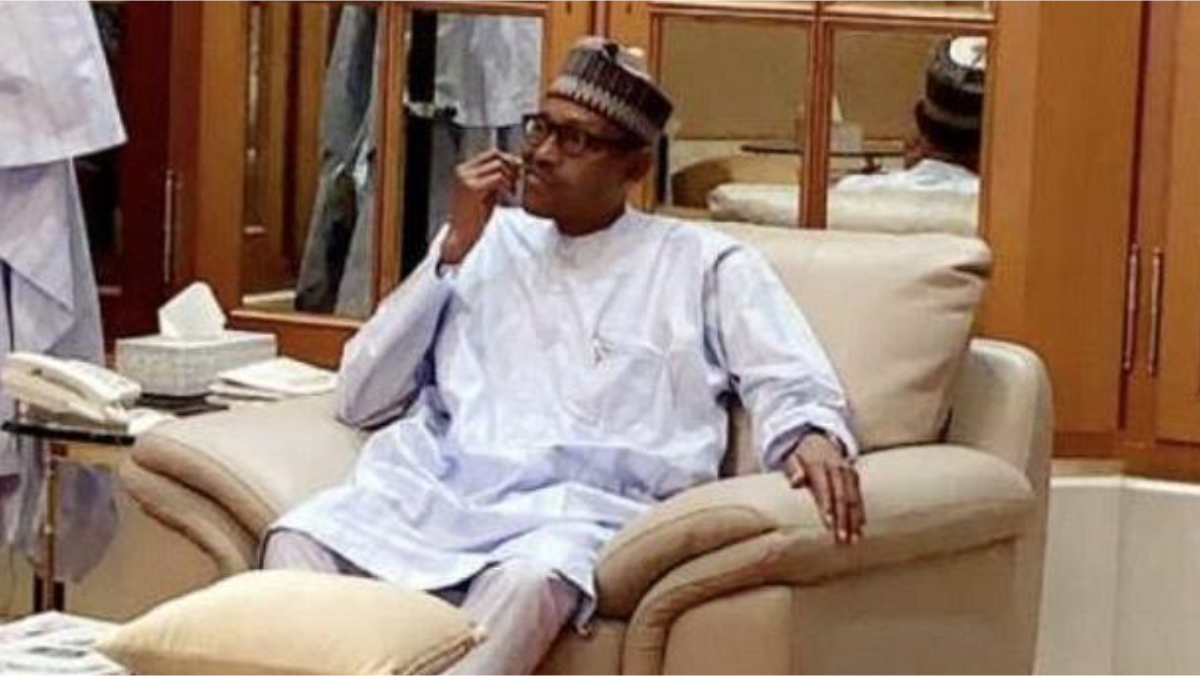
The World Bank has again noted that Nigeria’s economy under the Muhammadu Buhari administration is worse than 10 years ago.
These findings are contained in its flagship report for 2022, titled ‘Global Economic prospect’.
“The pandemic has reversed at least a decade of gains in per capita income in some countries—in almost a third of the region’s economies, including Angola, Nigeria, and South Africa, per capita incomes are forecast to be lower in 2022 than a decade ago,” the report said.
The report added that the hike in food prices could amplify the negative impact of increased poverty on economic growth, noting nearly 110 million people in countries like Nigeria, the Democratic Republic of Congo, Ethiopia, and South Sudan had been in situations characterised by food crises.
The report also mentioned that disruptions to the supply chains or armed conflicts could contribute to surges in food prices, leaving vulnerable groups suffering the most.
“Further rise in food prices would squeeze households’ purchasing power and erode consumer confidence, causing more subdued growth and hindering poverty reduction,” the report stressed.
The findings from the global bank corroborate a study published by the Economic Community of West African States (ECOWAS), which revealed that many people living on less than $1.90 a day had jumped from 2.3 per cent to 2.9 per cent in 2021, and the debt burden of countries increased amid slow economic recovery, shrinking fiscal space and weak resource mobilisation.
Last year, the global bank had heavily criticised Mr Buhari’s fiscal policies, noting the negative effect of Nigeria’s Central Bank exchange rate policies on investments and fuel inflation.
However, the World Bank predicts that Nigeria’s economy will grow by 2.5 per cent in 2022, as it will benefit from an increase in oil prices, a gradual easing of the Organisation of the Petroleum Exporting Countries (OPEC) production cuts, and other domestic regulatory reforms.

We have recently deactivated our website's comment provider in favour of other channels of distribution and commentary. We encourage you to join the conversation on our stories via our Facebook, Twitter and other social media pages.

More from Peoples Gazette

States
Independence: NBA urges Nigerians to expect better future
The NBA said that ordinary Nigerians should be deriving benefit from the subsidy removal rather than hardship.

Agriculture
FG tasks ECOWAS on leveraging financing strategies for agroecology
The federal government has urged stakeholders in the agriculture and finance sectors in the West Africa region to leverage financing strategies to enhance agroecology practices

Politics
Katsina youths pledge to deliver over 2 million votes to Atiku
“Katsina State is Atiku’s political base because it is his second home.”

States
Army commander visits 97 infantry battalion, seeks community support
The commander, 3 Brigade, Nigerian Army, Saka Jimoh, has assessed the operational readiness of the newly established 97 Infantry Battalion in Samaru Kataf, Kaduna.

States
Kano: Police arrest suspect, recover stolen vehicle
The police said they recovered the vehicle, a 2014 model, stolen on October 2 in Karkasara, Tarauni council area.

Anti-Corruption
Court jails Bercor Global manager 18 months for stealing N5.6 million
A Kaduna Magistrate Court on Thursday sentenced 54-year-old manager Amos Ferdinand to 18 months’ imprisonment for stealing N5.6 million belonging to his employer.

Politics
Ebola: APC, ADC, NDC, other parties should campaign virtually, lab scientists say
The Association of Medical Laboratory Scientists of Nigeria has advised political parties to campaign virtually to minimise physical contact amid the Ebola case recorded in Abuja.

Politics
Former deputy governors seek electoral reforms, more women in governance
The forum urged the federal government to establish inclusive governance structures through gender quotas.
Health
Ebola: NOA warns against self-medication
The National Orientation Agency has cautioned Kaduna residents against self-medication following the confirmation of an Ebola case in Abuja.


