

Poverty in Nigeria, other West African nations rose by 3%: Report
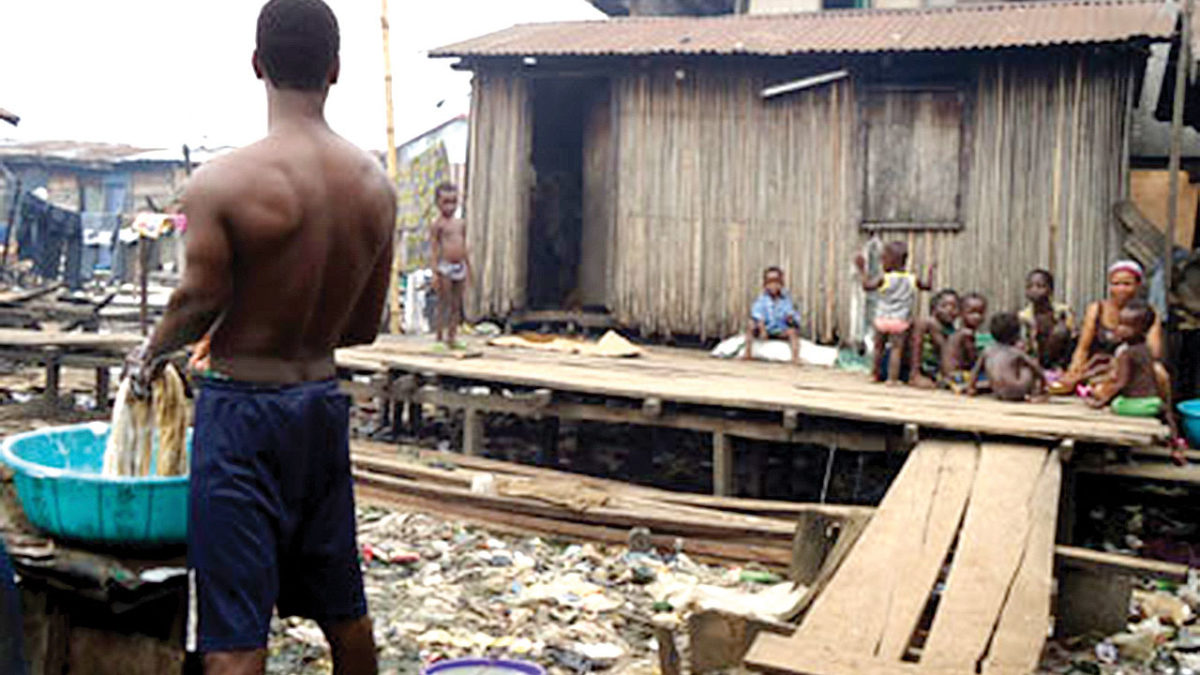
Extreme poverty in West Africa rose by nearly three per cent in 2020, another fallout from the COVID-19 pandemic, a UN-backed report launched on Thursday that looks at the socio-impact of the crisis has revealed.
The proportion of people living on less than $1.90 a day jumped from 2.3 per cent to 2.9 per cent in 2021, while the debt burden of countries increased amid slow economic recovery, shrinking fiscal space and weak resource mobilisation.
More than 25 million across the region are struggling to meet their basic food needs.
The study was published by the Economic Community of West African States (ECOWAS), in partnership with the West Africa Sub-Regional Office for the UN Economic Commission for Africa (UNECA) and the World Food Programme (WFP).
Sekou Sangare, ECOWAS Commissioner for Agriculture, Environment and Water Resources, said the pandemic has, in particular, annihilated benefits gained in fighting food insecurity and malnutrition.
“Even if we are happy with the governments’ response through the mitigation actions they have taken, we have to worry about the residual effects of the health and economic crisis as they are likely to continue disturbing our food systems for a long time while compromising populations access to food, due to multiple factors,” he said.
The report highlighted the effects of measures to prevent coronavirus spread, such as border closures, movement restrictions and disruption of supply chains.
These measures impacted income-generating activities and food prices in markets, with small traders, street vendors, and casual workers most affected.
The deteriorating economic situation has adversely affected food security and nutrition in West Africa.
More than 25 million people cannot meet their basic food needs, a nearly 35 per cent increase compared to 2020. People have been forced to sell their assets and livelihoods to get enough to eat.
The situation is most severe in those areas affected by conflicts, such as the Lake Chad Basin region, the Sahel, and the Liptako-Gourma region, which borders Burkina Faso, Mali and Niger.
The partners hope the report will encourage public and private responses to address the pandemic’s negative impacts on the people of West Africa.
Chris Nikoi, WFP’s Regional Director for West Africa, underscored the need for immediate and concerted action.
“This report clearly shows the urgent need for governments and partners to deliberately increase investments to strengthen and increase social protection programmes, social safety-nets such as school meals, and other livelihoods-enhancing programmes with particular emphasis on women and youth,” he said.
The Director of the ECA’s Sub-Regional Office, Ngone Diop, pointed to one of the strengths of the partnership, namely the ability to carry out an online survey that mobilised nearly 8,000 respondents.
She said, “Basing our analyses on primary, first-hand data from households directly impacted by the health crisis makes it possible to offer decision-makers at the regional and national levels with relevant and better-targeted policy options.”
Since the pandemic outbreak nearly three years ago, ECOWAS and its partners have implemented several economic and financial measures to respond to the increasing needs in the region.
ECOWAS member states, with support from WFP and other technical partners, have also expanded social protection programmes and food distributions for the most vulnerable communities.
For example, In Mali and Niger, they support some 1.4 million people and help to strengthen national social protection systems.
(NAN)

We have recently deactivated our website's comment provider in favour of other channels of distribution and commentary. We encourage you to join the conversation on our stories via our Facebook, Twitter and other social media pages.

More from Peoples Gazette

States
Independence: NBA urges Nigerians to expect better future
The NBA said that ordinary Nigerians should be deriving benefit from the subsidy removal rather than hardship.

Agriculture
FG tasks ECOWAS on leveraging financing strategies for agroecology
The federal government has urged stakeholders in the agriculture and finance sectors in the West Africa region to leverage financing strategies to enhance agroecology practices

Politics
Katsina youths pledge to deliver over 2 million votes to Atiku
“Katsina State is Atiku’s political base because it is his second home.”

Sport
2027 AFCON Qualifier: Guinea-Bissau beat Madagascar, extend lead over Nigeria in Group L
Guinea-Bissau now have 10 points, Nigeria seven points, while Madagascar and Tanzania have two points each.
Africa
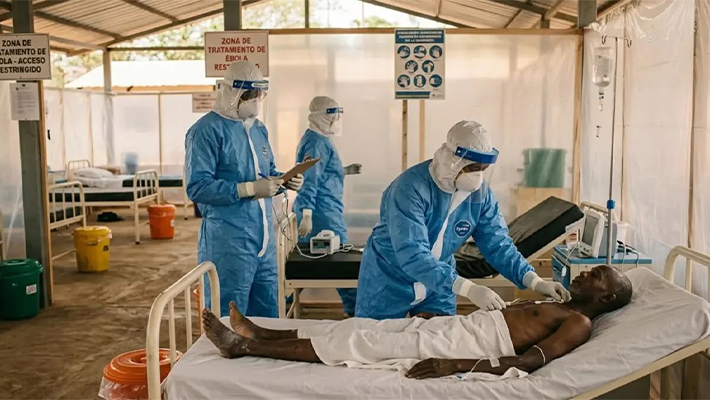
WHO raises concern over rising Bundibugyo Ebola deaths, insecurity in DR Congo
Mr Ghebreyesus said the outbreak, declared six months ago, had spread across 67 health zones in eight provinces in the DR Congo.

Africa
Afreximbank urges industries to boost intra-African trade as alternative to China in global markets
“As global markets look to diversify production beyond China, Africa must position itself as a natural partner of choice,” Mr Maayergi said.

World
Russell Brand faces probe over prison message to supporters
Mr Brand was convicted at Southwark Crown Court of one count of rape and three counts of sexual assault.
Politics
Tinubu admits cost-of-living crisis after APC dismissed widespread hunger claims
According to Mr Tinubu, the 2027 election is about the country’s future and direction.

World
WHO pushes for stronger vaccination, screening, treatment to eliminate cervical cancer
WHO said that expanding HPV vaccination, improving screening access, and ensuring timely treatment are critical to protecting women.


