

Nigeria at Golgotha, crucified by betrayal

They came to a place called Golgotha, the Place of the Skull. That biblical hill outside Jerusalem was a grim landscape of death. There, condemned souls were nailed to wood, stripped of dignity, mocked by jeering crowds, and left to die slowly under the sun. It wasn’t a place for pleasure. It was a place of pain. A place where silence bore witness to suffering, and where skulls told stories of cruelty and human despair. Today, our country lies on that hill. Crucified. Citizens are not only imagining Golgotha, they are living it. Our country, once filled with promise, now hangs between hope and hopelessness. Its frame is fastened to a pike of betrayal, pierced by the spears of bad leadership, nepotism, ethnicity, greed, and misrule. Everywhere, the signs are unmistakable: a country in decay; a republic in distress.
It was my good friend, the indefatigable Osadolor Okunkpolor, lawyer, patriot, and champion of the rule of law, who first offered the metaphor on a WhatsApp group we both belong to, Market Place of Ideas: “Little by little,” he wrote, “we are gradually leading the country to both economic and political Golgotha in the name of being loyal to our preferred political parties and tribesmen.” He was right. Dead right. I replied to him in affirmation: “Our country is already at Golgotha; crucified by the sins of its rulers, its frame stretched and nailed to the pike of betrayal. Like the condemned thief, it hangs between promise and perdition, mocked by the passersby of history.” This is no exaggeration.
It is the truth; hard, bitter, and difficult to swallow. Look around. Everywhere you turn in our country, something is dying. The economy has limped south. Prices soar beyond the reach of ordinary men and women. The poor can no longer eat. The middle class, once a fragile cushion, is vanishing. Families are tanking, with no hope in sight. The streets are filled with angry young people, tired of surviving. Jobs are scarce. Hope is rarer.
The naira is in a free fall. “Fuel subsidy is gone”, as President Tinubu unfortunately put it on 29th May, 2023. But in its place? Nothing but hardships. Public transportation, where it exists, is unaffordable. Electricity tariffs have risen. Food prices are rising faster than wages. And there is no end in sight. Citizens are told to tighten their belts, even as the political elite loosen theirs to gorge themselves at the national banquets. The national economy merely exists as embellished prose on glossy policy papers crafted by those who spin lies to blur truths that even the blind can feel. What they parade as economic progress is, in reality, a carefully engineered poverty.
A fiction of figures. A deception of graphs and statistics. A betrayal in spreadsheets. No more. No less. The wounds they inflict upon the citizens defy belief. They appear on national television, excoriating those who draw attention to their deep, inhumane and deliberate acts that are delivered without remorse. Theirs is cruelty wrapped in policy, suffering masked as reform. Each act of governance leaves behind bleeding wounds that no balm can soothe. Citizens are being crucified on crosses they had no hand in making. A case of classical crucifixion of citizens.
Our country’s politics is another crucifixion. Elections are no longer the will of the citizens. They are the will of the courts, as Chidi Odinkalu brilliantly described it in his recently released book, ‘The Selectorate: When Judges Topple the People’. Political power is seized, not earned. The ballot is stolen in the way that Tinubu described it: “Snatch it, grab it and run with it”. Confidence in democracy is fading. Our country is today ruled by men and women who fear the people and flatter their godfathers.
Institutions have become tools in the hands of rulers that are deployed to silence, not to serve. The judiciary, once the last hope of the common man, now “wobbles and fumbles”, to borrow the phrase from Fanny Amun, under the weight of compromise. Lady Justice is no longer blind. Her blindfold has slipped. Perhaps, torn off and revealing eyes that scan for influence and favour. Guided by vested interests, she partakes in barefaced judicial heists, her scales tipped by power, not principle.
Our country has drifted from the malnourished promise of a kwashiorkor democracy into the firm grip of an oligarchy where courts no longer dispense justice but serve the whims of cabals. The rule of convenience has replaced the rule of law. And the temple of justice now echoes with the footsteps of merchants, not incorruptible judges. Even within the Executive branch, the convenience of interest trumps law and common sense.
Just this past weekend, Peoples Gazette carried a sombre report that ought to trouble every conscientious citizen. The paper reported that Bayo Ojulari, the chief executive officer of the NNPC, was compelled, some say coerced, into resigning his position. And by whom? Not by the board or oversight institutions, but by the EFCC, a law enforcement agency ostensibly tasked with combating crime.
Strangely, there is no indication that Mr. Ojulari was guilty of any wrongdoing. What seemed to be at play, rather, was the heavy hand of vested interests. The affair bore all the absurdity of a Kafkaesque trial where guilt is presumed and the machinery of state grinds forward without clear cause. As if pulled from the pages of The Trial, Ojulari surfaced hours later with a denial cloaked in irony: that he was not arm-twisted, but had left of his own free will. And then, almost in theatrical protest, he added: “If I were going to stage a dramatic exit, I’d at least make sure it came with a soundtrack and better lighting”. In that sardonic quip lies the tragedy of our times: power no longer bothers with explanation, and dignity is left to deliver its final lines in the language of theatre.
Our country is bleeding in every corner. In the north, bandits sack towns and collect taxes. In the south, kidnappers, cultists and criminals terrorise communities. In the Middle Belt, entire villages are being wiped out overnight. And in the southeast, self-styled freedom fighters turn their guns on citizens they claim to defend. Everywhere, insecurity thrives. The nation-state has retreated. Citizens have been abandoned. The police are afraid of criminals. The army is overstretched. And the government? It issues statements.
Death has become the new normal. Kidnapping is an industry. Ransom has become a booming enterprise, flourishing in the fertile soil of state failure. The government’s irresponsibility is the free license that grants criminals the ease of doing business. Where the nation-state retreats, predators advance. And in this marketplace of blood and fear, human lives are bartered, while those elected to protect them look away. And the government’s silence is complicity.
The ease with which crime thrives in our country today is a direct indictment of the state’s failure to police itself and protect its citizens. It is the clearest expression of what happens when a country abandons its constitutional responsibilities, even as it parades the illusion of sovereignty. Take the menace of the so-called one-chance syndicates, criminals operating in plain sight under the guise of commercial taxi drivers.
In Abuja, a city that ought to symbolise order and federal authority, these criminals roam freely. Citizens who innocently board taxis in broad daylight either vanish without a trace or are found later, broken, brutalised, or lifeless on the roadside. Freda Arnong was one such victim. She boarded what appeared to be an ordinary taxi, as thousands do daily in the Federal Capital Territory.
But for Freda, that short journey became a descent into horror. She was assaulted, physically and viciously, her body a canvas of cruelty, by the time she was dumped, barely alive, on the outskirts of the city. She later died from her injuries. Her story is not unique. It is the unspoken reality of countless citizens who fall prey to violence in a country that claims, on paper, that “the security and welfare of the people shall be the primary purpose of government”. This constitutional imprimatur now reads like satire. Citizens now live in a country where danger hides in plain sight. Where criminals operate more freely than the citizens they prey upon. Where insecurity is no longer episodic but routine. Where the streets are not just unsafe, but haunted by the silence of a state that no longer acts, only reacts.
Freda’s fate is not just a personal tragedy; it is a national indictment. It is a mirror held up to a government that has abandoned its moral and constitutional duty. It is a commentary on the erosion of public trust and the slow, grinding death of public safety. When the state fails to protect its citizens, it strips them of one of the most basic dignities of nationhood: the right to exist in safety. In that moment, the social contract collapses. Citizens become orphans of the state. Victims like Freda become collateral damage in a republic that has lost its soul.
Our country did not just fail Freda. It happened to her, violently and fatally. Just as it has happened to many before her. And just as it continues to happen every day, in every corner of this land. Fellow citizens mourn her. I mourn them all. And in our mourning, the question has to be asked: what kind of country watches its citizens disappear into taxis and emerge as corpses and yet calls itself a country? May Freda’s soul, and the souls of all who have suffered her fate, rest in peace. But may their stories disturb our peace until justice becomes more than a word, and security becomes more than a promise.
How did our country get to this point?
It got here because our unfortunate rulers abandoned duty for indulgence. It got here because it allowed lies to trump truths. It got here because it worshipped strongmen, not strong institutions. It got here because it sold its voice for a pittance. It got here because citizens chose silence over protest, and fear over courage. It got here because loyalty to the party became more important than loyalty to the country. It got here because justice was delayed, denied, and ultimately sold. Our country and its citizens are guilty. Some as actors. Many as cowards, onlookers, bystanders and fence-sitters.
So yes, our country is at Golgotha; though, not dead, but it is hanging on the crucifix. Hanging by the nails of betrayal. Mocked by those it once carried in its bosom. Looted by those who pledged to serve it. And watched over by indifferent citizens who no longer believe in resurrection.
Golgotha wasn’t just a place of execution. It was also a place of decision. One thief chose humility and redemption. The other, defiance and condemnation. So it is with our country and its citizens today. Our country stands at the moment of decision. Every citizen must either choose to descend from this hill of death or die on it.
But the resurrection and redemption of our country must begin with courage. Courage to speak. Courage to act. Courage to vote right. Courage to hold our rulers accountable. Courage to refuse perfidious temptations. Courage to build institutions that outlive strongmen. Courage to confront the culture of impunity. Courage to hope again. But courage alone is not enough. There must be justice. Justice for the poor, who suffer every day. Justice for the young, whose futures have been mortgaged. Justice for the dead, whose blood stains our soil. Justice for the land, pillaged and profaned. Without justice, Golgotha remains just another hill of skulls.
I end where I began.
Golgotha is not a metaphor anymore. It is our lived reality. But, history teaches us something vital: crucifixion is not the end. There is always the chance of a third day. A dawn. A rising. But that day doesn’t come by praying. It comes by doing. If citizens want to reclaim their country from the pike it hangs on, they must be ready to confront its murderers of the Republic. They must end the reign of betrayal. They must demand a government that serves, not rules. They must make their country livable again. Every small step pushes the wheel of progress forward. Tiny as it may appear, each act shifts the weight. Oshobey! Hey!! In the slow grind of change, it is these quiet and steady shifts that gather into momentum until the cross of Golgotha is brought down.
Our country can rise. But only if citizens first remove the nails.
And bury Golgotha.
Abdul Mahmud is a human rights attorney in Abuja

We have recently deactivated our website's comment provider in favour of other channels of distribution and commentary. We encourage you to join the conversation on our stories via our Facebook, Twitter and other social media pages.

More from Peoples Gazette

States
Independence: NBA urges Nigerians to expect better future
The NBA said that ordinary Nigerians should be deriving benefit from the subsidy removal rather than hardship.

Agriculture
FG tasks ECOWAS on leveraging financing strategies for agroecology
The federal government has urged stakeholders in the agriculture and finance sectors in the West Africa region to leverage financing strategies to enhance agroecology practices

Politics
Katsina youths pledge to deliver over 2 million votes to Atiku
“Katsina State is Atiku’s political base because it is his second home.”
Faith
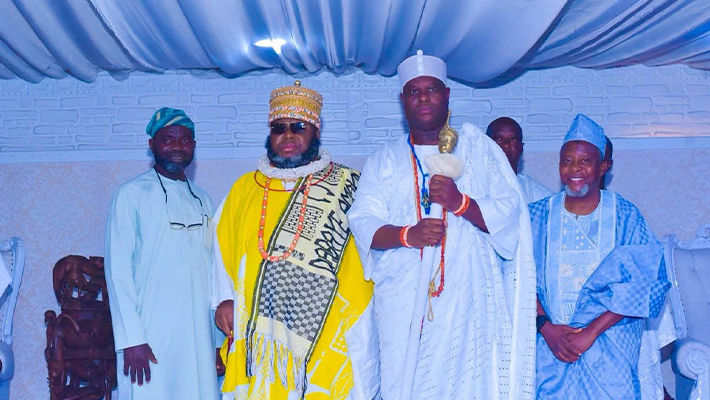
Asari Dokubo visits Ooni, invites monarch to his December coronation in Rivers
The monarch appreciated Mr Dokubo for the visit.

Hot news Home top
Tinubu’s panic ahead of 2027 can’t erase APC terrible record: ADC
The council said, “Bola made life expensive; Atiku will make Nigeria affordable again!”

World
Turkey cautions against renewed attack on Iran, seeks dialogue
Mr Fidan said, “We are all in agreement that a new attack on Iran would expand the war in the region.
Heading 2
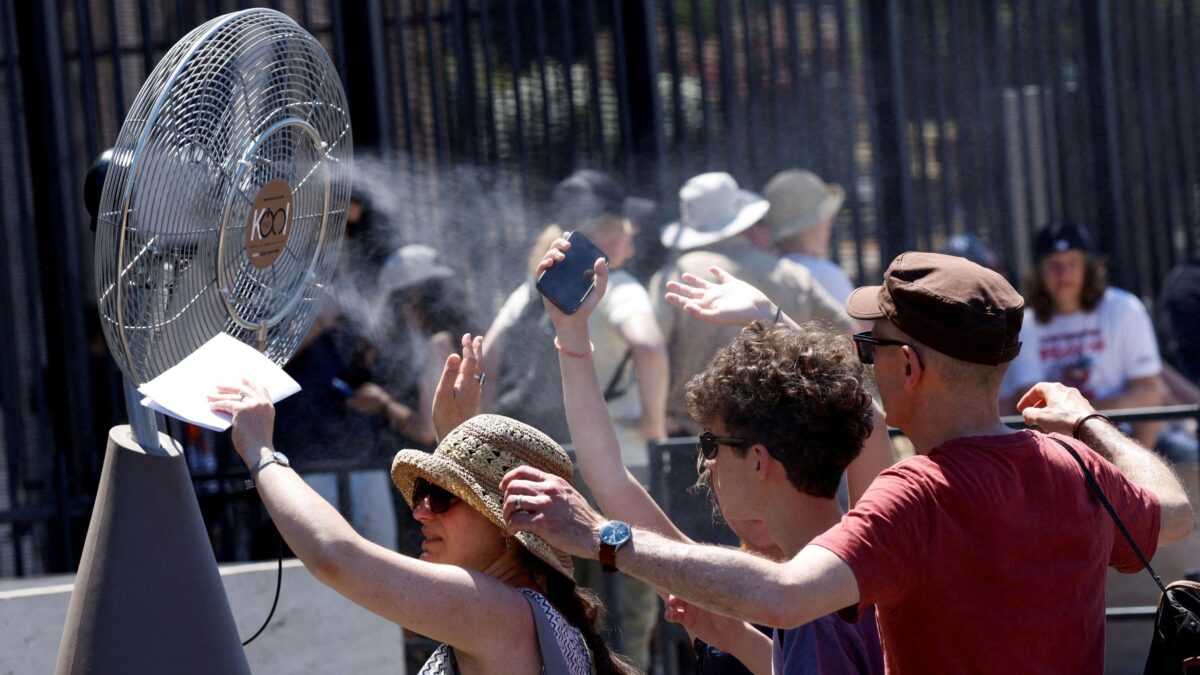
50,000 people died of summer heatwaves in Europe, says Imperial College
The report noted that the highest mortality was estimated among individuals aged 85 years or older.

NationWide
ARCON honours advertising industry veterans, brands
Mr Adebayo said the selection process included nominations, eligibility screening, technical assessment, public voting, jury review and final ratification.
Heading 4
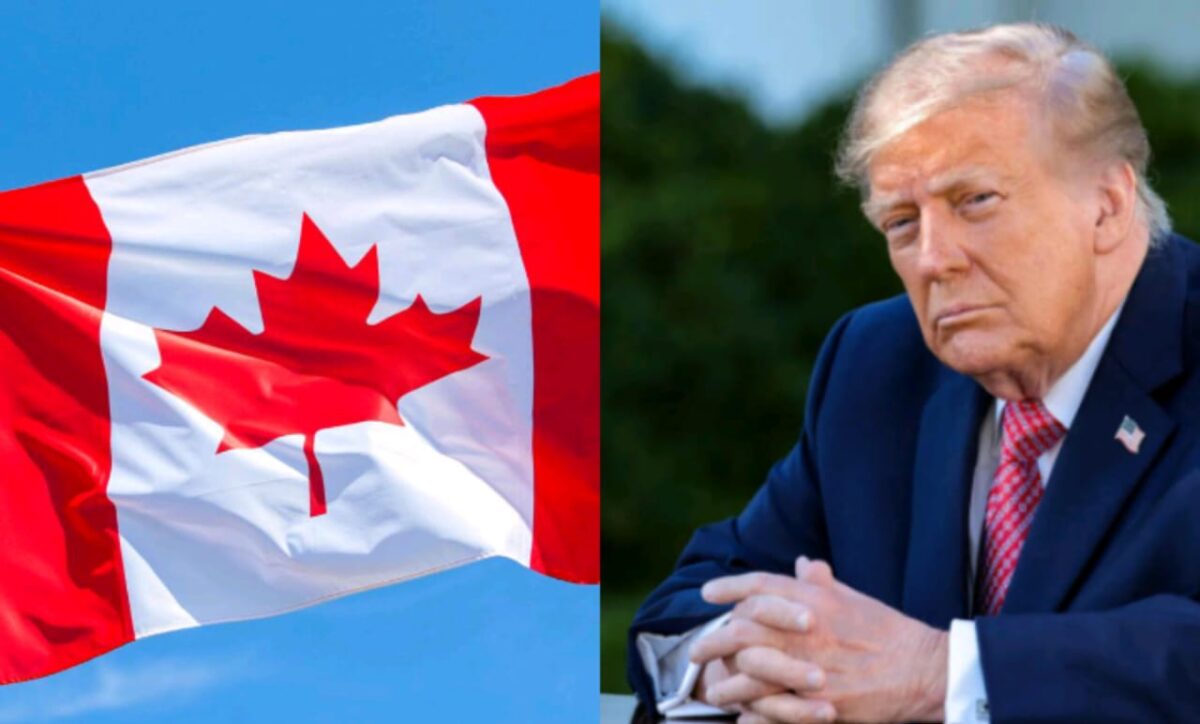
Trump lifts 50% tariffs on Canadian goods ahead of U.S. midterms elections
A Republican candidate in a key Senate race,Susan Collins, said she lobbied for the removal of tariffs on Canadian products.


