

Africa’s oil elite wants continent’s resources; AEC says they shouldn’t get Africa too

The African Energy Chamber has turned the coming Africa Energies Summit 2026 into something its organisers probably did not bargain for: a public referendum on race, access and the old habit of using Africa as content while shutting Africans out of power. In a statement issued on Wednesday, the AEC called for an industry-wide boycott of the London summit, accusing the organisers of refusing to hire Black professionals while continuing to market the event as a premier platform for African energy investment. The summit’s own materials say it will be held in London on May 12-14.
That is not a small accusation, and it is not coming from the margins. The AEC, led by NJ Ayuk, is not merely complaining about one company’s recruitment choices. It is saying a lucrative industry built around African oil, African gas, African officials, and African deal flow cannot keep treating Africans as the backdrop while others control the platform. The AEC’s February 11 statement had already warned that “Africa’s energy future cannot be built on exclusion”.
By March 11, that warning had become a direct call for the industry to boycott the summit altogether.
The deeper problem the AEC is trying to expose is one Africa knows too well: the continent is welcome when its acreage is being sold, when its ministers are needed on stage and when its governments are expected to bless transactions, but African participation often becomes negotiable once the real levers of influence come into view.
The Africa Energies Summit sells itself as a high-level meeting point for investors, governments, IOCs, NOCs, independents and service companies. Its event pages repeatedly advertise London as the place where Africa’s upstream industry gathers to “connect, collaborate and get deals done”.
That commercial promise is exactly why the boycott call has landed with force.
In ordinary industry language, this would be dismissed as a “reputational issue”. But that phrase is too soft for what is being alleged. The AEC is effectively saying the summit’s organisers want African legitimacy without African equality.
That is why Ayuk has linked the dispute to local content, a term usually reserved for procurement, workforce participation and indigenous business development. His argument is that local content should not stop at oilfields and service contracts; it should also apply to the conference economy and networking circuit that profit from packaging Africa’s energy story for foreign capital.
That line of attack is politically dangerous because it does not stop with the organisers. It reaches ministers, regulators, state oil executives and corporate sponsors who intend to attend. The AEC’s position is that African officials cannot preach indigenous participation at home and then lend prestige to a summit accused of excluding Black professionals behind the scenes.
Once the boycott call is framed that way, attendance is no longer just another overseas conference trip. It becomes a statement about what African elites are willing to overlook when the room is exclusive enough.
The event itself is not pretending to be a side show. Its official pages call it the ninth edition of the summit and promote it as a premium, senior-level gathering for companies active across the continent. Frontier-linked pages highlight a growing delegate list and invite attendees to London for what they describe as a major convening of Africa’s upstream decision-makers. Put plainly, this is one of the industry’s marketplaces for access. And that is what makes the boycott campaign more than activist noise: it is aimed at a platform where influence is traded, not just opinions exchanged.
There is another layer to this that should not be ignored. For years, African governments have been told to improve local content rules, grow indigenous service companies and make more room for African executives. The AEC is now throwing that same language back at the international business class that makes money from Africa’s energy narrative. Its message is blunt: if Africa must localise opportunity, then Africa-facing platforms must localise power too. Not in brochures. Not in token partnerships. In actual jobs, authority and institutional control.
That is the real significance of this boycott call.
As of the public materials I reviewed, the summit’s website continues to market tickets, visas, speakers and sponsors for the May event, and a February update said the 2026 summit was building momentum with a growing delegate list. I did not find a public response on those event pages that directly addressed the AEC’s allegations or laid out a clear rebuttal to the boycott campaign.
That silence matters. In political and commercial fights, unanswered accusations often harden into public memory.
That is why this story now reaches beyond one conference in London. It touches a larger African frustration with elite global business rituals in which the continent is heavily marketed but lightly empowered.
The AEC’s intervention is an attempt to raise the cost of that arrangement. It is saying Africans should not keep showing up merely as sponsors, speakers, delegates and investment targets while others dominate the structures that turn Africa into a business proposition. Whether the boycott gathers real momentum or not, that grievance is now out in the open.
For the summit’s organisers, the issue is no longer whether they can fill a ballroom in May. It is whether a platform claiming to champion Africa’s energy future can survive a public charge that Africans are welcome in the pitch but not in the institution. For the AEC, the answer is already clear: Africa is no longer prepared to be invited only as scenery.

We have recently deactivated our website's comment provider in favour of other channels of distribution and commentary. We encourage you to join the conversation on our stories via our Facebook, Twitter and other social media pages.

More from Peoples Gazette

States
Independence: NBA urges Nigerians to expect better future
The NBA said that ordinary Nigerians should be deriving benefit from the subsidy removal rather than hardship.

Agriculture
FG tasks ECOWAS on leveraging financing strategies for agroecology
The federal government has urged stakeholders in the agriculture and finance sectors in the West Africa region to leverage financing strategies to enhance agroecology practices

Politics
Katsina youths pledge to deliver over 2 million votes to Atiku
“Katsina State is Atiku’s political base because it is his second home.”
Health
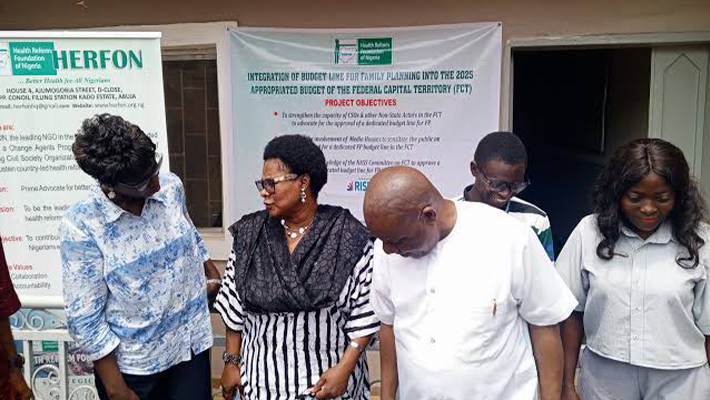
HERFON to unveil two-volume book on non-communicable diseases
HERFON says it will unveil a two-volume book on non-communicable diseases on October 15 in Abuja, alongside free health screening for participants.
World
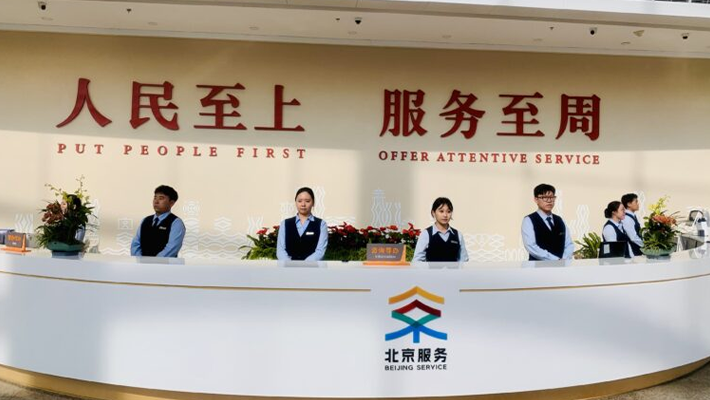
Beijing’s 12345 hotline sets pace in citizen-centred urban governance
Beijing 12345 Hotline Citizen Service Centre is emerging as a model of technology-driven urban governance, placing residents’ needs at the centre of public service delivery.
Anti-Corruption
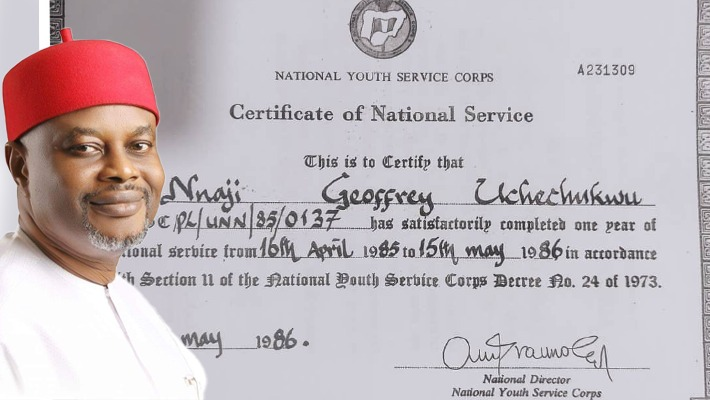
Uche Nnaji drops forged NYSC certificate, submits only WAEC result to INEC for governorship election
Mr Nnaji’s corruption trial will resume on October 26 as the ICPC seeks his conviction for forging his NYSC and UNN degree certificates.
Opinion
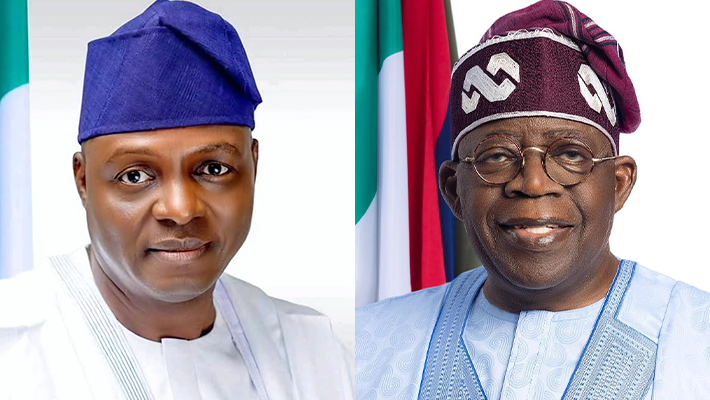
Abdul Mahmud: When the ruling party needs guns to win election
No president should need an AK-47 to win an election, and no ruling party should need the threat of one to persuade Nigerians to vote for its candidate.

World
Heavy social media use linked to lower life ratings among youths in 16 countries: Gallup
“What stands out is that moderate social media use for adults is associated with better outcomes on many wellbeing measures,” said Gallup chief.
States
Sokoto govt donates N38 million, grains to families of fallen heroes
The Sokoto government donated N38.25 million and bags of grains to the families of 24 fallen soldiers and 57 injured personnel in recognition of their sacrifices in service.


