

Bangladesh, Kyrgyzstan, others also banned cryptos: CBN
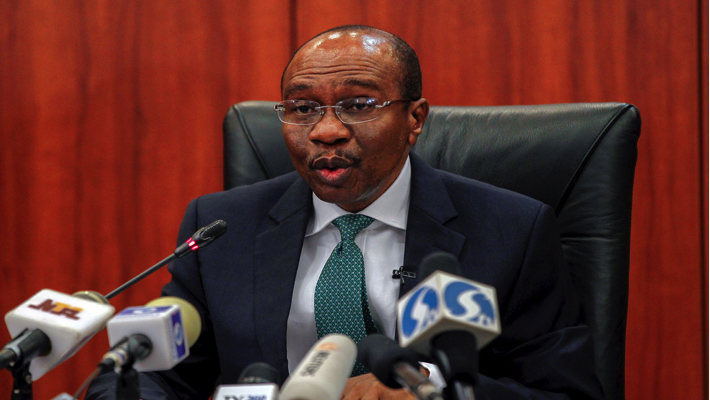
The Central Bank of Nigeria on Sunday said it followed in the footsteps of Bangladesh, Kyrgyzstan and other counties to impose outright restrictions on trading cryptocurrencies and other related transactions in Nigeria.
CBN’s spokesman Osita Nwanisobi said cryptocurrencies were issued by ‘unregulated and unlicensed entities’ that many countries are now moving to check before suffering its adverse effects.
Peoples Gazette had earlier reported how the Nigerian bankers regulator ordered banks, non-bank financial institutions and other financial institutions to “identify persons and/or entities transacting in or operating cryptocurrency exchanges within their systems and ensure that such accounts are closed immediately.
Doubling on its decision following an uproar from Nigerians, the financial sector regulator argued that the use of cryptocurrencies in Nigeria contravenes the key mandate of CBN as provided in the CBN act (2007).
The Nigerian bank regulators in the statement highlighted the critical difference between cryptocurrencies and digital currencies.
“There is a critical difference between a Central Bank issued digital currency and cryptocurrencies,” Mr. Nwasinobi said. “As the name implies, while central bank issues digital currencies, cryptocurrencies are issued by unknown and unregulated entities.”
The CBN also explained that the sponsors and users value “anonymity, obscurity, and concealment, raising questions on the legality of the currencies.
“It is on the basis of this opacity that cryptocurrencies have become well suited for conducting many illegal activities including money laundering, terrorism financing, purchase of small arms and light weapons and tax evasion,” Mr. Nwasinobi added.
The regulator also said its decision was not in any way inimical to the development of FinTech or technology-driven payment solutions.
CBN also stated that it is not the first to place restrictions on the trading of cryptocurrencies in the country as China, Canada, Taiwan, Indonesia, Algeria, Egypt, Morocco, Bolivia, Kyrgyzstan, Ecuador, Saudi Arabia, Jordan, Iran, Bangladesh, Nepal and Cambodia have all placed certain level of restrictions on financial institutions facilitating cryptocurrency transactions.
The CBN has long taken a hardline position against cryptocurrencies, which have become a major unit of commerce across the world in recent years.
In 2017, CBN said it would not licence cryptocurrencies such as Bitcoin, Ripples, Monero, Litecoin, Dogecoin, Onecoin, amongst others, and any transactions conducted through them would not have the protection of the Nigerian law.
But after noticing that the crypto markets have expanded despite its 2017 directive, the bank decided to impose an outright ban against crypto use by all financial institutions in Nigeria.

We have recently deactivated our website's comment provider in favour of other channels of distribution and commentary. We encourage you to join the conversation on our stories via our Facebook, Twitter and other social media pages.

More from Peoples Gazette

States
Independence: NBA urges Nigerians to expect better future
The NBA said that ordinary Nigerians should be deriving benefit from the subsidy removal rather than hardship.

Agriculture
FG tasks ECOWAS on leveraging financing strategies for agroecology
The federal government has urged stakeholders in the agriculture and finance sectors in the West Africa region to leverage financing strategies to enhance agroecology practices

Politics
Katsina youths pledge to deliver over 2 million votes to Atiku
“Katsina State is Atiku’s political base because it is his second home.”
Uncategorized
TCN restores Kainji-Birnin Kebbi 330kV transmission line
The company said power went off in the affected areas on September 7.
States
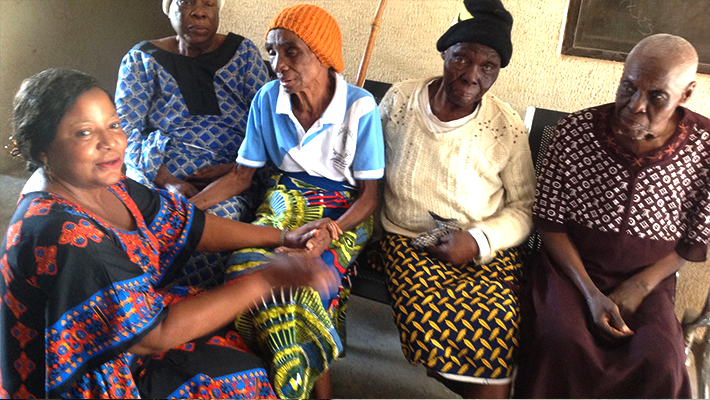
Group seeks better healthcare, social support for elderly Nigerians
Mr Oluwadamilare said growing old in Nigeria was becoming increasingly difficult due to economic hardship.
States
INEC urges Sokoto voters to maintain confidence in electoral process
INEC reminded registered voters that collection of Permanent Voter Cards (PVCs) would begin on October 9.
States
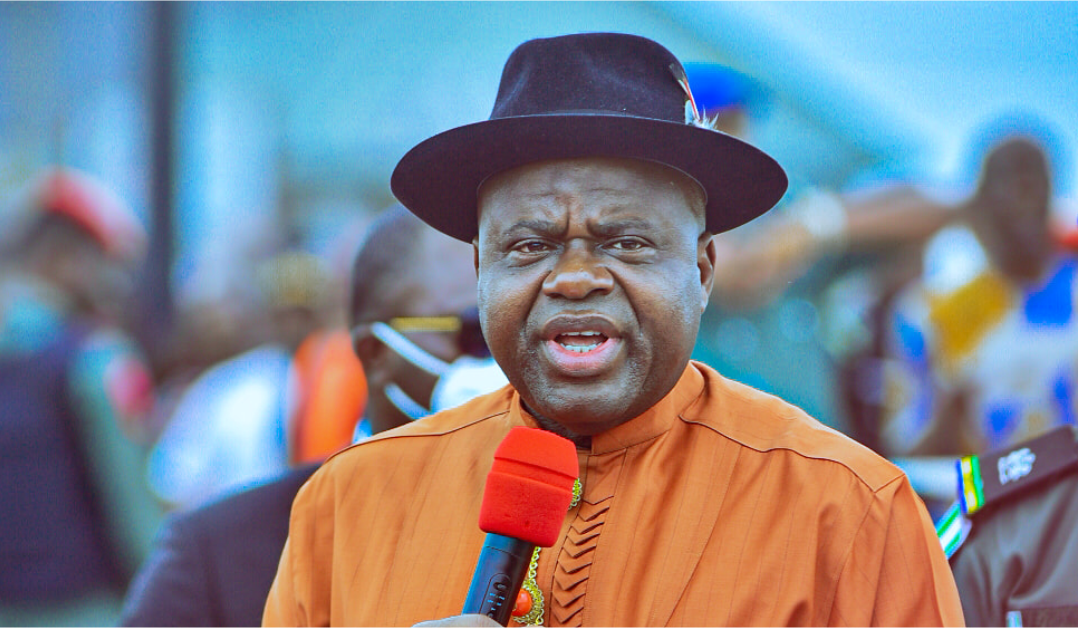
Bayelsa governor urges Nigerians to renew commitment to unity, development
The governor congratulated the people of Bayelsa at home and abroad.
NationWide
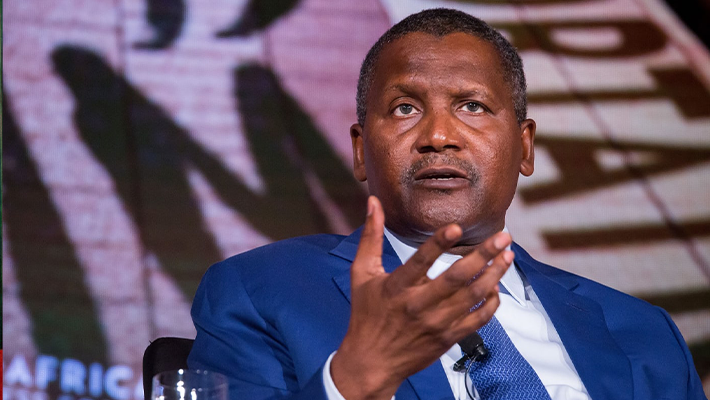
Dangote Foundation gives Nigerian students free shares to build new generation of investors
The initiative forms part of ADF’s broader commitment to empowering young Nigerians.

States
Police, security agencies launch operation to rescue abducted corps members in Imo
The incident occurred on Thursday at about 6:30 p.m. along the Owerri-Onitsha Road, near Umunoha.


